
Lionsgate Declares AI Creators 'The Next Spike Jonze and Sofia Coppola'

Share this post:
Lionsgate Declares AI Filmmakers 'The Next Spike Jonze and Sofia Coppola'
Major studio signals shift from observing to actively hiring AI filmmakers.
Lionsgate has moved beyond discussing AI filmmaking to actively recruiting creators who use generative tools. Brad Haugen, the studio's Executive Vice President of Digital Strategy and Growth, told panels at CES 2026 that internet native creators represent the next generation of auteur directors.
"We have, potentially, the next great filmmaker, the next great TV showrunner, the next great digital entrepreneur," Haugen said during programming at the Las Vegas showcase. "Creators are not just there to market products. They're not just there to do internet stuff. They're actually the next Spike Jonze and the next Sofia Coppola."
The statement marks a significant shift in how major studios approach AI filmmaking talent. Rather than treating digital creators as marketing assets or supplementary content producers, Lionsgate positions them as primary creative voices capable of theatrical and premium streaming work.
.jpg)
From Marketing Tool to Filmmaker Pipeline
The comparison to Spike Jonze and Sofia Coppola carries specific weight. Both directors emerged from non traditional backgrounds. Jonze came from music videos and skateboarding culture. Coppola built her career outside established studio development systems. Both became defining voices in independent cinema while maintaining commercial viability.
Haugen's framework suggests Lionsgate sees AI native creators following a similar trajectory. The difference is scale and speed. Where Jonze and Coppola spent years developing craft through music videos, commercials, and low budget features, AI creators can generate festival quality work in weeks or months.
This compression of the development timeline changes studio talent scouting. Traditional pipelines identified directors through short films at Sundance, SXSW, or Tribeca. Those films required significant funding, crew coordination, and distribution strategy. AI creators bypass these gatekeepers entirely, building audiences and demonstrating capability through direct-to-platform work.
Lionsgate's position indicates major studios now monitor YouTube, TikTok, and creator platforms for directorial talent rather than exclusively tracking film festival circuits.
The Creator Economy Reshaping Hollywood
Haugen's statements came during broader CES 2026 programming exploring entertainment's intersection with creator platforms. More than 25 panels and sessions addressed how digital native production models influence traditional studio operations.
The term "creator economy" refers to individuals building audiences and monetizing content through platform distribution rather than institutional backing. This model has dominated social media, podcasting, and YouTube for years. Its expansion into narrative filmmaking represents a structural shift in how entertainment gets financed and produced.
Lionsgate's explicit embrace of this model differs from competitor approaches. While studios like Disney and Warner Bros. Discovery participated in CES discussions about AI and creators, Lionsgate positioned itself as actively recruiting rather than simply observing the space.

The business logic is straightforward. AI creators often bring existing audiences. A YouTuber with 500,000 subscribers represents built in marketing reach that traditional unknown directors lack. If that creator demonstrates filmmaking capability through AI generated shorts, the studio acquires both talent and audience simultaneously.
This approach mirrors how Lionsgate previously worked with influencer talent for marketing partnerships. The evolution involves treating those same creators as primary content producers rather than promotional assets.
What 'Internet-Native' Actually Means
Haugen's use of "internet-native" as a descriptor carries specific implications. It doesn't simply mean creators who use the internet. It refers to filmmakers whose entire creative development occurred within digital platforms and who understand audience building, algorithm optimization, and direct community engagement.
These creators approach storytelling differently than film school graduates. They understand what performs on YouTube's algorithm, how to structure content for TikTok's attention patterns, and how to build parasocial relationships with audiences. Traditional film education doesn't teach these skills because it developed before these platforms existed.
AI tools amplify these capabilities. A creator who understands pacing for YouTube can now generate the visual content to match that understanding without needing cinematography training, production design expertise, or post-production facilities. The AI handles technical execution while the creator focuses on narrative and audience engagement.
.jpg)
For Lionsgate, hiring internet creators means accessing filmmakers who can produce content optimized for streaming platform algorithms, understand audience retention metrics, and iterate based on realtime viewership data. These are skills traditional directors developed over multiple projects. Internet creators arrive with them built in.
The Platform vs. Theater Question
Haugen also addressed how Lionsgate evaluates which projects belong in theaters versus streaming platforms. This decision historically depended on budget, star power, and genre conventions. The creator economy introduces new variables.
A creator with a dedicated YouTube audience might generate stronger streaming performance than theatrical box office. Their fans expect to watch content on the platforms where they discovered the creator. Theatrical distribution could actually underperform compared to a platform premiere that leverages the creator's existing community.
This creates strategic questions for studios. Do you take an AI creator's first feature to theaters to establish prestige credentials? Or do you premiere on streaming where their audience already congregates? The answer likely varies by project, creator audience size, and content type.
Lionsgate's willingness to publicly consider these trade offs suggests the studio sees value in both approaches. Some AI native creators might transition to theatrical filmmaking. Others might remain streaming focused while producing work at theatrical quality levels. The platform becomes less important than audience reach and commercial performance.
MrBeast as the Model
Haugen specifically cited MrBeast as an example of the creator to traditional media transition. The YouTuber's Amazon series demonstrates how platform talent can scale to major streaming productions while maintaining their core audience appeal.
MrBeast built his career through YouTube's algorithm, understanding what generates views, retention, and virality. His Amazon show applied that knowledge to higher budget production while keeping his characteristic style and pacing. The result performed well with both his existing audience and broader Prime Video subscribers.
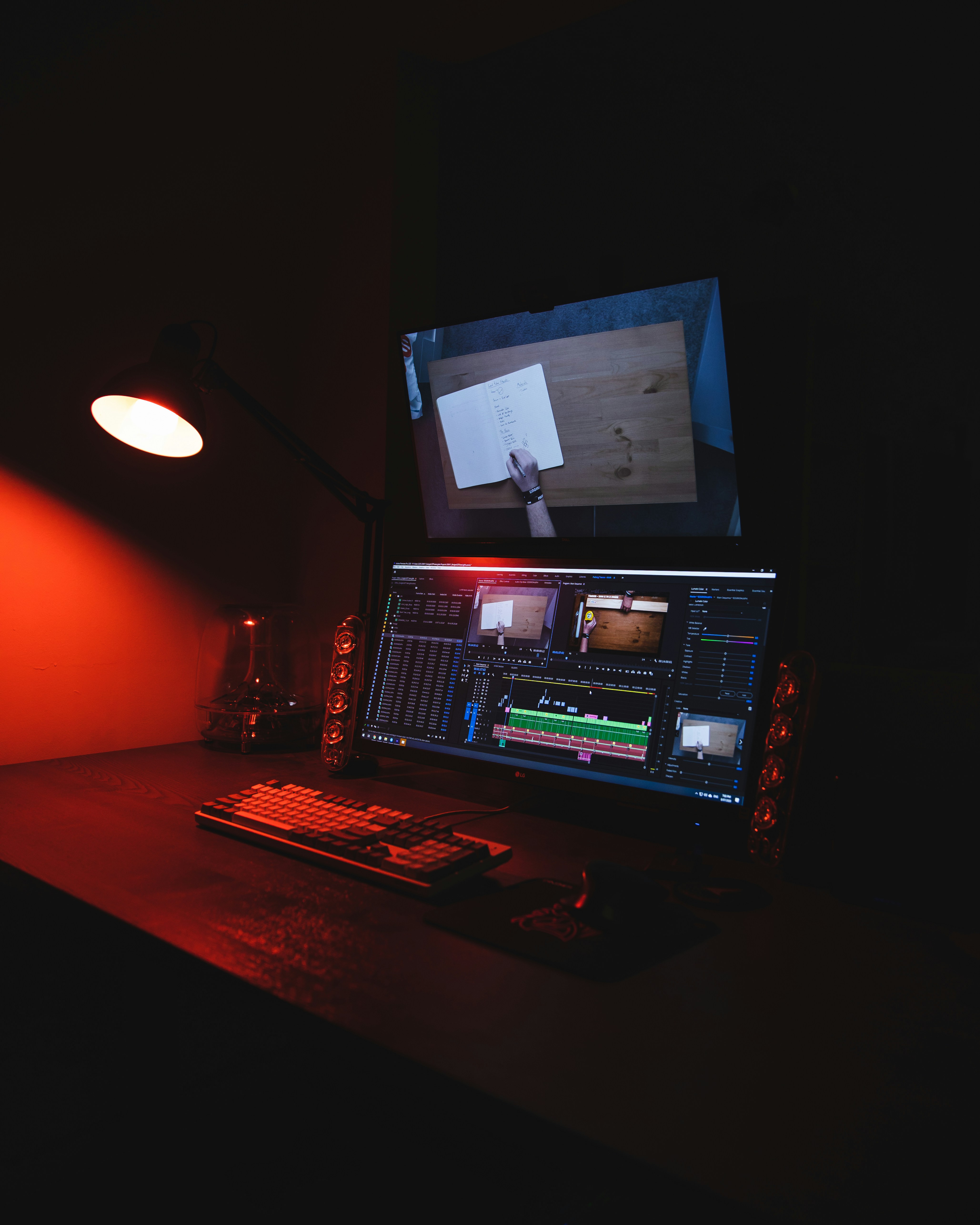
This model applies directly to AI filmmakers. A creator who builds an audience through AI generated shorts demonstrates market validation. If they can generate 10 million views on YouTube with AI tools, Lionsgate can reasonably project their ability to attract audiences for a feature length production with studio backing.
The key difference from traditional talent scouting is that the validation happens before the studio invests. Traditional development involves optioning scripts, hiring directors, and committing budgets based on potential. Creator driven projects come with proven audience traction.
The Spike Jonze and Sofia Coppola Comparison
Understanding why Haugen chose these specific directors matters. Both represent a particular type of auteur: visually distinctive, narratively unconventional, commercially viable enough for studio backing but independent enough to maintain creative vision.
Spike Jonze directed music videos for Sonic Youth, Beastie Boys, and Björk before moving into features with "Being John Malkovich." His visual style, developed through music video work and skateboarding culture documentation, translated into feature filmmaking while maintaining distinctiveness.
Sofia Coppola came from inside the industry but built her directorial voice through independent productions like "The Virgin Suicides" before gaining recognition with "Lost in Translation." Her aesthetic sensibility and narrative approach differ significantly from traditional Hollywood storytelling.
Both directors demonstrated that non traditional backgrounds could produce commercially successful, critically acclaimed work. Neither followed conventional film school to studio development pipelines. Both brought external perspectives that made their work distinctive.
AI native creators fit this pattern. They develop visual sensibilities through platform work rather than film school. They understand narrative pacing through audience retention metrics rather than three act structure theory. Their work looks and feels different from traditional studio productions because it emerges from different creative ecosystems.
Lionsgate's comparison suggests the studio values this distinctiveness rather than viewing it as a liability. The goal isn't molding creators to fit studio templates but leveraging their unique perspectives to produce differentiated content.
What This Means for Traditional Film Education
Lionsgate's position creates pressure on traditional film education models. If major studios actively recruit creators who bypassed film school entirely, what value does formal education provide?
The practical answer is that different paths serve different creators. Film school provides technical foundation, creative community, and structured feedback that platform native development doesn't offer. But it also requires significant time and financial investment that AI tools now make optional for certain career trajectories.

A creator who wants to make AI generated shorts for YouTube can start immediately with AI video generation tools and begin building an audience. If that audience grows and the work demonstrates quality, studios like Lionsgate now signal they'll pay attention.
Film school remains valuable for creators who want traditional crew based production experience, comprehensive technical training, and institutional networking. But it's no longer the only viable path to professional filmmaking careers.
This shift parallels changes in other creative industries. Many successful graphic designers never attended art school. Numerous professional musicians developed skills through YouTube tutorials rather than conservatory training. Photography, writing, and software development all experienced similar democratization.
Filmmaking resisted this pattern longer due to equipment costs and technical complexity. AI tools finally lower those barriers enough that talent and audience building can replace institutional credentials for certain career paths.
YouTube's Perspective on Quality
Amjad Hanif, Vice President at YouTube, participated in related CES panels addressing AI's role in content creation. His statement provides important context for Lionsgate's position: "We're in early days with AI. I think it's about high creativity and so the director, the artist, the actor is going to drive the high quality."
YouTube's platform hosts both traditional filmmakers and AI native creators. The company's perspective on quality emphasizes creative vision over production methodology. Whether content is shot with cameras or generated with AI matters less than whether it engages audiences and demonstrates creative merit.
This aligns with Lionsgate's recruitment strategy. The studio isn't specifically seeking AI generated content. It's seeking talented filmmakers who happen to use AI tools. The technology is the means, not the end. Creative vision and audience connection remain the evaluation criteria.
YouTube's algorithm treats content agnostically regarding production method. A well crafted AI generated short competes equally with traditionally filmed content for viewer attention and recommendation priority. This creates conditions where AI native creators can build audiences at scale, making them visible to studios like Lionsgate.
The Broader Industry Context
Lionsgate's statements exist within broader industry developments at CES 2026. Netflix, Disney, Warner Bros. Discovery, and other major players all participated in programming exploring creator economy integration and AI adoption.
The conference featured panels on AI's cinematic capabilities, advertising impact, and role in the creator landscape. Actor Joseph Gordon Levitt, who founded the Creators Coalition on AI to address creator concerns about the technology, represented the cautious perspective balancing Haugen's optimism.
This range of viewpoints reflects industry uncertainty about AI's ultimate impact. Some see democratization and opportunity. Others worry about displacement and quality degradation. Most acknowledge the technology will significantly reshape production workflows regardless of individual opinions.
Lionsgate's positioning toward the optimistic end of this spectrum reflects its business model. As a studio that historically succeeded through genre content, franchise development, and cost efficient production, embracing AI native creators aligns with operational strategy. These filmmakers can produce content faster and cheaper than traditional development while potentially bringing built in audiences.
What AI Native Creators Need to Understand
For creators hoping to attract studio attention following Lionsgate's statements, several requirements remain constant despite the changing talent pipeline.
Audience validation matters. Studios want evidence that your work connects with viewers. YouTube views, social media engagement, and community building demonstrate market appeal that traditional short film festival selections used to provide.
Production consistency proves career viability. One viral hit doesn't establish long term potential. Studios look for creators who can consistently produce quality work, iterate based on feedback, and maintain audience engagement over time.
Narrative capability outweighs technical proficiency. Studios can provide technical resources. They can't teach narrative instinct or character development. Your work needs to demonstrate you understand story structure, pacing, and emotional resonance.
Professional readiness involves more than creative talent. Moving from YouTube to studio production involves collaboration, deadlines, budget management, and creative compromise. Your platform work should show you can handle feedback, work within constraints, and deliver projects on schedule.
Genre understanding matters for studio fit. Lionsgate specializes in specific content types: horror, thriller, action, and young adult franchises. AI native creators working in these genres align better with studio needs than those focused on experimental or art house content.
The Spike Jonze and Sofia Coppola comparison sets a high bar. Both directors produced distinctive, critically acclaimed work that also performed commercially. Studios want both qualities. Pure artistic vision without audience appeal doesn't fit the model. Neither does commercial pandering without creative distinctiveness.
The Distribution Strategy Question
Haugen's comments about evaluating theatrical versus streaming distribution reveal strategic complexity in the creator economy era. Traditional distribution windows relied on theatrical exclusivity followed by home video and then streaming. That model has collapsed.
Creators who build audiences on YouTube often premiere work on the same platform where their fans congregate. Asking those audiences to go to theaters or subscribe to different streaming services creates friction. The path of least resistance is distributing where the audience already exists.
This creates interesting negotiations. Does Lionsgate demand theatrical windows for creator driven projects? Or does the studio embrace platform distribution while handling production financing and professional development? The answer likely varies by project scale and creator audience size.
Some creator driven features might warrant theatrical release to establish prestige and expand beyond existing fan bases. Others perform better as streaming exclusives that leverage creator communities for launch momentum. Lionsgate's willingness to consider both approaches suggests flexible strategy rather than rigid distribution requirements.
What This Means for AI FILMS Studio Users
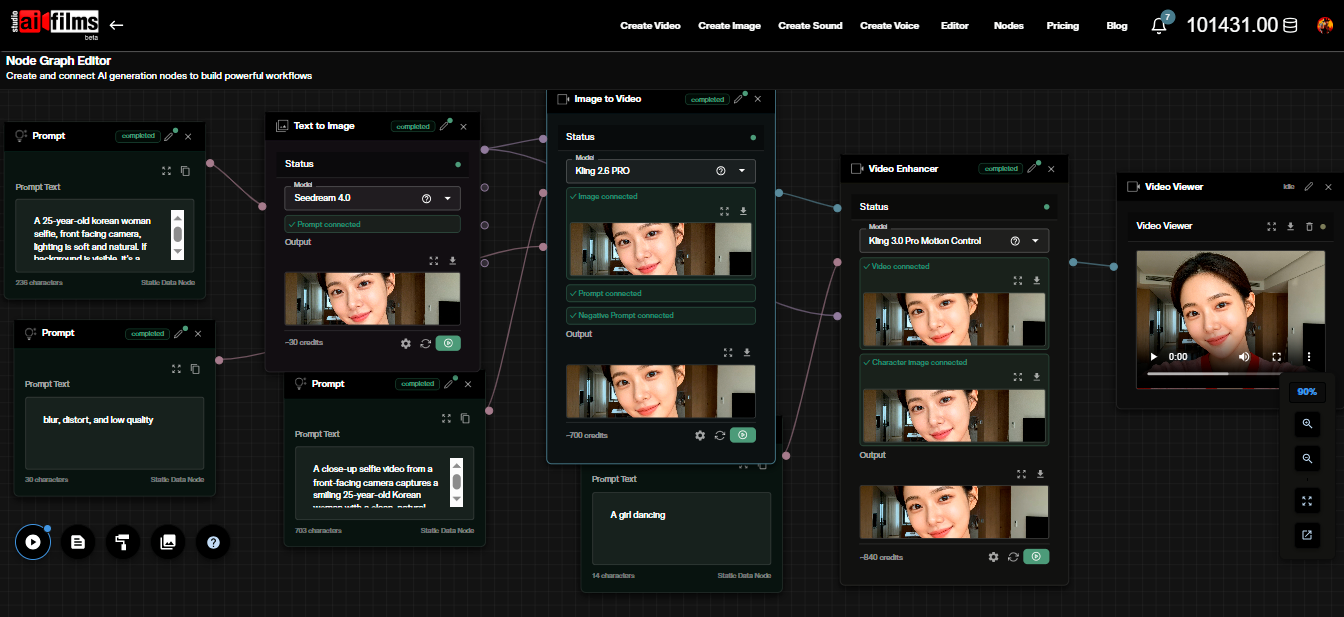
Lionsgate's active recruitment of AI creators validates what platforms like AI FILMS Studio have been building: professional AI filmmaking infrastructure that enables creators to produce studio quality work.
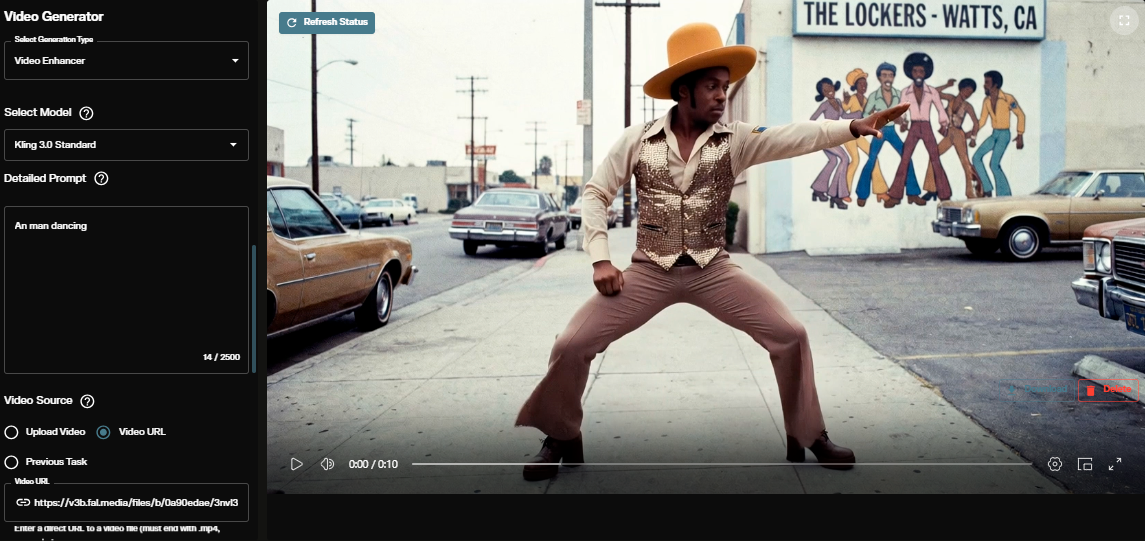
The key insight from Haugen's statements is that studios now care about the creative vision and audience connection, not the production methodology. Whether you generate scenes with Veo 3, Sora, Kling AI, or Luma DreamMachine matters less than whether the final work demonstrates storytelling craft and audience appeal.
This removes the stigma that previously attached to AI generated content. When a major studio executive compares AI creators to Spike Jonze and Sofia Coppola, the technology stops being experimental and becomes simply another production tool.
For creators using AI FILMS Studio, the implication is clear: focus on building audiences, developing distinctive creative voices, and producing consistent quality work. The tools enable production. Your creative vision and audience connection determine whether studios pay attention.
The Timeline for Change
How quickly does Lionsgate's position translate into actual creator hiring? The studio's statements suggest active recruitment rather than future consideration. This means creators with strong platforms and quality portfolios could see opportunities in 2026.
Traditional development timelines in Hollywood move slowly. Optioning material, attaching talent, securing financing, and moving into production often takes years. Creator driven projects might accelerate this timeline since the creator comes with proven audience and demonstrated capability.
The first wave of studio projects from AI native creators will likely emerge in 2026-2027. These initial projects will test whether platform audiences translate to theatrical or streaming success. If they perform well, the pipeline expands. If they underperform, studios may recalibrate their approach.
Lionsgate's positioning as an early adopter of creator recruitment means the studio will likely produce some of these first test cases. Their experience will influence how competitors approach the space. Success validates the model. Failure makes other studios more cautious.
Brad Haugen's statements at CES 2026 mark a significant shift in how major studios view AI native creators. By comparing them to Spike Jonze and Sofia Coppola, Lionsgate signals that internet native filmmakers represent legitimate creative voices rather than supplementary content producers.
This perspective creates opportunities for creators who built audiences through platform native work and AI generated content. The path from YouTube to studio features now exists explicitly rather than as rare exception. Audience validation and creative distinctiveness matter more than traditional credentials or production methodology.
For the broader industry, Lionsgate's position accelerates AI adoption by providing clear economic incentives. Studios actively recruiting AI creators legitimizes the technology and expands the pool of viable filmmaking talent. Geographic barriers, equipment costs, and institutional gatekeeping become less relevant to career viability.
The comparison to Jonze and Coppola sets expectations. Studios want distinctive creative voices that combine artistic merit with commercial appeal. Technical proficiency with AI tools is necessary but not sufficient. The same creative standards apply regardless of production method.
What matters now is what creators do with these tools and how they build audiences around their work. Lionsgate has announced it's watching. The opportunity exists for creators willing to develop craft, build communities, and produce work that demonstrates both artistic vision and market appeal.
Continue Reading
.jpg?w=3840)


Video & LipSync
- Video Generator
- Text to Video
- Image to Video
- Start-End Frame to Video
- Draw to Video
- Motion Control
- Video Enhancer
- Video Upscaler
- Video Extend
- Video to Video LipSync
- Audio to Video LipSync
- Image to Video LipSync
- Video FaceSwap
- Seedance 2.5
- WAN 3.0
- Seedance 2
- FLUX 3
- Minimax H3
- Vidu Q3 Pro
- Grok Imagine Video 1.5
- Gemini Omni
- Google Veo 3.1
- Kling 3.0 Pro
- Luma Ray 3.2
- LTX 2.3
- Happy Horse 1.1
- Kling 3.0 Motion
- ByteDance Upscaler
- InfiniteTalk
- InsightFace
Image & Edit
- AI Character
- AI Actor
- Art Generator
- Text to Image
- Image to Image
- LoRA Image to Image
- Draw to Edit
- Image LoRA Training
- Remove Background
- Image Enhancer
- MidJourney 8.0
- Krea 2
- OpenAI GPT Image 2.0
- Nano Banana Pro Ultra
- Nano Banana 2 Lite
- Nano Banana Pro
- Minimax Image
- Clarity Pro
- Z-Image Turbo LoRA
- Krea 2 Turbo LoRA
- Z-Image LoRA Trainer
- Qwen Image LoRA Trainer
- Background Erase Network 2 (BEN2)