
2026: The Year AI Filmmaking Goes Mainstream

Photo by Jakob Owens</a> on Unsplash
Share this post:
2026: The Year AI Filmmaking Goes Mainstream
Everyone in Hollywood is standing around the pool in their bathing suits. Early in 2026, someone's going to jump in.
That's how Jason Zada, CEO of AI studio Secret Level, describes the current moment in entertainment. His company is launching an AI powered production platform in 2026, betting on "a resurgence in indie films and stories that previously couldn't be told." Disney just invested $1 billion in OpenAI, licensing 200 characters for Sora. The Visual Effects Society published AI chapters in their official handbook. And Gartner analyst Chris Ross told TheWrap that "2025 is really an onramp to what we're going to see in 2026."
The convergence is unmistakable: 2026 marks the inflection point where AI moves from experimental to mainstream in film production. Not because the technology suddenly works, it already does. But because the industry is finally ready to acknowledge what's been happening quietly on sets, in editing suites, and in pre-production meetings for the past two years.
This isn't hype. It's coordinated momentum across studios, technology platforms, indie filmmakers, and industry institutions converging on a single timeline. Here's why 2026 represents the breakthrough year, what's driving the transformation, and how filmmakers at every level can position themselves for the shift.
The Current Reality: AI Already Works, Hollywood Just Won't Say It
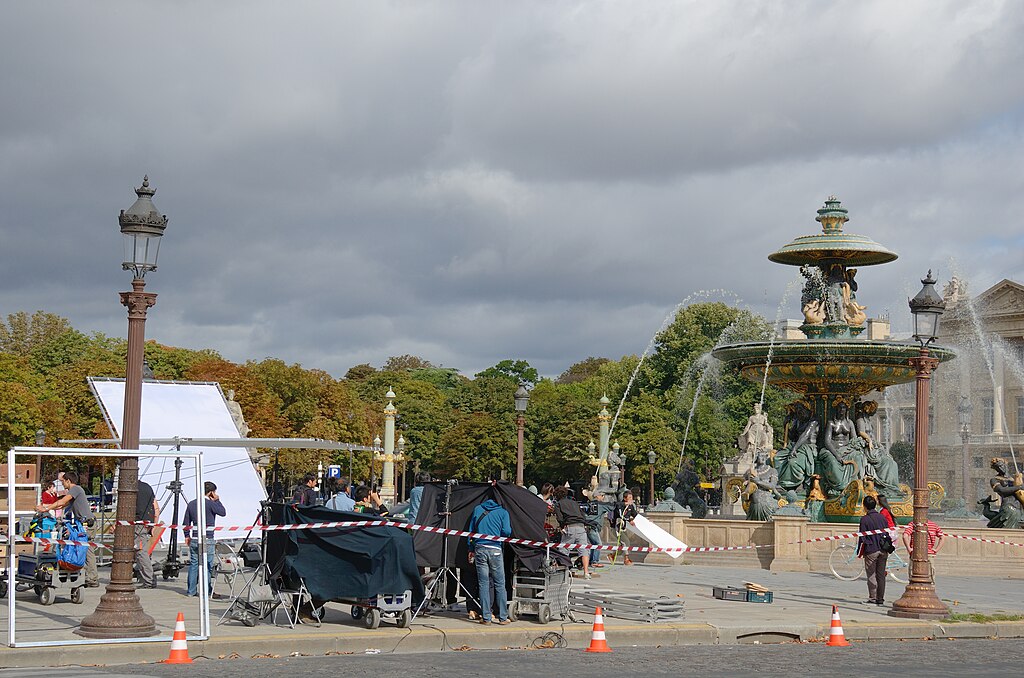
The dirty secret of 2025 is that every major studio has been using AI extensively while staying publicly quiet about it. Warner Bros. runs an AI Production Lab. Disney operates an AI Innovation Group. Universal, Paramount, and Sony all maintain dedicated AI research divisions testing integration across workflows.
But public discussion remains limited. Union sensitivities run high after the 2023 writers and actors strikes, where AI concerns dominated negotiations. Talent remains skeptical, with directors like Guillermo del Toro saying he'd "rather die" than use the technology, and Rian Johnson claiming AI is "making everything worse in every single way."
The gap between private implementation and public messaging creates tension. Studios simultaneously tout AI's potential to investors while avoiding detailed discussions with talent. This contradiction can't sustain itself indefinitely.
"I can't imagine Hollywood can continue to go in the direction it's going," Zada said. The unsustainable middle ground, using AI extensively while pretending not to. Collapses in 2026 as major implementations become too visible to ignore.
Why 2026, Specifically?
Multiple converging timelines create the 2026 inflection point:
Contract Negotiations: Writers' and actors' contracts expire in 2026, forcing explicit AI guidelines into union agreements. The previous strikes established baseline protections. The 2026 negotiations will define permissible uses, compensation frameworks, and creative control boundaries.
Technology Maturation: Current AI video tools generate 10 second clips with limited consistency. Systems launching in 2026 will support longer sequences with persistent characters, props, and environments across shots. This technical threshold enables practical production use rather than just effects work.
Platform Launches: Multiple production platforms with AI integration launch in early 2026, including Secret Level's system targeting indie filmmakers. These platforms provide turnkey solutions rather than requiring custom technical integration.
Legal Framework Development: The lawsuits between studios and AI companies (Disney vs. Midjourney, Warner Bros. vs. various AI platforms) will likely resolve through settlements or early rulings in 2026, establishing precedents for training data usage and copyright protection.
Economic Pressure: With production costs rising and streaming profitability under pressure, studios face increasing pressure to demonstrate efficiency gains. AI provides measurable cost savings in pre-production, visual effects, and post-production timelines, benefits that become impossible to ignore when competitors adopt them.
Ross from Gartner emphasized this acceleration: "The intensity of it will start to pick up. That tension will increase as well because the technology has gotten better."
Disney's $1 Billion Signal: The Pool Jump Begins
Disney's December 2024 announcement of a $1 billion investment in OpenAI, including licensing 200 characters for Sora, represents the first major studio publicly committing to AI video generation at scale. This wasn't a research partnership or pilot program, it was a strategic bet sized to move markets.
The deal covers characters from Pixar, Star Wars, and Marvel properties, enabling OpenAI to train Sora on these specific visual styles and character designs. In exchange, Disney gains priority access to Sora's capabilities and input into development roadmaps.
This move accomplishes several strategic goals:
Public Permission: Disney's participation legitimizes AI filmmaking tools for other studios and creators. If Disney, historically protective of its IP and brand, embraces AI generation, other organizations can follow without appearing reckless.
Competitive Positioning: First mover advantage in AI relationships could provide Disney with capabilities competitors lack. Exclusive features, priority access, or custom integrations create differentiation in a crowded streaming market.
Union Negotiation Leverage: By establishing AI integration before 2026 contract talks, Disney sets expectations for industry wide adoption. Unions must negotiate from the reality of existing implementations rather than theoretical futures.
IP Control: Working directly with OpenAI allows Disney to define how its characters appear in AI generated content, maintaining quality control and brand consistency rather than fighting unauthorized usage.
However, the deal also revealed tensions. Disney simultaneously sued Google's Gemini for unauthorized training on Disney content. The message: we'll partner with AI companies on our terms, but unauthorized usage will face legal consequences.
This dual approach, collaboration with approved partners, litigation against others. Likely becomes the template for other studios in 2026.
The VES Handbook: AI Reaches Textbook Status
The Visual Effects Society's December 18, 2024 release of the fourth edition of their Handbook of Visual Effects included dedicated chapters on AI applications in VFX. An institutional acknowledgment that AI integration has progressed from experimental to standard practice.
The VES represents professional visual effects practitioners across film, television, and streaming. Their handbook serves as the industry standard reference for VFX workflows, terminology, and techniques. Including AI chapters signals that these tools now belong in every VFX professional's toolkit alongside traditional techniques.
Topics covered in the new AI sections include:
- AI-assisted rotoscoping and masking
- Neural rendering for environment generation
- Machine learning-based object removal and cleanup
- AI-powered motion tracking and stabilization
- Synthetic data generation for training and testing
- Integration workflows between AI tools and traditional VFX software
This institutional endorsement matters because it normalizes AI usage among working professionals. When the industry's professional society includes AI in its official handbook, resistance based on novelty becomes harder to sustain.
The timing also proves strategic: publishing in December 2024 ensures the handbook influences 2025 production planning, setting expectations for 2026 workflows. VFX teams planning projects for 2026 release will reference these AI chapters as standard procedure.
Three Predictions That Define the 2026 Landscape
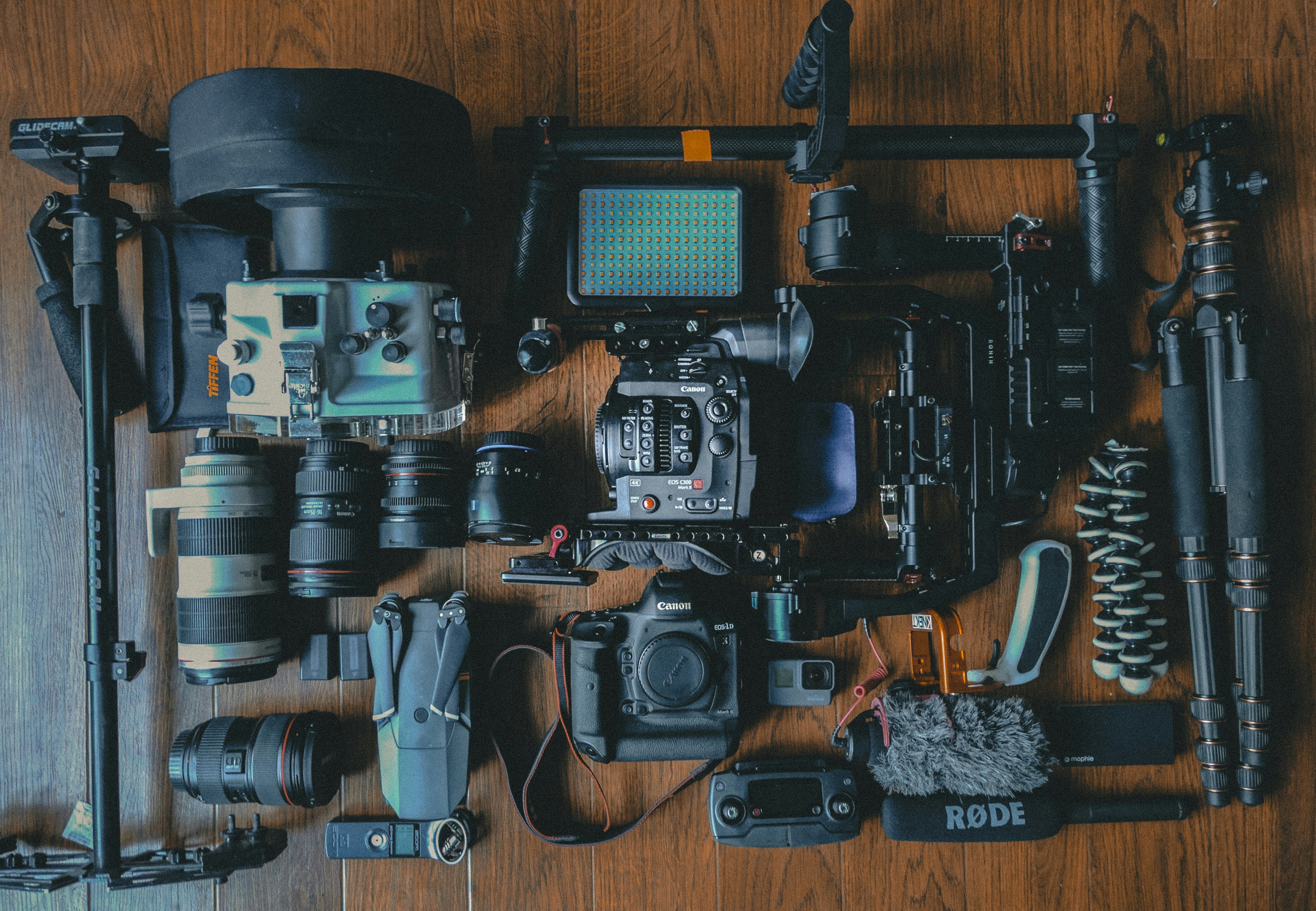
Fuzzy Door Tech, the technology division of Seth MacFarlane's production company, published detailed 2026 predictions based on their experience implementing AI across production workflows. Three predictions stand out as particularly significant:
Prediction 1: AI Tools Shift from Chance to Creative Control
Current AI video generation operates largely through probabilistic outputs. You write a prompt, the system generates options, and you select the best result. This trial and error approach works for single shots but breaks down for sequences requiring continuity.
2026 tools will move beyond 10 second clip limits to support longer, consistent sequences where the same characters, props, and environments persist across shots. More importantly, filmmakers will gain precise control over lighting adjustments, camera moves, and shot variation rather than relying on prompt gymnastics.
Think of this transition like the shift from early Instagram filters (apply and hope) to professional color grading tools (precise control over every parameter). AI filmmaking moves from "generate and select" to "create and refine."
This control enables practical production use. Directors can iterate on specific elements, adjust the lighting in this shot, change the camera angle here, extend this performance. Rather than regenerating entire scenes hoping for improvements.
Prediction 2: AI Ethics and Legal Guardrails Emerge
2026 will bring clearer ethical guidelines, legal frameworks, and business models for responsible AI usage. This includes defining permissible uses of likeness, attribution requirements for AI-generated assets, and policies protecting content creators.
Expect formal industry standards around:
Likeness Rights: What constitutes authorized vs. unauthorized use of an actor's digital likeness? How long do agreements last? What compensation models apply?
Attribution Requirements: When must AI generated content be disclosed? How should credits reflect AI assistance vs. human creation?
Training Data Transparency: What training data was used? Were rights obtained? How can creators opt out of future training?
Quality Thresholds: What standards must AI generated content meet for professional use? Who certifies compliance?
These frameworks won't eliminate all concerns, but they'll provide structure for implementation. Film schools, unions, and industry organizations will adopt these guidelines, creating standardized approaches rather than ad-hoc individual decisions.
Prediction 3: Indie Filmmakers Lead AI Experimentation
While major studios experiment cautiously due to union sensitivities and public perception concerns, independent filmmakers will push boundaries with AI driven production to create "final pixel ready" content.
Indie teams face different constraints than studios. They lack budgets for extensive crews, location shoots, and post-production timelines. AI tools that compress these workflows from months to weeks enable production models that were previously impossible.
Zada's prediction of "a resurgence in indie films and stories that previously couldn't be told" reflects this democratization. A filmmaker with a strong vision but limited budget can now produce work that looks comparable to much more expensive projects—if they master AI workflows.
This indie innovation then influences major studio adoption, similar to how digital cinematography moved from indie experiments (28 Days Later, Collateral) to mainstream acceptance (The Avengers, The Mandalorian). Indie filmmakers prove viability, studios scale implementation.
What Changes Technically in 2026
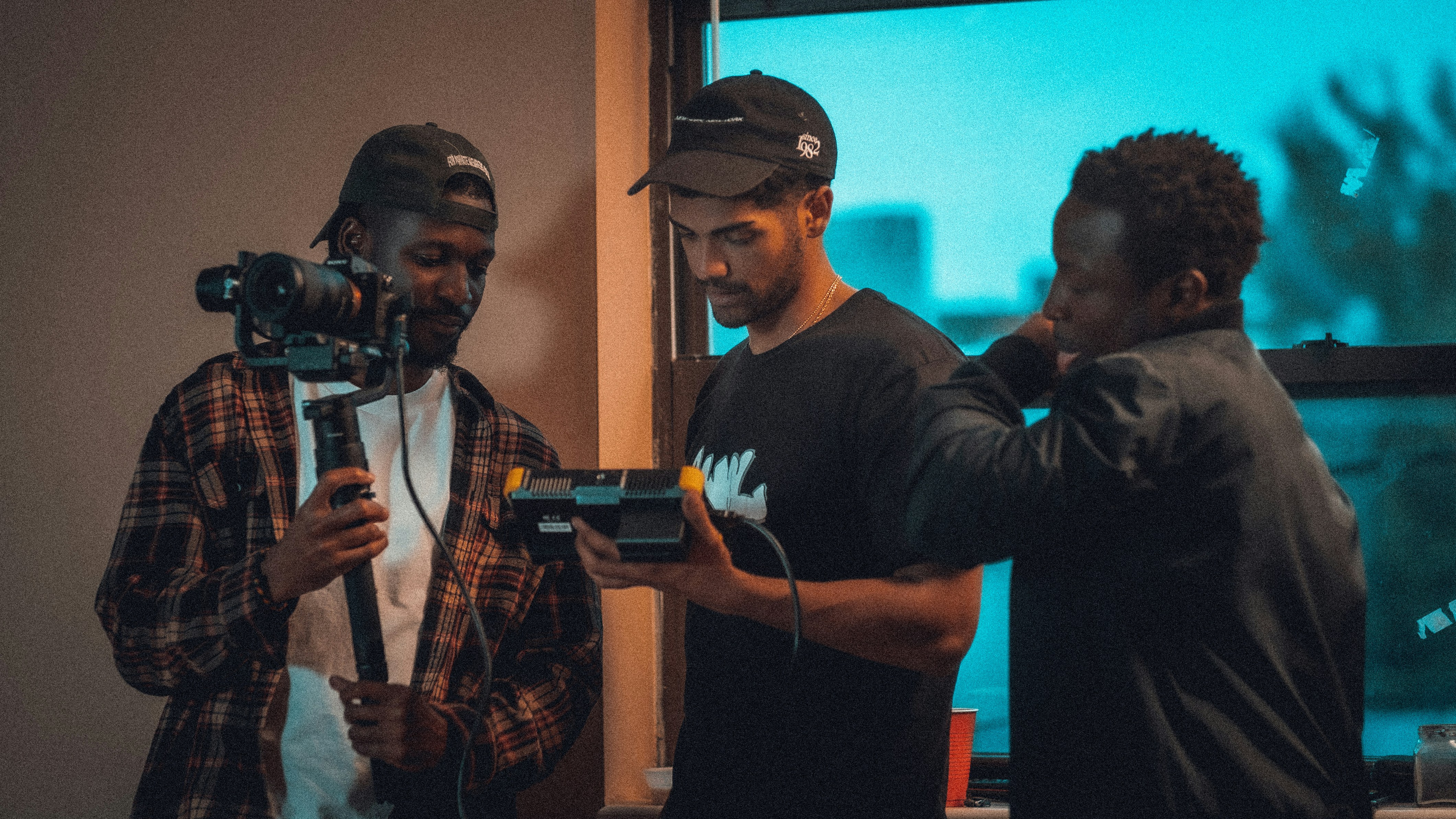
Current AI video generation faces specific technical limitations that 2026 systems address:
Sequence Length: Moving from 10 second clips to multi minute sequences enables actual scene construction rather than just isolated shots. Directors can maintain continuity across an entire dialogue exchange or action sequence.
Character Consistency: Keeping the same actor's appearance, clothing, and performance style consistent across shots. Current systems struggle with this; 2026 improvements make it reliable enough for narrative work.
Environmental Persistence: Maintaining the same location, lighting, and spatial relationships across multiple camera angles and shots. This consistency enables coverage style shooting where you can cut between different views of the same space.
Temporal Coherence: Ensuring motion, physics, and causality remain consistent. Objects maintain momentum, light sources cast consistent shadows, and actions have appropriate consequences.
Controllable Camera Work: Precise specification of camera movements (dolly, pan, tilt, crane), lens characteristics (focal length, depth of field), and framing choices rather than relying on prompt interpretation.
Edit in Place Capability: Modifying specific portions of generated scenes while maintaining surrounding context. Change the actor's expression here, adjust lighting there, extend this performance, without regenerating the entire shot.
These improvements move AI from a special effects tool to a production tool. The difference matters: special effects enhance traditionally shot content, while production tools enable creation methods that wouldn't otherwise be feasible.
The Indie Filmmaker Opportunity: Stories That Couldn't Be Told
Secret Level's bet on indie filmmaking resurgence reflects a fundamental economic shift. When production costs drop dramatically through AI assistance, different types of stories become viable.
Niche Audiences: A film targeting 100,000 passionate viewers couldn't justify traditional production costs. With AI compressed workflows, that audience becomes sufficient for profitability.
Experimental Narratives: Complex non linear structures, multiple timeline variations, or interactive elements that would be prohibitively expensive with traditional production become feasible.
Period Pieces and SciFi: Genres requiring extensive set construction, costumes, or visual effects become accessible to smaller budgets. An indie filmmaker can create a 1920s period piece or far future science fiction without location shoots or practical effects budgets.
Micro Budget Features: Films produced for $50,000/$100,000 that previously would look cheap can now achieve visual quality competitive with million dollar productions. If the story and performances hold up.
Solo Creator Projects: Individual filmmakers with strong visions can execute projects that previously required teams. The "one person film" becomes technically viable in ways it never was with traditional production.
This democratization doesn't guarantee quality, technology alone doesn't create great films. But it removes budget as the limiting factor for certain types of stories, enabling creators to compete on vision and execution rather than funding.
Gabe Michael, an award winning AI filmmaker, noted: "By mid 2026, quality differences narrow. Capabilities converge. Your edge is not 'which model' but how you use all of them. Your workflow becomes the defensible asset."
Major Studio Strategy: Efficiency Without Acknowledgment
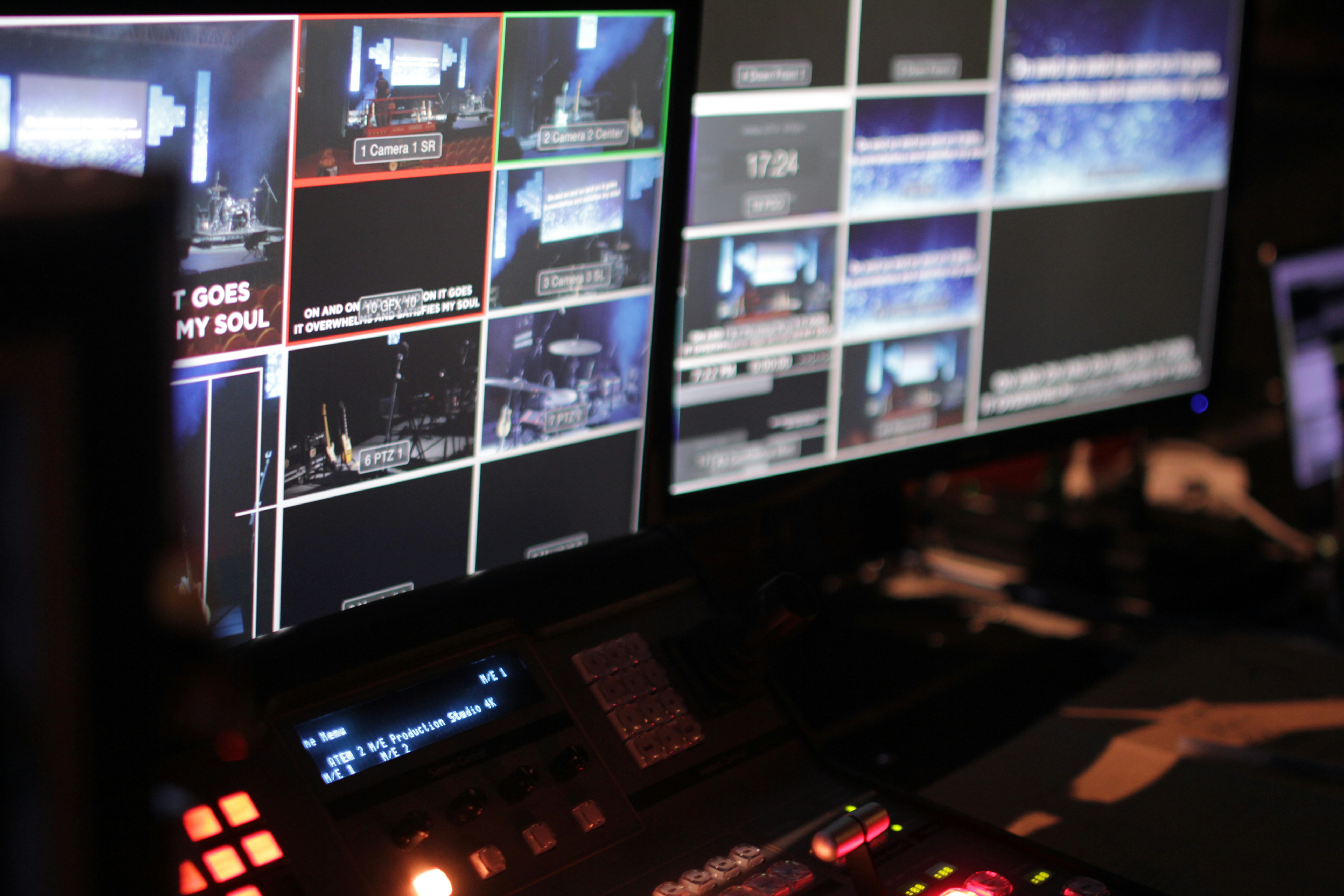
While Disney's OpenAI deal represents public commitment, most studios pursue quieter integration focused on three areas where AI provides clear value without threatening core creative talent:
Pre Production Acceleration
Script Breakdown: AI systems analyze scripts to identify props, costumes, locations, and scheduling requirements. What once took days now completes in hours, allowing faster iteration on production plans.
Budget Simulation: AI analyzes proposed approaches and predicts costs based on thousands of previous productions. It suggests cost saving alternatives: "Shooting this scene at night adds $15,000. Day-for-night with color grading saves $12,000 with minimal visual difference."
Location Scouting: AI generates environment options from text descriptions, allowing directors and cinematographers to explore possibilities before physical location scouts. Teams can iterate on visual concepts faster, making better decisions about which real locations to pursue.
Previz and Planning: Virtual production systems combine realtime rendering with AI generation to visualize scenes before shooting. Directors can block scenes, test camera movements, and refine staging before crews arrive on set.
The pre-production benefits aren't just speed, they're iteration. With AI, you can try ten different approaches in the time traditional methods allow for one. This leads to better creative decisions, not just faster ones.
Post Production Time Compression
Automated Rotoscoping: AI handles tedious masking work that previously required frame by frame human effort. Complex rotoscoping that took weeks now completes in days, freeing artists for creative work.
Object Removal and Cleanup: Removing boom microphones, crew reflections, or unwanted background elements happens automatically rather than requiring manual paint out work.
Shot Matching: AI ensures color, lighting, and mood remain consistent across shots filmed at different times or locations. This consistency previously required meticulous manual grading.
Dialogue Cleanup: Audio processing removes background noise, room tone inconsistencies, and microphone artifacts while preserving performance nuances.
VFX Iteration: Realtime feedback on visual effects allows directors to refine shots during post rather than waiting for overnight renders. This compressed feedback loop accelerates the refinement process.
The post-production acceleration cuts months off delivery schedules, saving millions in overhead costs and allowing faster time to market for theatrical releases and streaming premieres.
Workflow Efficiency
Non Destructive Iteration: AI systems allow exploring variations without committing to expensive locked in decisions. Directors can try different approaches late in the process without rebuild costs.
Parallel Processing: Multiple versions of scenes can be generated simultaneously, allowing editorial teams to cut with options rather than waiting for sequential approvals.
Automatic Documentation: AI systems log decisions, track assets, and maintain detailed production records automatically. This documentation aids archival, remastering, and rights management.
Studios focus on these efficiency gains because they deliver measurable ROI without replacing creative talent. A tool that makes an editor twice as fast doesn't threaten their job. It makes them more valuable to the production.
The Tension: Creative Resistance vs. Economic Reality
Not everyone welcomes this transformation. Director Bong Joon-ho jokingly threatened to "organize a military squad to destroy" AI technology. Actress Jenna Ortega and filmmaker Celine Song spoke out against AI usage at a recent film festival. The Directors Guild, Writers Guild, and SAG-AFTRA all maintain that AI should augment roles, not replace them.
This resistance reflects legitimate concerns:
Job Displacement: Even if AI doesn't replace entire roles, it changes staffing requirements. A VFX team that needed 50 artists might now need 30. Those 20 positions represent real livelihoods.
Devaluation of Craft: Decades of accumulated expertise in practical effects, cinematography, and editing could become less relevant when AI provides shortcuts. The craft skills that defined careers lose market value.
Creative Homogenization: If everyone uses the same AI tools trained on the same data, will visual styles converge toward algorithmic averages? Does AI generation favor generic competence over distinctive vision?
Copyright and Attribution: When AI generates content based on training data from thousands of sources, who owns the result? How do you credit creative work that involved AI assistance?
Authenticity Questions: Does an AI generated performance carry the same emotional weight as a human actor's work? Can AI understand subtext, nuance, and the ineffable qualities that make performances memorable?
These concerns deserve serious consideration. The industry must address them through thoughtful policies, contract protections, and ethical frameworks rather than dismissing them as resistance to progress.
However, economic reality creates pressure. Studios facing profitability challenges can't ignore tools that cut production costs 20/30% while maintaining quality. Competitors who adopt AI efficiency gain advantages in bidding, turnaround time, and margin.
The 2026 union negotiations will attempt to balance these tensions: protecting workers while acknowledging that AI integration has become industry standard. The resulting agreements will likely include:
- Minimum staffing requirements for AI assisted productions
- Mandatory disclosure when AI generates significant content
- Consent requirements for likeness usage
- Compensation frameworks for AI training on creative work
- Quality standards ensuring AI doesn't replace human judgment in final creative decisions
Real World Implementations: What Studios Actually Use
While public discussions focus on theoretical AI capabilities, practical implementations reveal where the technology delivers immediate value:
Sony/Crunchyroll: Testing AI dubbing for anime episodes, automating the translation and voice matching process that traditionally required extensive human work. Results preserve emotional tone while dramatically compressing timeline from weeks to days.
Fox: Using AI to repackage sports clips into vertical shorts, capturing viral moments faster. Traditional editing required manual selection, cutting, and formatting; AI handles this automatically, allowing near realtime social media distribution.
Universal: VP of Creative Technologies Annie Chang reported AI assists with script breakdown and shooting schedule organization. The system identifies all costume changes, prop requirements, and location needs, then suggests optimal shooting sequences that minimize company moves and setup time.
Warner Bros.: The AI Production Lab focuses on virtual production integration, combining realtime rendering with AI generation to create backgrounds and extensions for LED volume shooting.
These implementations share common characteristics: they enhance existing workflows rather than replacing them entirely, they address specific pain points where traditional methods are slow or expensive, and they focus on technical execution rather than creative decision making.
The pattern suggests how AI integration will proceed: targeted applications that solve clear problems, gradual expansion as teams gain confidence, and eventual integration into standard workflow rather than separate "AI projects."
McKinsey's 2026 Analysis: Four Possible Scenarios
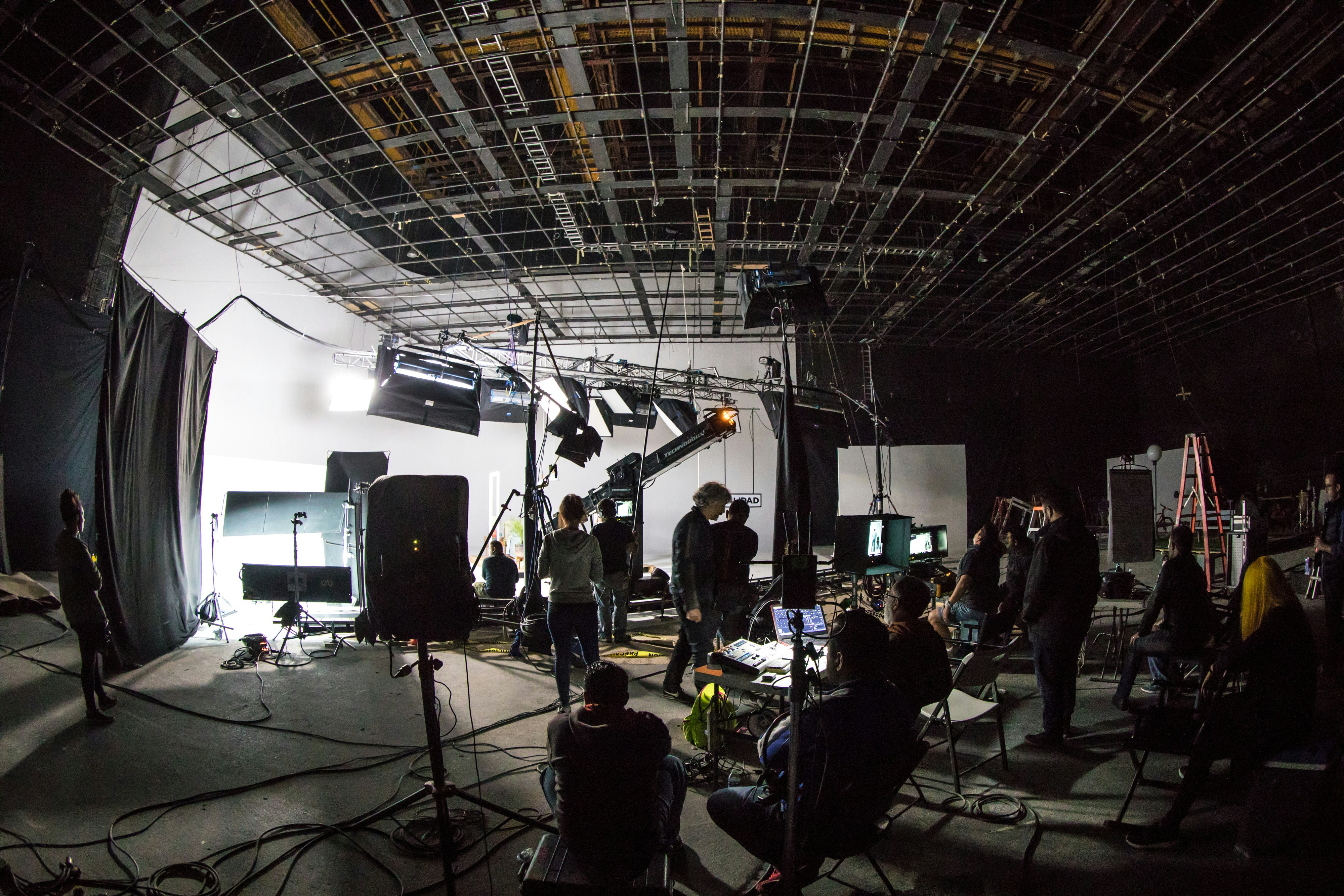
McKinsey plans to release a comprehensive analysis in early 2026 (ahead of Sundance Film Festival) exploring how generative AI could reshape the $181 billion global content creation value chain. Based on dozens of interviews with executives, creative talent, technologists, and academics, they've identified four plausible scenarios:
Scenario 1: Incremental Productivity Gains
AI provides 10/20% efficiency improvements across current workflows without fundamentally changing production processes. Studios use AI for time consuming tasks (rotoscoping, script breakdown, shot matching) while maintaining traditional creative structures. This represents the safest, most conservative outcome. AI as helper tool rather than transformation.
Scenario 2: New Production Processes
Entirely new workflows enabled by AI capabilities. Virtual production merges with realtime generation, allowing directors to shoot in AI generated environments that can be modified during filming. Pre-production compresses from months to weeks through rapid iteration. Indie filmmakers produce feature quality content at micro budgets.
Scenario 3: Industry Restructure
Value pools redistribute across production and distribution. VFX houses that specialize in labor intensive work face margin pressure. New companies focused on AI enhanced production gain market share. Independent creators compete directly with studios for audience attention. Creative boundaries are redrawn around "human vision + AI execution" rather than traditional role definitions.
Scenario 4: Fundamental Reset
The entire video production landscape changes as AI generation becomes ubiquitous. User generated content achieves professional visual quality. The distinction between "professional" and "amateur" production blurs. Distribution platforms prioritize algorithmic curation over production budgets. Economic models shift from production costs to audience aggregation.
McKinsey's analysis will assess economic implications across each scenario for studios, creators, and platforms. Crucially, it will examine trust, authorship, and ethics. The human dimensions that technology alone can't address.
Early indications from their research suggest Scenario 2 (new production processes) as most likely for 2026/2028, with Scenario 3 (industry restructure) becoming viable by 2030 as AI capabilities mature and adoption reaches critical mass.
Platform Ecosystem Development: The Infrastructure Layer
Beyond individual tool improvements, 2026 brings comprehensive platform development that simplifies AI integration into existing workflows:
Secret Level's Production Platform: Launching early 2026, this system targets indie filmmakers with end to end AI powered production. Christina Lee Storm, former Netflix and DreamWorks executive, was hired to lead the narrative studio division. The platform promises to handle pre-visualization, asset generation, scene composition, and basic post-production in a unified interface.
Adobe Integration: The Creative Cloud ecosystem is integrating AI capabilities across Premiere Pro, After Effects, and other tools filmmakers already use. Rather than requiring workflow changes, AI features appear as extensions of familiar interfaces.
Runway Expansion: Runway continues developing specialized tools for filmmakers, with particular focus on style transfer, motion control, and multi shot consistency. Their Gen-3 and forthcoming Gen-4 systems target professional production requirements.
Proprietary Studio Systems: Major studios build internal platforms customized for their specific workflows, IP requirements, and quality standards. These won't be commercially available but will influence tool development as vendors adapt to studio feedback.
This platform development matters because it reduces implementation friction. Filmmakers don't need computer science degrees or custom technical integration. They use familiar creative tools enhanced with AI capabilities.
Practical Guidance for Filmmakers in 2026
Whether you're an indie creator, studio professional, or student filmmaker, 2026 requires strategic positioning:
For Indie Filmmakers
Experiment Now: Production planning for 2026 releases happens in 2025. Test AI tools on short projects to understand capabilities, limitations, and workflow integration. Build expertise before stakes get high.
Develop Hybrid Workflows: Combine traditional techniques with AI enhancement. Shoot key performances practically, use AI for backgrounds and extensions. This hybrid approach maximizes strengths of both methods while managing weaknesses.
Focus on Distinctive Vision: As Gabe Michael noted, "Your edge is not 'which model' but how you use all of them." Tools become commoditized; creative vision remains differentiating. Develop strong storytelling and distinctive style rather than chasing technical capabilities.
Build Your Pipeline: Create repeatable workflows for common tasks. Document what works, iterate on what doesn't. By mid-2026, your optimized pipeline becomes more valuable than access to any specific tool.
Consider Distribution Early: AI generated content may face platform specific disclosure requirements. Understand how major platforms (YouTube, streaming services, theatrical distributors) handle AI usage to avoid compliance issues later.
For Studio Professionals
Become Bilingual: Learn both traditional techniques and AI enhanced approaches. The most valuable professionals will bridge both worlds, knowing when each method provides better results.
Document Everything: As AI integration increases, clear documentation of what was AI generated vs. traditionally created becomes crucial for legal compliance, union agreements, and quality control.
Contribute to Standards: Industry standards for AI usage are being written now. Participate in professional organizations (VES, ASC, ACE) that influence these frameworks. Your input shapes the rules you'll work under.
Maintain Creative Control: AI tools should enhance your judgment, not replace it. Understand prompting techniques, parameter adjustments, and quality evaluation so you direct the AI rather than accepting whatever it generates.
Prepare for Contract Negotiations: If you're union covered, 2026 contract talks will define AI usage rules. Stay informed about proposed provisions and advocate for protections that support your craft while enabling productivity gains.
For Film Students and Emerging Filmmakers
Master Fundamentals First: Understanding cinematography, editing principles, and storytelling fundamentals becomes more important with AI, not less. Tools can't compensate for weak creative foundations.
Develop Specialized Knowledge: As AI handles generic tasks, specialized expertise becomes more valuable. Deep knowledge of specific genres, techniques, or workflows creates differentiation.
Build Public Portfolio: Create projects that demonstrate creative vision enhanced by AI capabilities. This portfolio proves you can use tools effectively without being limited by them.
Network Across Disciplines: AI filmmaking requires collaboration between creative and technical skills. Build relationships with people who complement your abilities.
Stay Current: AI capabilities evolve rapidly. Follow industry developments, test new tools as they release, and adapt workflows continuously. Static knowledge becomes obsolete quickly in this environment.
What Doesn't Change: The Primacy of Story
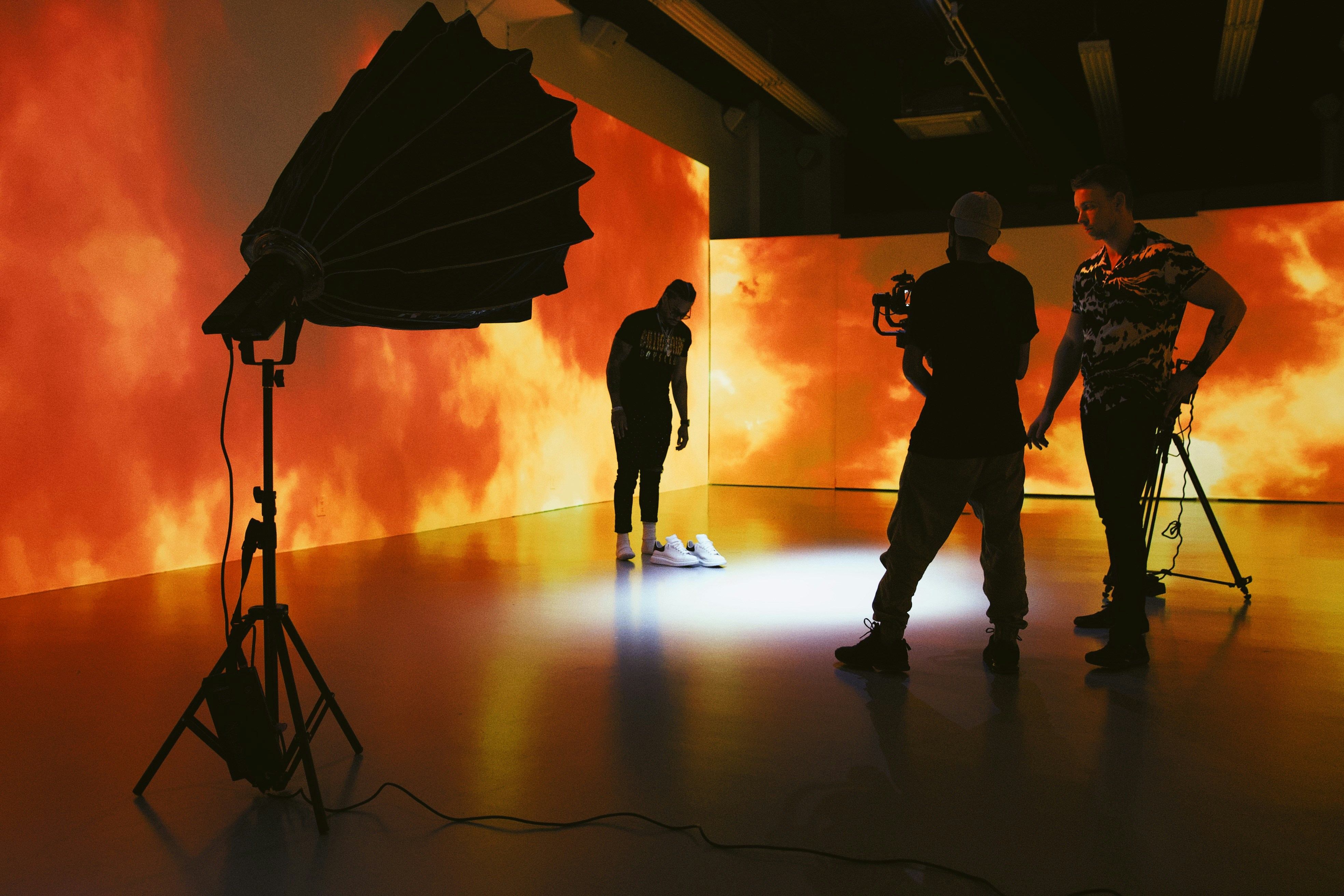
Amid all this technological transformation, one truth persists: compelling stories matter more than production methods. The films that resonate in 2026 won't be the ones with the most sophisticated AI usage or the ones that rejected AI entirely. They'll be films with emotional truth, distinctive creative vision, and stories that connect with audiences.
AI handles technique. Humans provide meaning.
Consider the parallel with digital cinematography. When digital cameras replaced film, some predicted the death of cinematography as a craft. Instead, removing technical limitations freed cinematographers to focus on composition, lighting, and visual storytelling. The best work from the digital era demonstrates sophisticated artistry precisely because technical constraints decreased.
AI follows similar patterns. Removing production limitations doesn't eliminate the need for creative judgment, it amplifies its importance. When anyone can generate technically competent imagery, distinctive vision becomes the rare commodity.
The directors who define the next decade won't be the most AI fluent or the most resistant to technology. They'll be storytellers who use whatever tools serve their vision, whether traditional or AI enhanced, to create emotionally resonant work that audiences remember.
As one industry observer noted: "AI doesn't replace filmmakers. It changes what filmmaking means." That change accelerates in 2026, but the fundamental relationship between storyteller and audience remains constant.
Legal and Regulatory Framework: The Missing Infrastructure
Multiple lawsuits working through courts will likely reach resolution or settlement in 2026, establishing precedents for AI training data usage:
Disney vs. Midjourney: Focused on unauthorized character generation that borrows visual styles from Frozen, Star Wars, and other properties.
Warner Bros. vs. Midjourney: Similar claims around character likeness and distinctive visual styles.
Disney vs. Character.AI: Addressing AI chatbots using Disney character personalities and dialogue patterns.
News Corp. Litigation: CEO Robert Thomson promised to "pursue relentlessly" anyone using stolen data to train models, targeting companies scraping news content.
These cases address fundamental questions:
- Can AI companies train on copyrighted material without permission?
- What constitutes "transformative use" vs. unauthorized copying?
- How do courts balance innovation incentives with IP protection?
- What remedies apply when AI generates content similar to training data?
Early settlements or rulings will likely establish licensing frameworks where AI companies pay content owners for training data access. This creates new revenue streams for studios while providing legal clarity for AI development.
Parallel to litigation, the Trump administration's executive order on AI regulation adds uncertainty. The order limits state level AI regulation in favor of unified federal frameworks. But those frameworks don't yet exist. The conflict between innovation advocacy and creator protection will play out through 2026 legislation and policy development.
Film industry stakeholders should monitor these developments closely, as outcomes directly impact permissible AI usage, licensing costs, and compliance requirements.
Trust and Transparency: The Cultural Dimension
Beyond technology and economics, 2026 must address trust. As Gabe Michael noted: "Our feeds are already drowning in synthetic noise—AI influencers, fake people, faceless content farms, scams, and endless slop. By the end of 2026, no one will reward output for being 'AI generated.'"
In a world of infinite content, trust becomes the rare commodity. This creates opportunities for:
Provenance Systems: Technologies like C2PA Content Credentials that verify content origin and modification history. Filmmakers who transparently document their process build audience trust.
Human-First Branding: Emphasizing human creative vision, even when using AI tools. Audiences want to know there's human intention, judgment, and emotion behind the work.
Community Connection: Direct relationships between creators and audiences become more valuable when algorithm driven content floods platforms. Filmmakers who build genuine communities create sustainable audiences.
Quality Differentiation: As AI makes mediocre content cheap to produce, truly excellent work stands out more sharply. Investing in craft, performance, and storytelling provides competitive advantage.
Transparent Process: Sharing how AI was used in creation, what human decisions shaped the result, and why specific choices were made. This transparency builds audience understanding and appreciation.
Studios and independent creators alike must navigate between AI capability showcasing and human artistry emphasis. The most successful will integrate both: "We used cutting edge AI tools, directed by human creative vision, to tell this specific story in ways previously impossible."
The 2026 Prediction Summary
Synthesizing analyst predictions, studio statements, and technology roadmaps, here's what 2026 likely brings:
Q1 2026: Major studio announces first feature film with significant AI generated sequences. Disney's Sora integration or similar partnership produces visible results. Secret Level launches production platform.
Q2 2026: Union contract negotiations establish formal AI usage frameworks. Agreements include mandatory disclosure, minimum staffing, and compensation structures for AI assisted work.
Mid-2026: Multiple indie films premiere at major festivals (Sundance, SXSW, Cannes) prominently featuring AI generated content. Critical and audience reception influences industry perception.
Q3 2026: Legal settlements or early court rulings on AI training data create licensing frameworks. Studios and AI companies announce formal licensing agreements.
Q4 2026: Holiday season releases include multiple films with undisclosed but significant AI usage. What was exceptional in Q1 becomes routine by year end.
Throughout: Continuous tool improvements, platform launches, workflow integration, and gradual normalization of AI as production standard rather than experimental technique.
The pool jump Zada described won't be a single moment but a cascade. Early adopters establish viability, fast followers prove scalability, and by year end, only the most resistant holdouts remain on the deck.
Positioning for the Inflection Point
2026 represents transition from "should we use AI?" to "how should we use AI effectively?" The question shifts from adoption to optimization.
For filmmakers at every level, this transition demands proactive positioning:
Learn the tools while maintaining strong creative fundamentals.
Develop distinctive vision that survives technology commoditization.
Build hybrid workflows that maximize strengths of traditional and AI methods.
Document your process to satisfy emerging transparency requirements.
Participate in frameworks shaping industry standards and ethical guidelines.
Maintain audience trust through honest communication about creative process.
Focus on storytelling that connects emotionally regardless of production methods.
The technology will improve. Platforms will launch. Studios will implement. Contracts will define boundaries. But sustained success requires human creative judgment that no AI can replicate.
As we stand at the edge of the pool in late 2025, the jump becomes inevitable. Those who dive in thoughtfully—understanding both capabilities and limitations, maintaining creative integrity while embracing new possibilities—will shape what AI filmmaking becomes rather than merely reacting to it.
The transformation accelerates in 2026. The opportunity exists now to position yourself strategically before the rush begins.
Sources and Further Reading
Industry Analysis:
- TheWrap: "Hollywood's AI Hype Hit Reality in 2025. Next Year, It All Moves Faster" https://www.thewrap.com/industry-news/tech/hollywoods-ai-hype-hit-reality-in-2025-next-year-it-all-moves-faster/
- Fuzzy Door Tech: "State of AI in Hollywood: 2026 Predictions" https://finance.yahoo.com/news/fuzzy-door-tech-examines-state-151000610.html
- Digital Production: "VES Handbook of Visual Effects Fourth Edition Coming Soon" https://digitalproduction.com/2025/12/10/ves-handbook-of-visual-effects-fourth-edition-coming-soon/
- McKinsey: "How AI Could Reinvent Film and TV Production" https://www.mckinsey.com/capabilities/tech-and-ai/our-insights/tech-forward/how-ai-could-reinvent-film-and-tv-production
- Bloomberg: "Hollywood's AI Experiments Are in Conflict With What Actors and Directors Want" https://www.bloomberg.com/features/2025-ai-hollywood/
Creator Perspectives:
- Gabe Michael: "2026: The Year AI Filmmaking Grows Up" https://creativepossible.substack.com/p/2026-the-year-ai-filmmaking-grows
- RAOGY Guide: "AI Filmmaking in 2026: How Technology Is Revolutionizing Cinema" https://raogy.guide/blog/future-ai-filmmaking-2026
Continue Reading
.jpg?w=3840)


Video & LipSync
- Video Generator
- Text to Video
- Image to Video
- Start-End Frame to Video
- Draw to Video
- Motion Control
- Video Enhancer
- Video Upscaler
- Video Extend
- Video to Video LipSync
- Audio to Video LipSync
- Image to Video LipSync
- Video FaceSwap
- Seedance 2.5
- WAN 3.0
- Seedance 2
- FLUX 3
- Minimax H3
- Vidu Q3 Pro
- Grok Imagine Video 1.5
- Gemini Omni
- Google Veo 3.1
- Kling 3.0 Pro
- Luma Ray 3.2
- LTX 2.3
- Happy Horse 1.1
- Kling 3.0 Motion
- ByteDance Upscaler
- InfiniteTalk
- InsightFace
Image & Edit
- AI Character
- AI Actor
- Art Generator
- Text to Image
- Image to Image
- LoRA Image to Image
- Draw to Edit
- Image LoRA Training
- Remove Background
- Image Enhancer
- MidJourney 8.0
- Krea 2
- OpenAI GPT Image 2.0
- Nano Banana Pro Ultra
- Nano Banana 2 Lite
- Nano Banana Pro
- Minimax Image
- Clarity Pro
- Z-Image Turbo LoRA
- Krea 2 Turbo LoRA
- Z-Image LoRA Trainer
- Qwen Image LoRA Trainer
- Background Erase Network 2 (BEN2)