
ByteDance Suspends Seedance 2.0 Voice Cloning Feature After Privacy Backlash
Share this post:
ByteDance Suspends Seedance 2.0 Voice Cloning Feature After Privacy Backlash
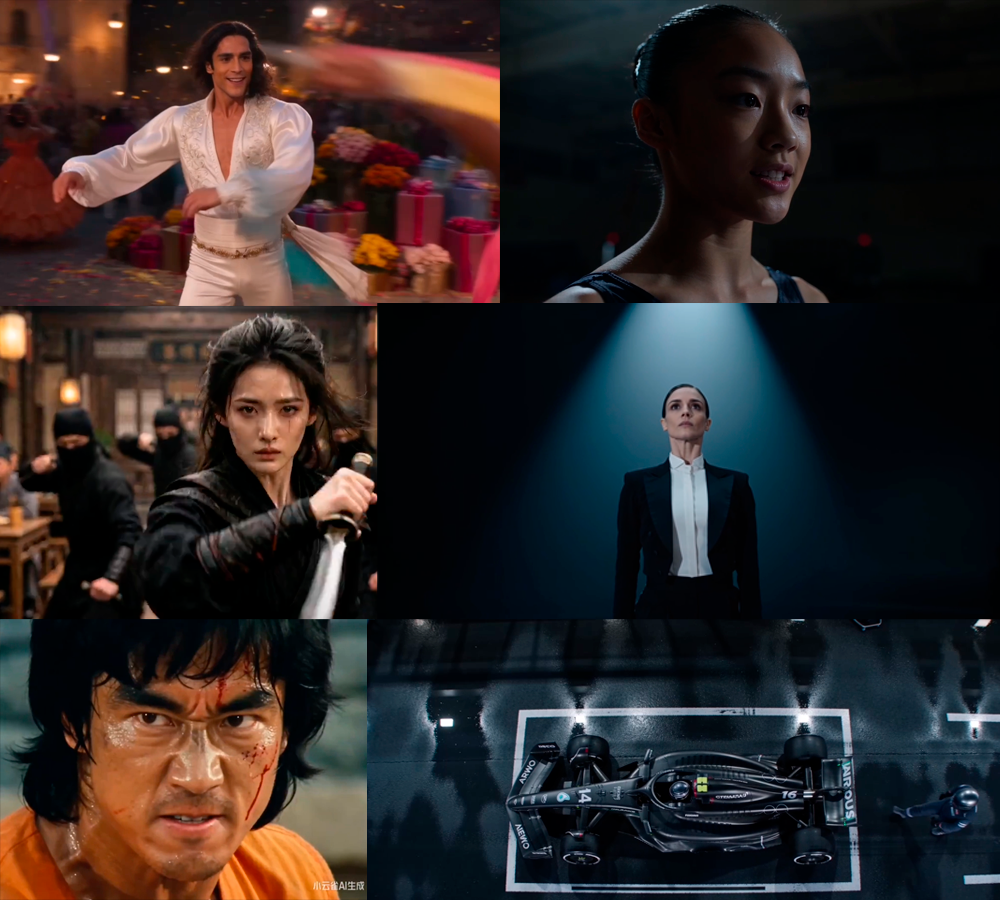
ByteDance has suspended a viral feature in its Seedance 2.0 AI video model that generated personalized voices from facial photos alone, responding to mounting privacy and ethical concerns. The move comes just days after the tool's public launch sparked both excitement and alarm across the AI filmmaking community.
The suspension follows widespread controversy over copyright infringement when Seedance 2.0 went viral for generating unauthorized celebrity likenesses. Now, the voice cloning capability has raised even deeper concerns about identity theft and deepfake abuse.
The Feature That Went Too Far
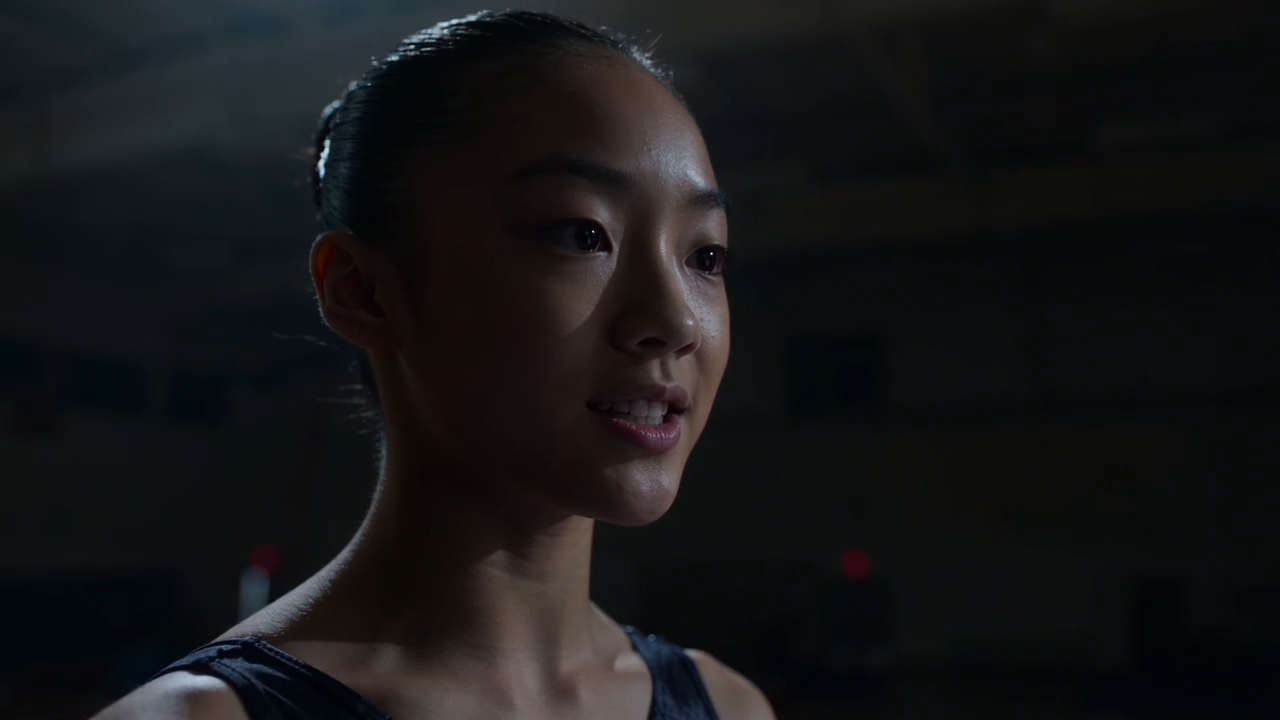
According to reports from TechNode and GLBGPT, ByteDance disabled the "human reference" upload feature on February 10, 2026. The capability allowed users to upload a single facial photo and have the AI generate not just a visual likeness, but also synthesize a matching voice without any audio input.
.png)
The technology went viral after demos showed voice cloning from photos without audio input, immediately sparking deepfake fears across the industry. The ability to create both visual and vocal replicas from a single image raised unprecedented identity theft concerns.
ByteDance's statement via their Jimeng app emphasized their commitment to "responsibility and a healthy creative environment," though the company has not issued a formal press release about the suspension.
How the Technology Worked
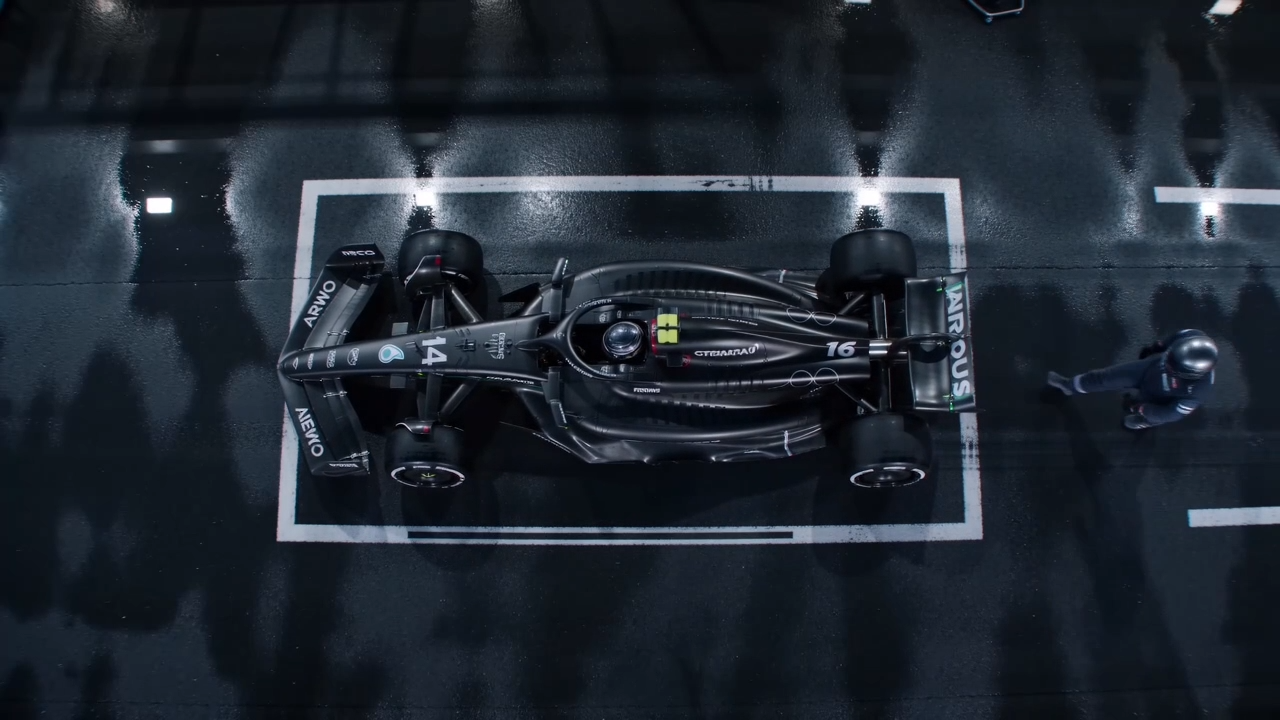
Before its suspension, Seedance 2.0's face to voice feature represented a significant leap in AI synthesis technology. The model could analyze facial features in a photograph and generate a corresponding voice that theoretically matched the person's appearance.
This capability built on Seedance 2.0's multimodal architecture, which ByteDance officially launched on February 12, 2026. The company's Seed blog detailed the model's advanced capabilities, including notes about using real human portraits requiring identity verification or authorization.
Seedance 2.0 face to voice test pic.twitter.com/dNTyLUIwAV
— Ruairi Robinson (@RuairiRobinson) February 11, 2026
However, the gap between stated safeguards and actual implementation became apparent when users discovered they could generate convincing voice and video replicas without the promised verification systems.
Privacy Concerns and Legal Implications
The suspended feature raised serious legal questions, particularly in jurisdictions with digital replica laws. California's AB 2602 and AB 1836 legislation explicitly requires informed consent before creating AI generated replicas of individuals' voices and likenesses.
The ability to create voice clones from photographs alone would violate these protections, potentially exposing ByteDance to significant legal liability in the United States and other markets with similar consumer protection laws.
Privacy advocates immediately flagged multiple abuse scenarios, including identity theft, fraud, unauthorized commercial use, political manipulation, and harassment campaigns. The technology could enable malicious actors to create convincing deepfakes of anyone with publicly available photos.
Amazing character consistency in Seedance 2.0 pic.twitter.com/8kFjL3MnBx
— Awesome Visuals (@awesome_visuals) February 10, 2026
Current Status and Restrictions
While the face to voice feature has been suspended, Seedance 2.0 remains accessible on platforms like Dreamina AI and the Doubao app, but with adjusted features. According to TechNode, ByteDance has implemented live verification for avatar creation in testing phases.
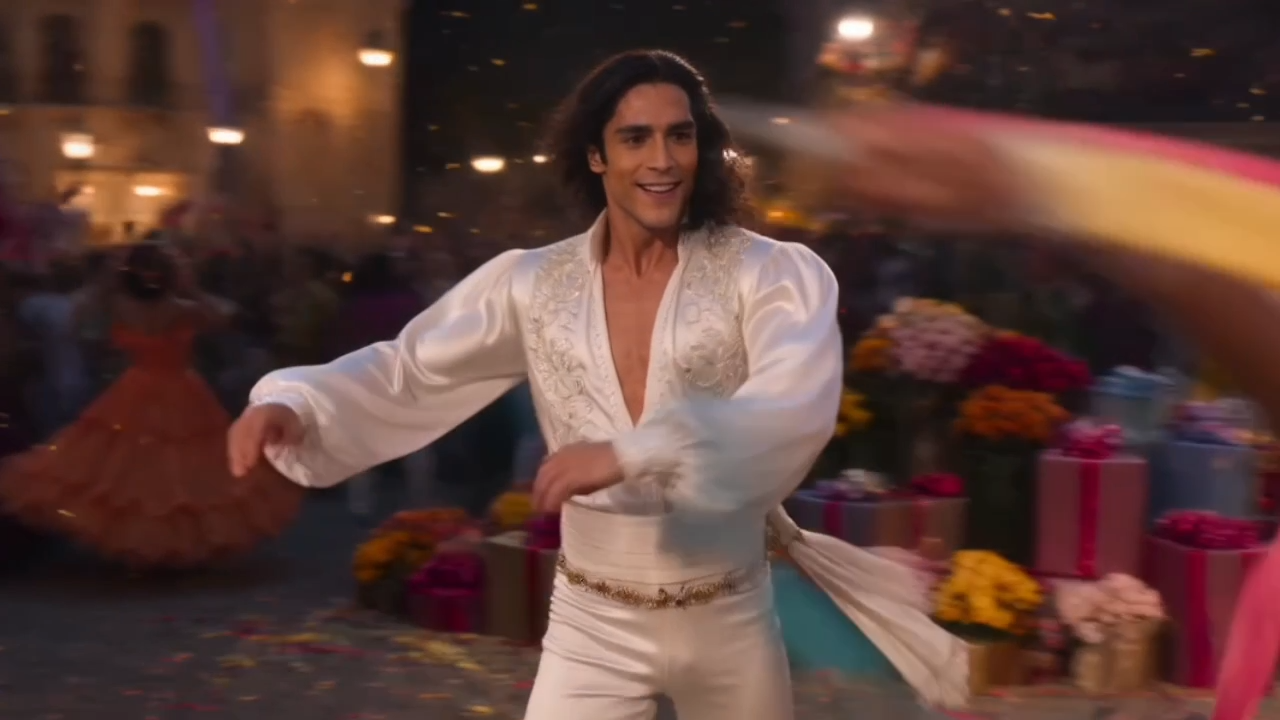
Users can still access Seedance 2.0's core video generation capabilities through ByteDance's Volcano Engine platform. However, creating content using real human likenesses now requires additional verification steps that were absent from the initial public release.
The company has limited the "human reference" upload functionality during the testing phase, though specific details about what verification measures are now in place remain unclear.
Seedance 2.0 character animation demo pic.twitter.com/kRjH4MxPqL
— YangGuang AI (@YangGuangAI) February 9, 2026
What This Means for AI Filmmakers
The suspension highlights the ongoing tension between technological capability and ethical deployment in AI video generation. For legitimate filmmakers, the incident underscores the importance of using tools with proper safeguards and consent mechanisms.
Professional creators should prioritize platforms that implement strong identity verification, require explicit consent for likeness usage, provide audit trails for generated content, and comply with regional digital replica laws.
The Broader Context
This suspension comes at a critical moment for AI video generation. Just days ago, Hollywood's Motion Picture Association condemned ByteDance for enabling "unauthorized use of U.S. copyrighted works on a massive scale" after Seedance 2.0 generated viral videos of celebrities like Tom Cruise and Brad Pitt without permission.
The voice cloning suspension suggests ByteDance is responding to regulatory pressure and public backlash, though critics argue the company should have implemented these safeguards before launch rather than after controversy erupted.
The incident also raises questions about the different approaches taken by Chinese versus Western AI companies. While firms like OpenAI have prioritized partnerships with rights holders and implemented extensive safety measures, ByteDance's initial "launch first, restrict later" strategy has drawn sharp criticism from industry groups.
Industry Response
The AI filmmaking community remains divided on the implications. Some see the suspension as necessary protection against abuse, while others view it as stifling innovation that could democratize content creation.
However, there's broad consensus that voice and likeness replication technology requires stronger guardrails than general purpose AI tools. The ability to impersonate specific individuals creates unique risks that demand strong consent and verification systems.
The suspension may set a precedent for how regulators and platforms approach similar capabilities in future AI models. As voice synthesis technology becomes more sophisticated, the industry will likely face increasing pressure to implement proactive safeguards rather than reactive restrictions.
Looking Ahead
ByteDance has not announced a timeline for potentially reintroducing the face to voice feature with enhanced safeguards. The company's focus appears to be on maintaining access to Seedance 2.0's core video generation capabilities while addressing the most problematic features.
For the AI filmmaking industry, this incident reinforces that technological advancement must be balanced with ethical responsibility. Tools that can replicate human voices and likenesses will remain controversial until the industry develops widely accepted standards for consent, attribution, and verification.
As AI video generation continues to evolve, expect increased scrutiny of features that cross the line from creative tool to potential weapon for identity theft and fraud. The companies that succeed will be those that build trust through transparency and proactive protection of individual rights.
Learn more about ethical AI video generation and access professional creative tools at AI FILMS Studio.
Update (March 15, 2026): The copyright and privacy pressure on ByteDance escalated further in the weeks after this article. Disney, Warner Bros. Discovery, Netflix, Paramount, Sony, and the MPA all sent cease-and-desist letters, forcing ByteDance to suspend the planned global launch of Seedance 2.0. Full story here.
Update (August 19, 2026): The wider dispute closed with a published framework. On August 17, 2026 the MPA and ByteDance signed a memorandum of understanding covering Seedance, Seedream and the platforms that carry them, which makes a sudden feature withdrawal like this one less likely. Full story here.
Sources
TechNode: "ByteDance suspends Seedance 2.0 feature that turns facial photos into personal voices over potential risks" Published: February 10, 2026 https://technode.com/2026/02/10/bytedance-suspends-seedance-2-0-feature-that-turns-facial-photos-into-personal-voices-over-potential-risks/
GLBGPT: "Seedance 2.0 Face to Voice Suspended, Privacy Risks" Published: February 10, 2026 https://www.glbgpt.com/hub/seedance-2-0-face-to-voice-suspended-privacy-risks/
ByteDance Seed Blog: "Official Launch of Seedance 2.0" Published: February 12, 2026 https://seed.bytedance.com/en/blog/official-launch-of-seedance-2-0
The News: "ByteDance's Seedance 2.0 marks new era of cinematic AI generated videos" Published: February 2026 https://www.thenews.com.pk/latest/1391617-bytedances-seedance-20-marks-new-era-of-cinematic-ai-generated-videos-heres-how
Continue Reading
.jpg?w=3840)


Video & LipSync
- Video Generator
- Text to Video
- Image to Video
- Start-End Frame to Video
- Draw to Video
- Motion Control
- Video Enhancer
- Video Upscaler
- Video Extend
- Video to Video LipSync
- Audio to Video LipSync
- Image to Video LipSync
- Video FaceSwap
- Seedance 2.5
- WAN 3.0
- Seedance 2
- FLUX 3
- Minimax H3
- Vidu Q3 Pro
- Grok Imagine Video 1.5
- Gemini Omni
- Google Veo 3.1
- Kling 3.0 Pro
- Luma Ray 3.2
- LTX 2.3
- Happy Horse 1.1
- Kling 3.0 Motion
- ByteDance Upscaler
- InfiniteTalk
- InsightFace
Image & Edit
- AI Character
- AI Actor
- Art Generator
- Text to Image
- Image to Image
- LoRA Image to Image
- Draw to Edit
- Image LoRA Training
- Remove Background
- Image Enhancer
- MidJourney 8.0
- Krea 2
- OpenAI GPT Image 2.0
- Nano Banana Pro Ultra
- Nano Banana 2 Lite
- Nano Banana Pro
- Minimax Image
- Clarity Pro
- Z-Image Turbo LoRA
- Krea 2 Turbo LoRA
- Z-Image LoRA Trainer
- Qwen Image LoRA Trainer
- Background Erase Network 2 (BEN2)