
Hollywood Strikes Back: MPA Condemns ByteDance's Seedance 2.0 Over Viral AI Video
Share this post:
Hollywood Strikes Back: MPA Condemns ByteDance's Seedance 2.0 Over Viral AI Video
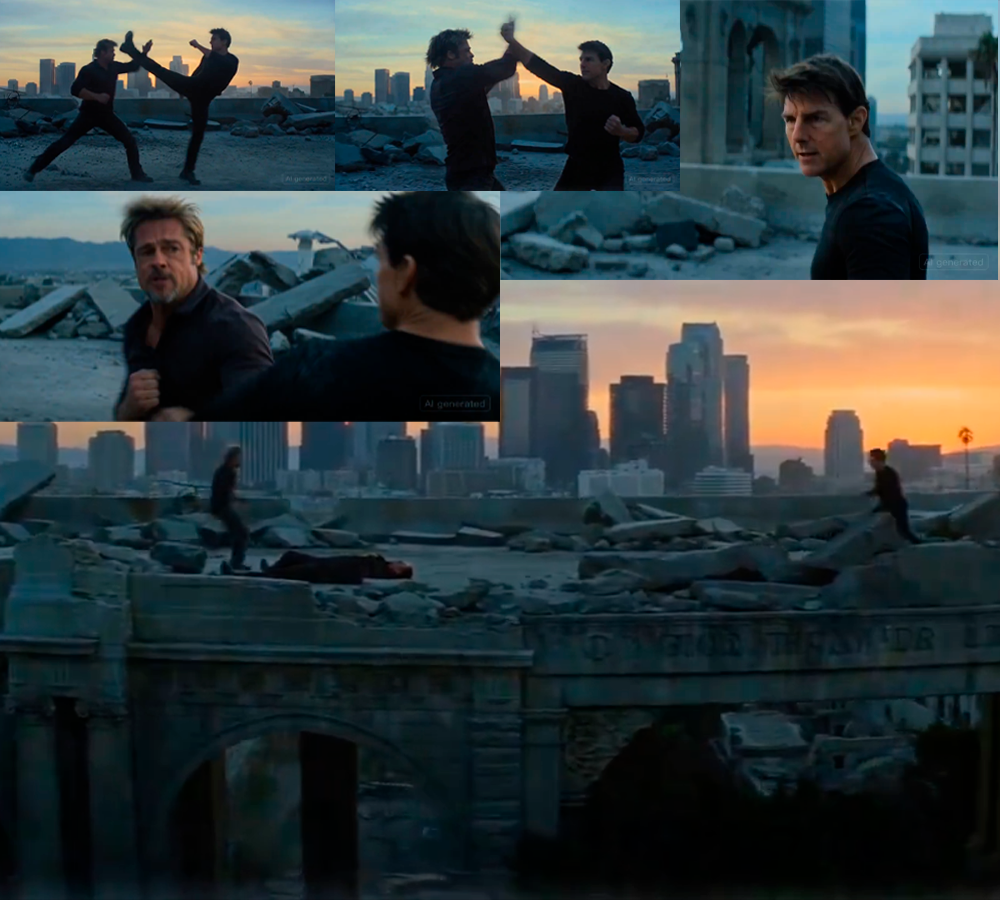
A stunning AI generated video showing Tom Cruise and Brad Pitt locked in a rooftop brawl has ignited a firestorm in Hollywood, prompting the Motion Picture Association to issue its harshest condemnation yet of an AI video generator.
The video, created using ByteDance's newly launched Seedance 2.0 model, has gone massively viral across social media platforms. Within 24 hours of the tool's public release, the MPA accused the Chinese tech giant of enabling "unauthorized use of U.S. copyrighted works on a massive scale."
This was a 2 line prompt in seedance 2. If the hollywood is cooked guys are right maybe the hollywood is cooked guys are cooked too idk. pic.twitter.com/dNTyLUIwAV
— Ruairi Robinson (@RuairiRobinson) February 11, 2026
The Video That Shook Hollywood
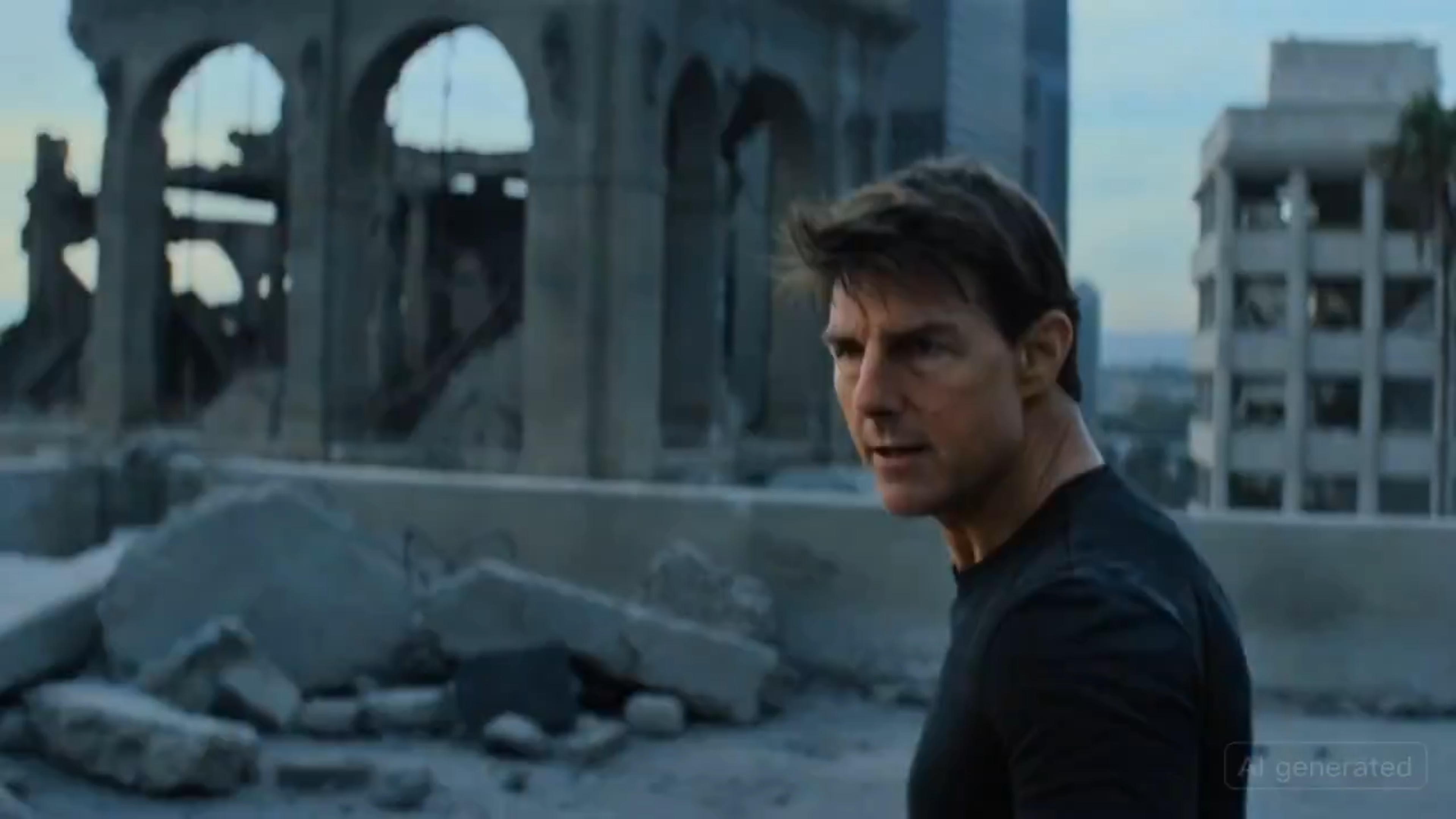
Irish director Ruairi Robinson, a 2002 Oscar nominee for his short film, posted the hyper realistic clip to X (formerly Twitter) on February 11, revealing he created it with just a "2 line prompt" in Seedance 2.0. The video depicts the two A list actors engaged in an intense fight sequence on a rooftop, with cinematic camera work and realistic motion that would typically require a full production crew and stunt coordinators.
"This was a 2 line prompt in seedance 2. If the hollywood is cooked guys are right maybe the hollywood is cooked guys are cooked too idk," Robinson wrote in his post, capturing the existential uncertainty now rippling through the entertainment industry.
The clip has accumulated millions of views and sparked intense debate about the future of filmmaking, celebrity likenesses, and the sustainability of traditional film production.
MPA Issues Strongest Warning Yet
In a statement released Thursday, the Motion Picture Association didn't mince words about ByteDance's new tool.
"In a single day, the Chinese AI service Seedance 2.0 has engaged in unauthorized use of U.S. copyrighted works on a massive scale," an MPA spokesperson declared. "By launching a service that operates without meaningful safeguards against infringement, ByteDance is disregarding well established copyright law that protects the rights of creators and underpins millions of American jobs."
The trade association, which represents major Hollywood studios, demanded that "ByteDance should immediately cease its infringing activity."
.png)
MPA Chairman and CEO Charles Rivkin emphasized that this isn't just about one viral video. The organization has documented numerous instances of users creating unauthorized content featuring copyrighted characters and celebrity likenesses using Seedance 2.0, all within the first day of its availability.
Top Screenwriter Sounds Alarm
Perhaps the most chilling reaction came from Rhett Reese, the acclaimed screenwriter behind "Deadpool & Wolverine," who responded to Robinson's video with a stark warning: "I hate to say it. It's likely over for us."
Reese elaborated on his concerns, suggesting that "Hollywood is about to be revolutionized/decimated" by this new technology. His comments reflect a growing anxiety among Hollywood professionals that AI video generation has crossed a threshold, moving from experimental novelty to genuine threat to livelihoods.
The writer's response resonated across the industry, sparking conversations about whether traditional screenwriting, directing, and production roles can survive in an era when anyone can generate Hollywood quality footage from a simple text prompt.
.png)
What Is Seedance 2.0?
ByteDance, the Chinese owner of TikTok, describes Seedance 2.0 as a "substantial leap in generation quality" from the previous version. The multimodal AI system can accept various inputs including text, images, video, and audio to generate highly realistic video content.
The model represents ByteDance's push into the AI video generation space, competing with tools like OpenAI's Sora 2 and other emerging platforms. However, unlike some competitors, Seedance 2.0 appears to lack the strong copyright safeguards that have become standard in Western AI tools.
Key capabilities that make Seedance 2.0 particularly controversial:
- Multimodal input processing: Text, image, video, and audio can all serve as prompts
- Celebrity likeness replication: Ability to generate realistic depictions of public figures
- Cinematic quality output: Professional grade camera movements and visual effects
- Character consistency: Maintaining recognizable features across generated footage
- Rapid generation: Creating complex scenes from minimal prompts
.png)
A Pattern of AI Copyright Conflicts
This isn't the first time the MPA has confronted an AI company over copyright issues. When OpenAI released Sora 2 last fall, similar concerns prompted a stern warning from the trade association.
"OpenAI needs to take immediate and decisive action to address this issue," the MPA said at the time. "Well established copyright law safeguards the rights of creators and applies here."
The key difference: OpenAI responded. The company implemented significant safeguards making it much more difficult for users to violate studio copyrights. This cooperative approach led to a groundbreaking deal between Disney and OpenAI to license 200 characters for use on Sora 2, a template many hoped other studios would follow.
Whether ByteDance will adopt a similar approach remains uncertain. The company has not responded to requests for comment on the MPA's demands. Given the different regulatory environment in China and ByteDance's complex relationship with Western governments, experts are skeptical about quick resolution.
Viral Infringement: Beyond Cruise and Pitt
The Tom Cruise vs. Brad Pitt video is just the tip of the iceberg. Since Seedance 2.0's launch, social media has been flooded with AI generated content featuring major intellectual properties:
- Spider-Man clips mimicking MCU visual style
- Titanic reimaginings with different outcomes
- Stranger Things scenarios in new settings
- Lord of the Rings sequences with altered storylines
- Shrek parodies in photorealistic styles
Each represents potential copyright violations, creating a repeated rounds of the same fight scenario for rights holders who must now consider whether to pursue takedown notices and infringement suits on a scale never before seen.
.png)
The Strategic Context: China's AI Ambitions
Seedance 2.0's release comes amid China's push for what some analysts call a "second DeepSeek moment," referring to the surprise emergence of competitive Chinese AI models that challenged assumptions about Western AI dominance.
ByteDance has positioned Seed (the broader framework containing Seedance) as a multimodal AI platform targeting applications in film production, ecommerce, and advertising. The company's approach suggests a belief that capturing market share quickly is worth the regulatory and legal risks.
Industry observers note that ByteDance's calculus may differ significantly from Western AI companies. While firms like OpenAI and Anthropic have prioritized partnerships with content creators and rights holders, ByteDance appears to be taking a more aggressive launch first, negotiate later strategy.
What This Means for Filmmakers
For independent filmmakers and content creators, Seedance 2.0 represents contradictory possibilities. On one hand, tools like this democratize access to Hollywood quality visual effects. A two line prompt creating cinematic action sequences would have cost hundreds of thousands of dollars just a few years ago.
On the other hand, if the barrier to entry drops to nearly zero, the value of professional filmmaking expertise plummets. Why hire a cinematographer, stunt coordinator, visual effects team, and location scout when a single person with a good prompt can generate comparable footage?
The technology also raises urgent questions about:
- Actor compensation: Should actors receive payments when AI replicates their likenesses?
- Copyright enforcement: How can rights holders protect IP across millions of AI generated clips?
- Quality vs. quantity: Will the flood of AI content devalue all video content?
- Creative authenticity: What does authorship mean when machines generate the visuals?
Next Steps and Industry Response
The MPA's demand that ByteDance "immediately cease its infringing activity" represents Hollywood's opening salvo, but the path forward remains murky. Legal experts point out several possible scenarios:
Litigation: Copyright owners could file lawsuits similar to those currently targeting other AI companies, though jurisdiction and enforcement against a Chinese entity present challenges.
Regulatory pressure: The U.S. government could use Seed ance 2.0 as another flashpoint in ongoing tech policy disputes with China, potentially leading to sanctions or app store restrictions.
Platform enforcement: Social media platforms could implement stricter policies around AI generated content, requiring disclosure or blocking uploads from certain tools.
Industry adaptation: Studios might accelerate their own AI partnerships and develop competing tools with proper licensing frameworks. Some insiders now argue Hollywood should go further, moving from reactive enforcement to a proactive strategy that positions the industry as a leader in AI filmmaking.
For now, the film industry watches nervously as videos like the Cruise-Pitt fight continue circulating, each new viral clip underscoring how quickly AI has evolved from curiosity to potential industry disruptor.
The Bigger Picture
The Seedance 2.0 controversy crystallizes tensions that have been building since AI video generation emerged. It's no longer a question of if AI will transform filmmaking, but how to keep that transformation from trampling the rights of actors, writers, directors, and other creative professionals who built the industry.
As Rhett Reese's ominous warning suggests, the old rules may no longer apply. Whether that leads to major new creative possibilities or the decimation of professional filmmaking likely depends on the choices made in the coming months by AI companies, content creators, regulators, and the platforms that distribute this new wave of synthetic media.
One thing is certain: the fight over who controls, profits from, and is protected by AI generated content is just beginning. And unlike the fictional rooftop battle between Cruise and Pitt, this conflict will have very real consequences for millions of creative professionals worldwide.
Update (March 15, 2026): The legal pressure described in this article ultimately forced ByteDance to suspend the planned global rollout of Seedance 2.0. Disney, Warner Bros. Discovery, Netflix, Paramount, Sony, and the MPA all sent cease-and-desist letters before the mid-March launch date. Full story here.
Update (August 19, 2026): The dispute ended in an agreement. On August 17, 2026 the MPA and ByteDance signed a memorandum of understanding covering Seedance, Seedream, TikTok, CapCut and Dreamina. Full story here.
Credits and Sources
Featured Video Creator: Ruairi Robinson, Oscar nominated director Source Articles: Variety, The Hollywood Reporter, CNBC TV18, The Wrap Technology Provider: ByteDance Seed Platform
Continue Reading
.jpg?w=3840)


Video & LipSync
- Video Generator
- Text to Video
- Image to Video
- Start-End Frame to Video
- Draw to Video
- Motion Control
- Video Enhancer
- Video Upscaler
- Video Extend
- Video to Video LipSync
- Audio to Video LipSync
- Image to Video LipSync
- Video FaceSwap
- Seedance 2.5
- WAN 3.0
- Seedance 2
- FLUX 3
- Minimax H3
- Vidu Q3 Pro
- Grok Imagine Video 1.5
- Gemini Omni
- Google Veo 3.1
- Kling 3.0 Pro
- Luma Ray 3.2
- LTX 2.3
- Happy Horse 1.1
- Kling 3.0 Motion
- ByteDance Upscaler
- InfiniteTalk
- InsightFace
Image & Edit
- AI Character
- AI Actor
- Art Generator
- Text to Image
- Image to Image
- LoRA Image to Image
- Draw to Edit
- Image LoRA Training
- Remove Background
- Image Enhancer
- MidJourney 8.0
- Krea 2
- OpenAI GPT Image 2.0
- Nano Banana Pro Ultra
- Nano Banana 2 Lite
- Nano Banana Pro
- Minimax Image
- Clarity Pro
- Z-Image Turbo LoRA
- Krea 2 Turbo LoRA
- Z-Image LoRA Trainer
- Qwen Image LoRA Trainer
- Background Erase Network 2 (BEN2)