
Joseph Gordon-Levitt Leads Hollywood's Push for Ethical AI and Creator Compensation
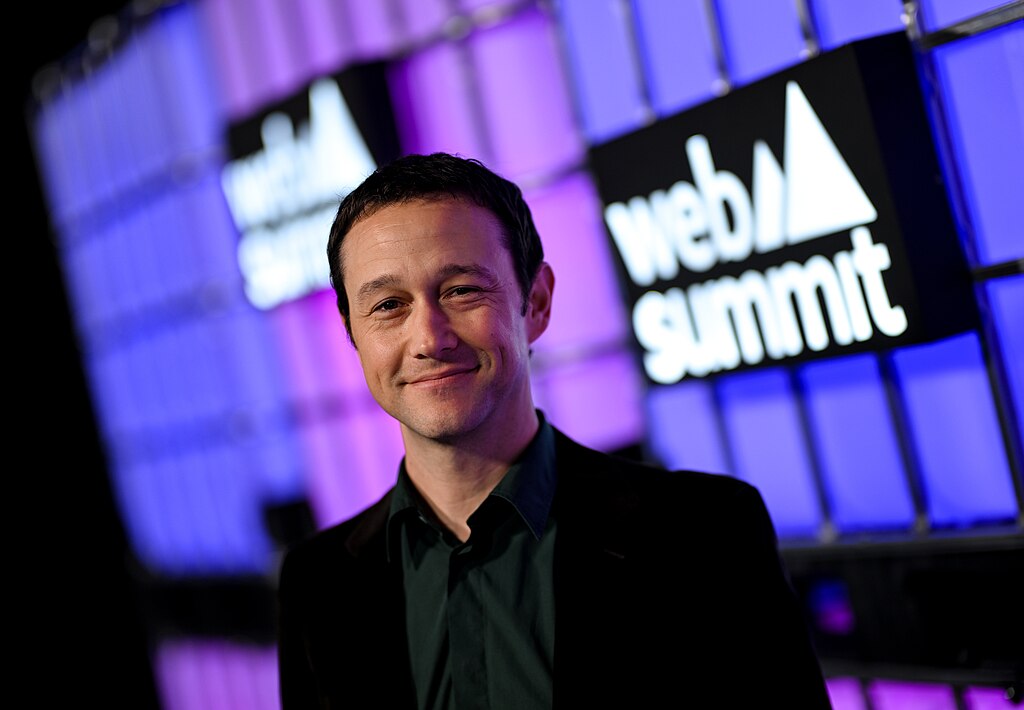
Web Summit, CC BY 4.0, via Wikimedia Commons
Share this post:
Joseph Gordon-Levitt Leads Hollywood's Push for Ethical AI and Creator Compensation
Hollywood's relationship with artificial intelligence has shifted from optimism to concern. At the center of this evolution stands actor and filmmaker Joseph Gordon-Levitt, who is spearheading a movement to ensure creators receive fair compensation when AI systems train on their work.
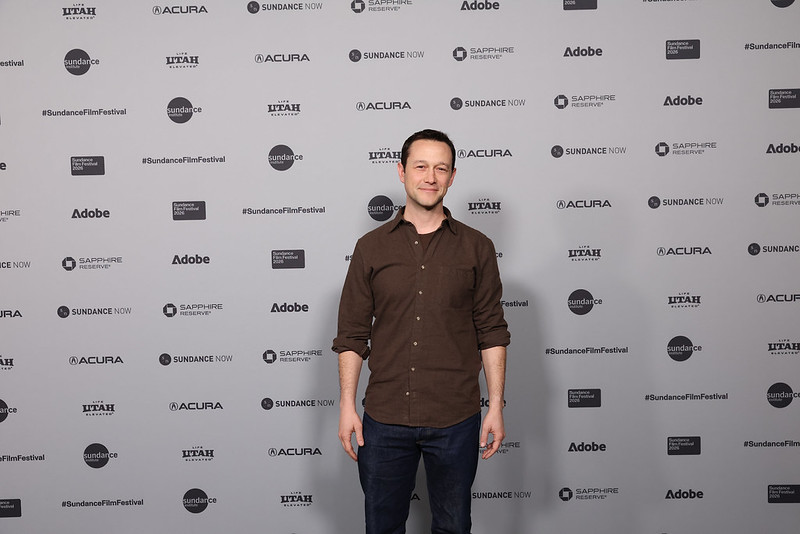
During a panel at the 2026 Sundance Film Festival, Gordon-Levitt argued that AI represents "collective" intelligence built on human creativity. He called for systems that provide ongoing compensation to creators whose work feeds machine learning models.
The Creators Coalition on AI
Gordon-Levitt co-founded the Creators Coalition on AI in December 2025, responding to widespread concerns about AI using creative work without consent or payment. The coalition emerged after filmmaker Daniel Kwan publicly criticized AI systems that replicate artistic styles without permission.
The organization includes more than 500 supporters from across the entertainment industry. Members range from Oscar-winning directors like Janet Yang to actors Natasha Lyonne and Natalie Portman. The coalition operates as an open group, welcoming creators beyond high profile celebrities.

The coalition's primary focus is developing ethical frameworks that protect creator rights while allowing AI development. Rather than opposing the technology outright, the group seeks to establish standards for consent, attribution, and payment.
SAG-AFTRA's Three-Pillar AI Strategy
The Screen Actors Guild and American Federation of Television and Radio Artists has built its AI protections around three core principles: consent, compensation, and control. This philosophy extends to name, voice, and likeness rights for all union members.
Chief Negotiator Duncan Crabtree-Ireland outlined SAG-AFTRA's economic strategy with the phrase "make AI expensive." The union pushes for penalties that match or exceed human performer costs. Recent commercials contracts include AI usage fees at 1.5 times standard rates per appearance. This approach extends into the union's proposed digital likeness tax on AI performers, treating synthetic character usage as taxable events within production budgets.
The union's television agreements now include specific AI terms covering digital replicas and synthetic performances. These protections emerged from the 2023 strikes that highlighted AI as a central concern for performers and writers. California subsequently codified many of these protections into state law through AB 2602 and AB 1836, making unauthorized AI digital replicas illegal.
Industry negotiators report that companies initially resisted AI compensation structures. The union maintained that if studios want to use AI trained on union members' performances, they must pay rates comparable to hiring actual performers.
Industry Coalitions and Broader Implications
Beyond the Creators Coalition, several industry groups have formed to address AI ethics. Autodesk VP of Media and Entertainment spoke at the Sundance panel about AI improving production efficiency without eliminating the human element in storytelling.
McKinsey research identified intellectual property infringement as a primary ethical risk in AI deployment. The consulting firm's analysis of entertainment industry AI adoption emphasized the need for consent frameworks before companies deploy AI systems trained on copyrighted material.
The current movement represents a fundamental question about creative labor value. Gordon-Levitt and other coalition members argue that AI cannot exist without the human created data it processes. This positions creator compensation not as charity but as fair payment for essential raw materials.
Several major production companies have begun negotiations with unions and creator groups about AI usage terms. These discussions focus on establishing baseline rates for AI training, usage limits, and disclosure requirements when AI generates or modifies content. California's legal framework now provides concrete standards that productions must follow.
Gordon-Levitt has since taken his advocacy beyond testimony and coalition work. He has written and will direct "2034", a Netflix thriller that places artificial intelligence's threat to human creativity at the center of its plot, with filming set to begin May 4, 2026.
Support for the human-first position comes from the industry's most prominent directors as well. Steven Spielberg told a SXSW 2026 audience that he has never used AI in any of his films and is "not for AI if it replaces a creative individual." The alignment between his public statement and the coalition's framework reflects a broad, if informally organized, defense of human authorship.
The Road Ahead for AI Ethics in Hollywood
The alliance between creator coalitions and labor unions signals a coordinated approach to AI regulation in entertainment. Unlike previous technological disruptions, the current movement addresses economic concerns before widespread AI adoption rather than after.
Industry observers note that Gordon-Levitt's coalition takes a pragmatic stance. Rather than demanding outright bans on AI systems, members push for transparent attribution, consent protocols, and ongoing revenue sharing models similar to music streaming royalties.
The coalition's December 2025 launch coincided with increasing reports of unauthorized AI training on creative works. Several visual artists discovered their portfolios included in AI training datasets without permission. Similar concerns emerged from voice actors whose performances appeared in AI voice synthesis tools.
Hollywood's response differs from the tech industry's typical "move fast and break things" philosophy. The Creators Coalition advocates for establishing ethical frameworks before scaling AI production systems. This approach aims to prevent the compensation battles that plagued music streaming services in their early years.
Learn more about AI's impact on filmmaking in our coverage of Hollywood's pivotal year for AI, where we examine the broader industry transformation underway.
The success of these initiatives will likely influence AI regulation beyond entertainment. As Gordon-Levitt noted, the fundamental question applies to any industry where AI trains on human generated data. Who owns that data, who benefits from its use, and how should creators receive compensation?
Sources
Hollywood Reporter: "Joseph Gordon-Levitt on Hollywood's Ethical Future With AI"
Published: January 24, 2026
https://www.hollywoodreporter.com/business/digital/joseph-gordon-levitt-hollywood-ethical-future-ai-1236501403/
Los Angeles Times: "Hollywood Stars Launch Creators Coalition on AI"
Published: December 17, 2025
https://www.latimes.com/entertainment-arts/business/story/2025-12-17/hollywood-stars-launch-creators-coalition-on-ai
SAG-AFTRA: "Artificial Intelligence"
https://www.sagaftra.org/contracts-industry-resources/member-resources/artificial-intelligence
Hollywood Reporter: "SAG-AFTRA Negotiator Strategy: Make AI Expensive"
Published: January 15, 2026
https://www.hollywoodreporter.com/business/business-news/sag-aftra-negotiator-ai-strategy-make-it-expensive-1236468436/
Continue Reading
.jpg?w=3840)


Video & LipSync
- Video Generator
- Text to Video
- Image to Video
- Start-End Frame to Video
- Draw to Video
- Motion Control
- Video Enhancer
- Video Upscaler
- Video Extend
- Video to Video LipSync
- Audio to Video LipSync
- Image to Video LipSync
- Video FaceSwap
- Seedance 2.5
- WAN 3.0
- Seedance 2
- FLUX 3
- Minimax H3
- Vidu Q3 Pro
- Grok Imagine Video 1.5
- Gemini Omni
- Google Veo 3.1
- Kling 3.0 Pro
- Luma Ray 3.2
- LTX 2.3
- Happy Horse 1.1
- Kling 3.0 Motion
- ByteDance Upscaler
- InfiniteTalk
- InsightFace
Image & Edit
- AI Character
- AI Actor
- Art Generator
- Text to Image
- Image to Image
- LoRA Image to Image
- Draw to Edit
- Image LoRA Training
- Remove Background
- Image Enhancer
- MidJourney 8.0
- Krea 2
- OpenAI GPT Image 2.0
- Nano Banana Pro Ultra
- Nano Banana 2 Lite
- Nano Banana Pro
- Minimax Image
- Clarity Pro
- Z-Image Turbo LoRA
- Krea 2 Turbo LoRA
- Z-Image LoRA Trainer
- Qwen Image LoRA Trainer
- Background Erase Network 2 (BEN2)