
AI Ads Match Human Creative Performance in Major University Study

Share this post:
AI Ads Match Human Creative Performance in Major University Study
A groundbreaking multi university study has revealed that AI generated advertisements perform as well as human made content across hundreds of millions of real impressions. The research, conducted in collaboration with Columbia University, Harvard University, Technical University of Munich, and Carnegie Mellon University, analyzed over 500 million impressions and 3 million clicks on Taboola's advertising platform.
The Scale of Research

The study titled "AI Ads That Work: How AI Creative Stacks Up Against Humans" represents one of the largest real world evaluations of generative AI in commercial advertising. Researchers examined data from Taboola's Realize platform, where both AI and human generated ads competed for attention in identical market conditions. The raw numbers showed AI generated ads achieving a 0.76% click through rate compared to 0.65% for human made content.
When researchers applied rigorous statistical controls to account for variables like placement, timing, and audience segments, the performance gap disappeared entirely. The data suggests that generative AI has reached a critical threshold where output quality matches professional human creative work at scale.
The Trust Factor: Why Perception Matters
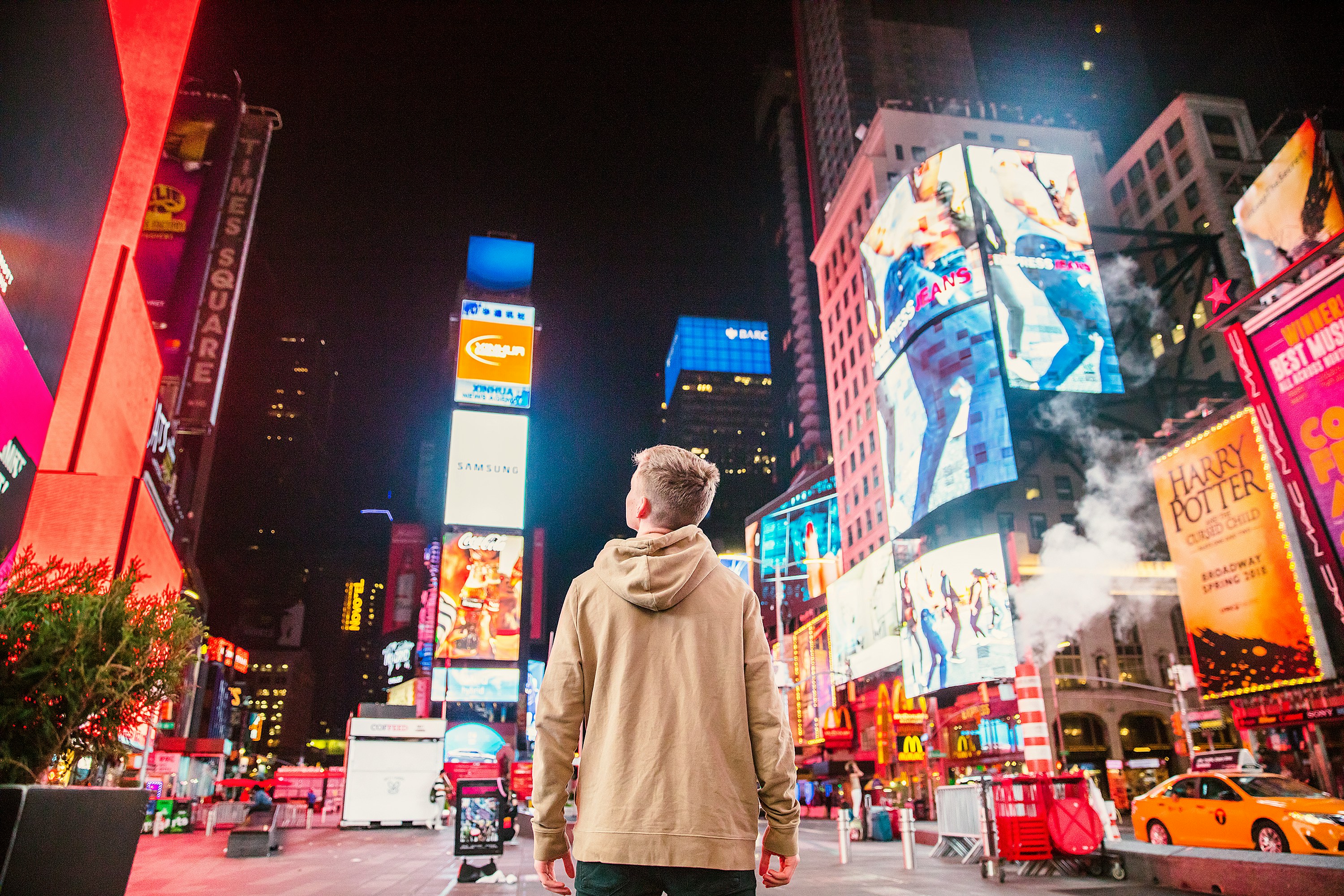
The most revealing finding came from user perception analysis. Nearly half of AI generated ads were perceived as human made by viewers. The critical factor determining trustworthiness was visual authenticity, particularly the inclusion of large, clear human faces in ad creative. Users who believed they were viewing human created content engaged more frequently, regardless of the ad's actual origin.
This perception bias cuts both ways. The research found that users penalized content they suspected was artificial, whether it was actually created by AI or humans. The implication is clear: successful AI creative must be indistinguishable from human work, not just in technical quality but in emotional resonance and authenticity.
Academic Rigor Meets Commercial Reality
The collaboration between four leading research institutions and a commercial advertising platform provided unique advantages. Academic researchers gained access to real market data at unprecedented scale, while Taboola obtained rigorous peer reviewed analysis of their AI creative tools. The study tracked not just immediate engagement metrics but downstream conversion rates, addressing a common criticism that AI content might drive clicks without meaningful business outcomes.
Results showed that AI generated visuals maintained engagement quality through the entire conversion funnel. Advertisers using AI creative tools experienced comparable or improved performance without the production bottlenecks of traditional creative workflows. For brands producing hundreds of ad variations for testing and optimization, the efficiency gains are substantial.
Implications for Creative Industries
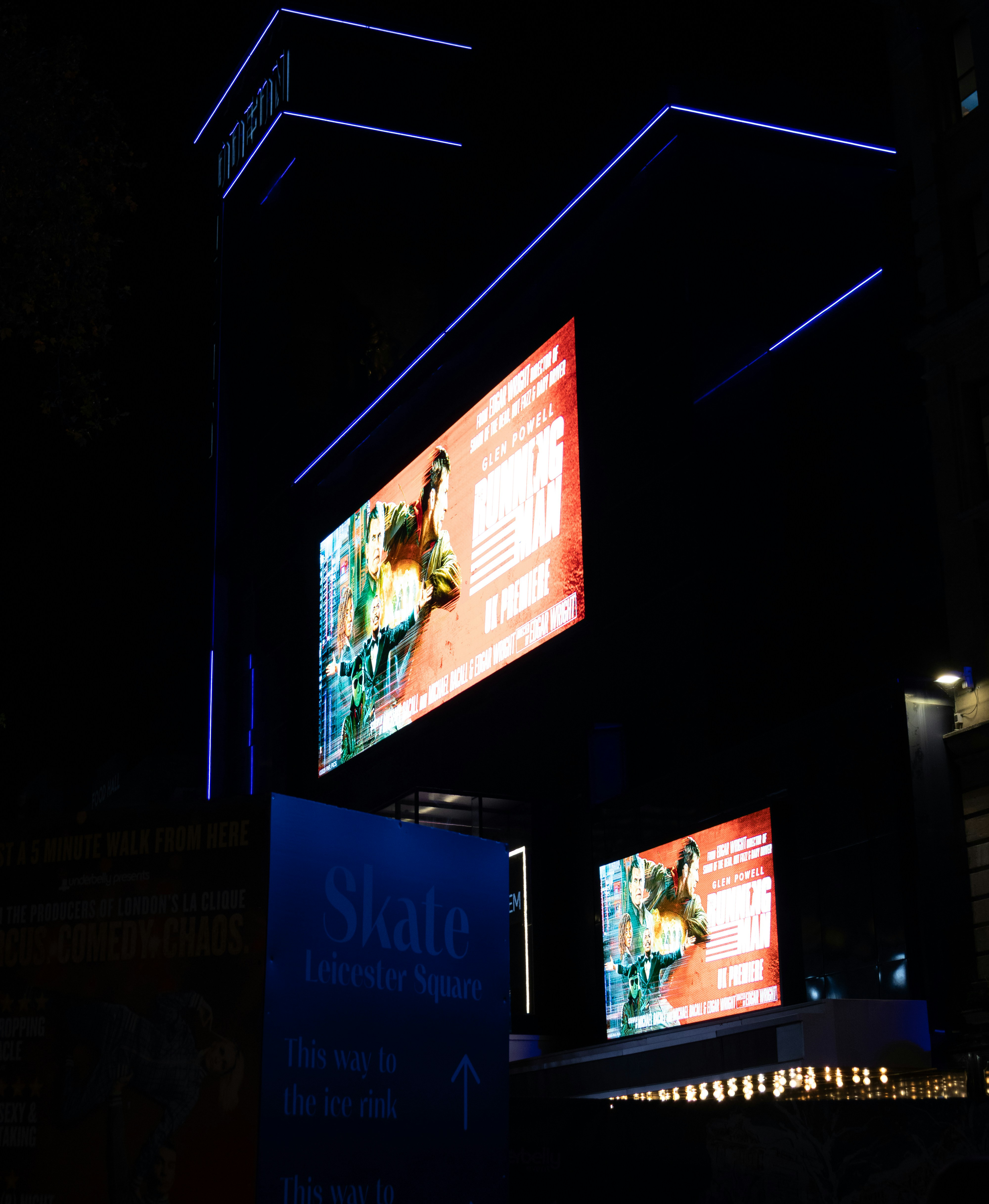
The findings extend beyond advertising into broader questions about AI's role in creative production. The entertainment and film industries face similar challenges in balancing production efficiency with creative authenticity. Tools like AI FILMS Studio demonstrate how generative AI can accelerate creative workflows while maintaining quality standards that audiences expect.
The study's emphasis on authenticity aligns with broader trends in AI filmmaking, where successful projects often blend AI tools with human creative direction. As discussed in our previous coverage of Wisconsin's AI filmmaking course, educational institutions are teaching students to use AI as a creative amplifier rather than a replacement for human vision.
The Authenticity Paradox
The research reveals an interesting paradox: AI creative works best when it doesn't announce itself as artificial. This finding challenges assumptions about transparency in AI generated content. While ethical considerations around disclosure remain important, user behavior suggests that audiences prioritize quality and relevance over production method.
For creative professionals, the study offers both reassurance and a challenge. AI tools have reached professional quality thresholds, but human insight remains essential for strategic direction and emotional authenticity. The most successful campaigns in the study combined AI efficiency with human curation and refinement.
Production at Scale
Taboola's platform processes billions of content recommendations daily, providing ideal conditions for testing AI creative at scale. The study tracked performance across diverse industries, audience segments, and creative formats. Consistency across these variables suggests the findings generalize beyond any single platform or content type.
Advertisers can now generate hundreds of ad variations for multivariate testing without proportional increases in production costs or timelines. This capability transforms campaign optimization from a resource constrained process into a standard practice. The data shows that AI tools democratize access to sophisticated creative testing previously available only to large brands with substantial budgets.
Beyond Advertising
While the study focused on advertising performance, its implications reach into entertainment, education, and media production. The same generative AI technologies powering ad creative are being adapted for film production, educational content, and interactive experiences. Understanding how AI creative performs in measurable commercial contexts provides valuable insights for these adjacent fields.
The research methodology itself offers a template for evaluating AI tools in creative industries. Rather than relying on subjective assessments or limited pilot tests, large scale field studies with rigorous controls can provide evidence based guidance for adopting new technologies.
Sources
Taboola Press Release: "AI Ads That Work: How AI Creative Stacks Up Against Humans" Published: January 29, 2026 https://www.taboola.com/press-releases/genai-ads-study-2026/
ExchangeWire Analysis: "Taboola, Columbia University Research Shows GenAI Ads Perform Just as Well as Human-Made Content" Published: January 29, 2026 https://www.exchangewire.com/blog/2026/01/29/taboola-columbia-university-research-shows-genai-ads-perform-just-as-well-as-human-made-content/
Columbia Business School Case Study: "AI in Disguise: The Taboola GenAI Ad Maker" https://caseworks.business.columbia.edu/caseworks/ai-disguise-taboola-genai-ad-maker
PR Newswire: "New Study: AI Ads Match Human Creative" Published: January 28, 2026 https://www.prnewswire.com/apac/news-releases/new-study-ai-ads-match-human-creative-in-major-report-from-columbia-university-harvard-university-technical-university-of-munich-and-carnegie-mellon-university-taboola-data-shows-ai-wins-by-appearing-authentically-human-and-p-302672331.html
Continue Reading
.jpg?w=3840)


Video & LipSync
- Video Generator
- Text to Video
- Image to Video
- Start-End Frame to Video
- Draw to Video
- Motion Control
- Video Enhancer
- Video Upscaler
- Video Extend
- Video to Video LipSync
- Audio to Video LipSync
- Image to Video LipSync
- Video FaceSwap
- Seedance 2.5
- WAN 3.0
- Seedance 2
- FLUX 3
- Minimax H3
- Vidu Q3 Pro
- Grok Imagine Video 1.5
- Gemini Omni
- Google Veo 3.1
- Kling 3.0 Pro
- Luma Ray 3.2
- LTX 2.3
- Happy Horse 1.1
- Kling 3.0 Motion
- ByteDance Upscaler
- InfiniteTalk
- InsightFace
Image & Edit
- AI Character
- AI Actor
- Art Generator
- Text to Image
- Image to Image
- LoRA Image to Image
- Draw to Edit
- Image LoRA Training
- Remove Background
- Image Enhancer
- MidJourney 8.0
- Krea 2
- OpenAI GPT Image 2.0
- Nano Banana Pro Ultra
- Nano Banana 2 Lite
- Nano Banana Pro
- Minimax Image
- Clarity Pro
- Z-Image Turbo LoRA
- Krea 2 Turbo LoRA
- Z-Image LoRA Trainer
- Qwen Image LoRA Trainer
- Background Erase Network 2 (BEN2)