
UW-Stout Launches AI-Assisted Film Production Course: Baseline Competency for 2026
Share this post:
UW-Stout Launches AI-Assisted Film Production Course: Baseline Competency for 2026
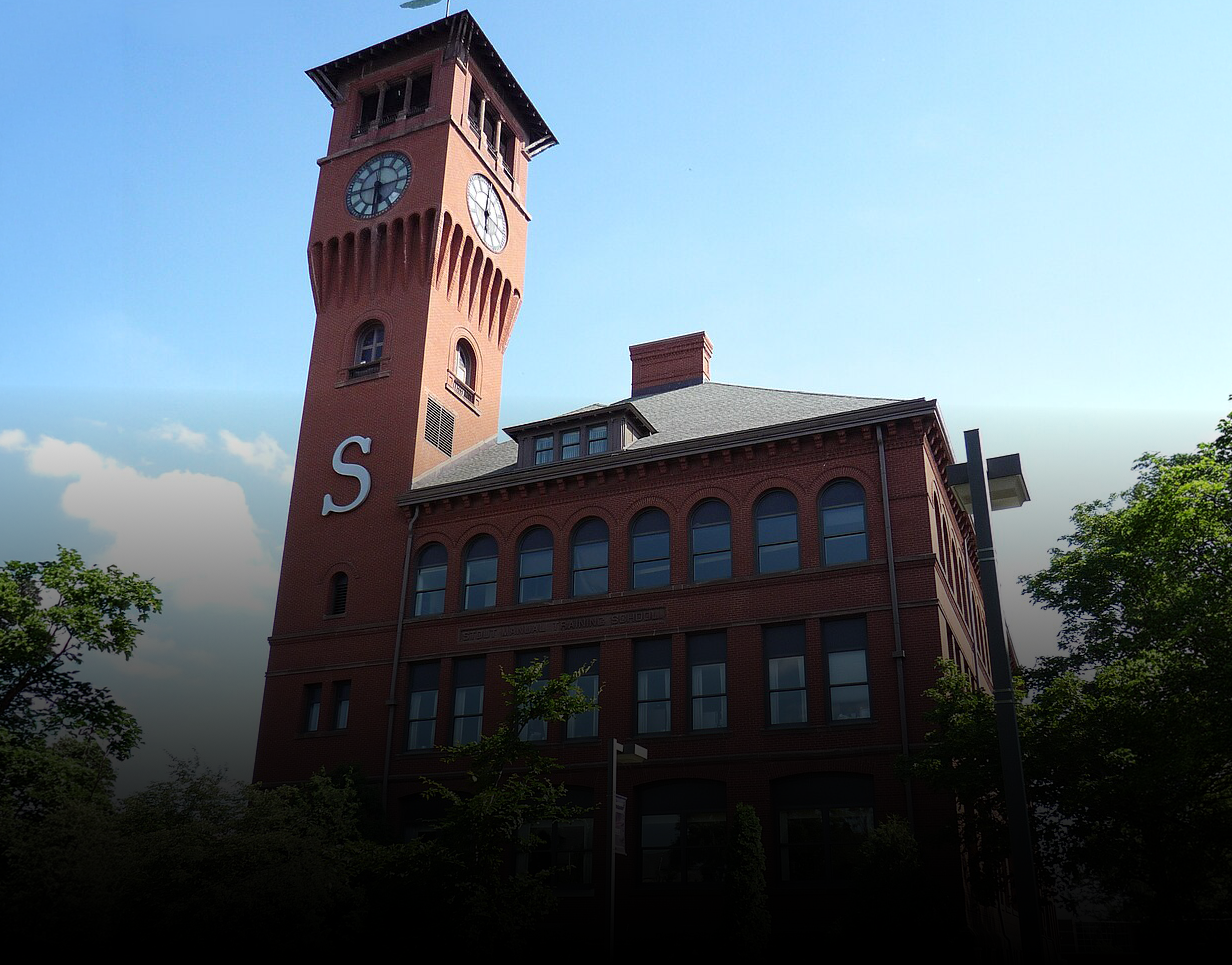
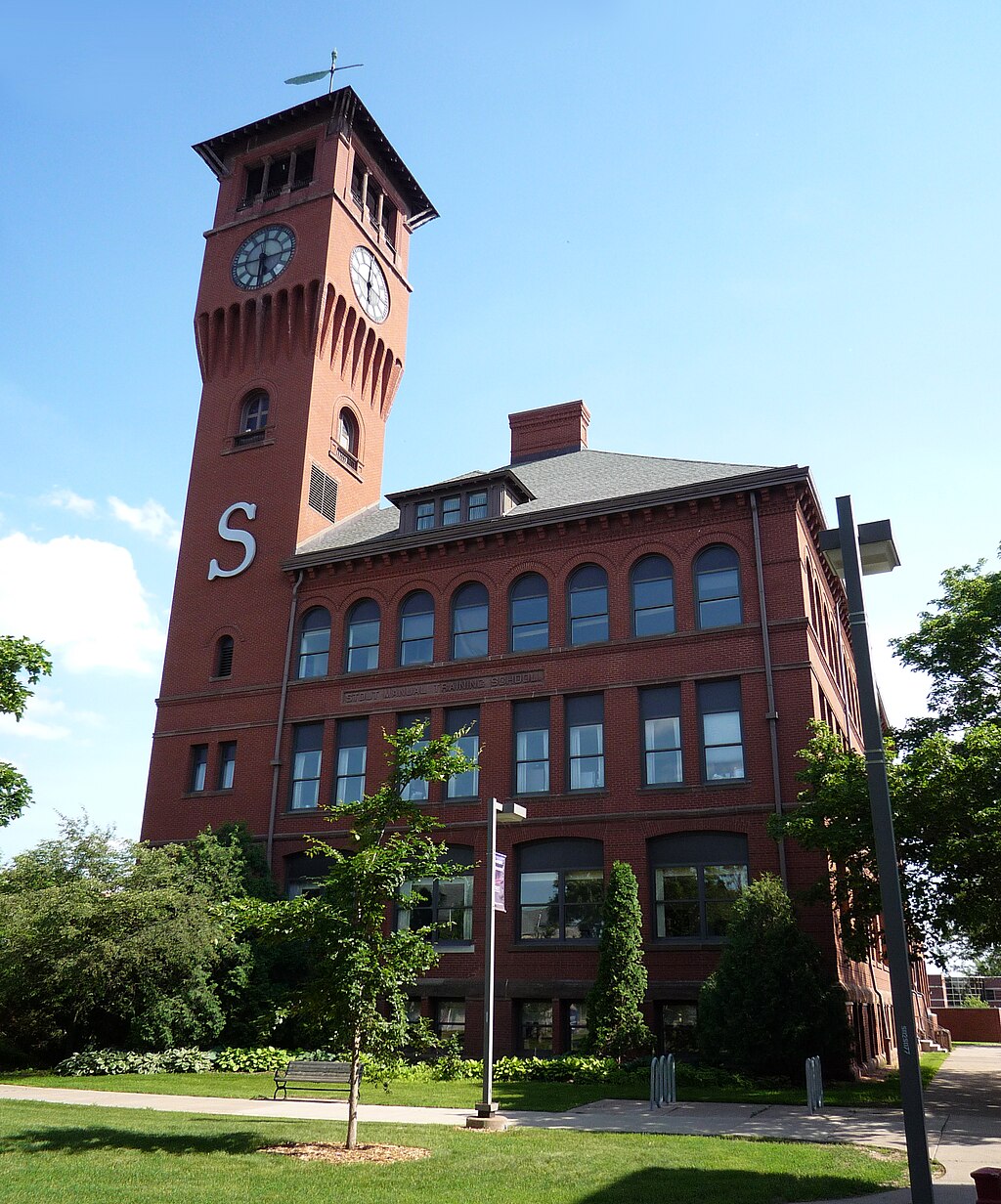
On January 12, 2026, the University of Wisconsin-Stout announced the launch of its AI-Assisted Film and Video Production course. This represents a significant shift in academic approach. UW-Stout, known as Wisconsin's Polytechnic University, moves from a defensive "academic integrity" posture to an offensive "career readiness" strategy. The course treats AI not as a cheat code, but as a foundational technical skill for future filmmakers.
The announcement followed a January 14 industry impact piece that positioned the course as setting AI-use as baseline competency in filmmaking. Program Director Keif Oss and Assistant Professor Jonny Wheeler lead the curriculum development, preparing students for an industry where AI tools are standard equipment rather than optional extras.
From Academic Integrity to Career Readiness
Universities have spent years developing policies to prevent AI cheating. UW-Stout pivots to an offensive strategy. The course treats AI as baseline competency, similar to how After Effects or Premiere Pro became essential skills over the past decade.
"We are not teaching students how to cheat with AI. We are teaching them how to use AI as a professional tool," said Program Director Keif Oss. "The film industry is adopting these tools rapidly. Our graduates need to enter the workforce with practical AI skills, not theoretical knowledge."
Assistant Professor Jonny Wheeler emphasizes the career readiness focus. "Employers will expect AI competency from new hires. We are preparing students for the reality of modern production environments, not defending outdated academic boundaries."
The "Relic" Prototype: Proof of Concept
Professor Jonny Wheeler's short film "Relic" demonstrates the course's practical applications. The film used AI to cast an intelligent ape as the lead character. This would be impossible on an indie budget without AI tools.
"Relic" shows how AI can solve production challenges that previously required massive budgets. The ape character maintains consistent appearance and performance throughout the film. This demonstrates the technical capabilities students will learn in the course.
The film serves as a prototype for student projects. It proves that AI tools can produce professional results when used correctly. Students will analyze "Relic" to understand both the technical execution and creative possibilities of AI-assisted filmmaking.
Course Tool Stack: Runway, Sora, and ElevenLabs
The curriculum focuses on a specific suite of industry-standard tools. This ensures graduates enter the workforce with relevant, practical experience.
Video Generation
Runway Gen-4 provides consistent character generation. Students learn to maintain character appearance across multiple scenes. This addresses one of the biggest challenges in AI video production.
OpenAI Sora 2 handles high-fidelity video output. The tool produces cinematic quality footage suitable for professional projects. Students learn to balance quality with generation speed and cost.
Audio Production
ElevenLabs generates voice and sound design. The tool creates natural-sounding dialogue and environmental audio. Students learn to integrate AI audio with AI video for complete productions.
Suno handles music composition. The AI generates original scores that match visual content. Students learn to direct AI music creation rather than relying on stock libraries.
Human-Centric Filmmaking Philosophy
The faculty emphasizes that AI cannot replace human performance. Nuanced acting remains the "soul" of the story. AI handles the technical "grunt work" of environments and visual effects.
"AI is a tool, not a replacement for creativity," said Wheeler. "The best results come from human direction combined with AI execution. We teach students to be directors of AI systems, not passive users."
The course balances technical skills with artistic development. Students learn prompt engineering, but also learn traditional filmmaking principles. The AI tools enhance, rather than replace, human creativity.
This philosophy prepares students for real-world production. AI tools handle repetitive tasks, allowing filmmakers to focus on creative decisions. The course teaches students to identify which tasks to automate and which to handle manually.
What This Means for the Film Industry
Industry Shift
Academia acknowledging AI as a permanent fixture marks a significant industry shift. Universities traditionally resist new technologies. UW-Stout's proactive approach signals that AI is here to stay.
The course prepares students for AI-native production environments. Graduates will enter the workforce expecting to use AI tools daily. This changes how production companies structure their workflows.
"Film schools that ignore AI will produce graduates unprepared for the industry," said Oss. "We are choosing to lead rather than follow. Our students will be the first generation with formal AI filmmaking training."
Job Market Implications
Employers will expect AI competency from new hires. The course creates a new standard for film education. Graduates without AI skills will face competitive disadvantages.
New job roles are emerging. AI cinematographer, AI VFX supervisor, and AI post-production specialist positions require specific technical knowledge. UW-Stout's course prepares students for these roles.
The curriculum addresses the skills gap between traditional film education and industry needs. Students learn both traditional filmmaking and AI tool operation.
Tool Comparison: Academic vs Professional Platforms
UW-Stout's curriculum focuses on industry-standard tools. AI FILMS Studio provides access to many of these same tools in a professional environment.
Video Generation:
- UW-Stout teaches: Runway Gen-4, OpenAI Sora 2
- AI FILMS Studio offers: OpenAI Sora, Kling AI v2.1, Google Veo 3
Audio Production:
- UW-Stout teaches: ElevenLabs, Suno
- AI FILMS Studio offers: ElevenLabs, AI Sound FX, AI Voice Generator
Workflow Integration:
- UW-Stout teaches: Individual tool operation
- AI FILMS Studio provides: Nodes workflow system to connect multiple AI tools
The professional platform offers additional tools like Kling AI, Google Veo, and integrated workflows. Graduates can expand their toolset beyond academic curriculum.
How to Enroll and Program Details
The AI-Assisted Film and Video Production course is available through UW-Stout's Film and Video Production program. Interested students can contact the faculty directly.
Program Director: Keif Oss, ossk@uwstout.edu Assistant Professor: Jonny Wheeler, wheelerjo@uwstout.edu
The course requires basic filmmaking knowledge as a prerequisite. Students should understand traditional production concepts before learning AI applications.
The program includes both theoretical and practical components. Students learn the technical operation of AI tools and apply them to creative projects. The course culminates in a final project that demonstrates mastery of AI-assisted filmmaking.
Key Takeaways
January 12, 2026: UW-Stout launches first AI-Assisted Film and Video Production course treating AI as baseline competency.
Career Readiness Focus: The course shifts from academic integrity defense to career readiness strategy.
Tool Stack: Runway Gen-4, OpenAI Sora 2, ElevenLabs, and Suno form the core curriculum.
Human-Centric Approach: AI handles technical work, humans provide creative direction and performance.
Industry Impact: The course prepares students for AI-native production environments and emerging job roles.
Professional Path: Graduates can continue their work with AI FILMS Studio's professional tools and workflows.
Sources and Additional Reading
Official Announcement (Jan 12): "On the vanguard: An artificial intelligence filmmaking course emerges at UW-Stout"
Industry Focus (Jan 14): "AI reshaping industry: New UW-Stout course sets AI-use as baseline competency in filmmaking"
Program Contact: Keif Oss (ossk@uwstout.edu), Jonny Wheeler (wheelerjo@uwstout.edu)
AI FILMS Studio Professional Tools: https://studio.aifilms.ai
Continue Reading
.jpg?w=3840)


Video & LipSync
- Video Generator
- Text to Video
- Image to Video
- Start-End Frame to Video
- Draw to Video
- Motion Control
- Video Enhancer
- Video Upscaler
- Video Extend
- Video to Video LipSync
- Audio to Video LipSync
- Image to Video LipSync
- Video FaceSwap
- Seedance 2.5
- WAN 3.0
- Seedance 2
- FLUX 3
- Minimax H3
- Vidu Q3 Pro
- Grok Imagine Video 1.5
- Gemini Omni
- Google Veo 3.1
- Kling 3.0 Pro
- Luma Ray 3.2
- LTX 2.3
- Happy Horse 1.1
- Kling 3.0 Motion
- ByteDance Upscaler
- InfiniteTalk
- InsightFace
Image & Edit
- AI Character
- AI Actor
- Art Generator
- Text to Image
- Image to Image
- LoRA Image to Image
- Draw to Edit
- Image LoRA Training
- Remove Background
- Image Enhancer
- MidJourney 8.0
- Krea 2
- OpenAI GPT Image 2.0
- Nano Banana Pro Ultra
- Nano Banana 2 Lite
- Nano Banana Pro
- Minimax Image
- Clarity Pro
- Z-Image Turbo LoRA
- Krea 2 Turbo LoRA
- Z-Image LoRA Trainer
- Qwen Image LoRA Trainer
- Background Erase Network 2 (BEN2)