
What Audiences Really Think About AI in Filmmaking: 2026 Data Analysis
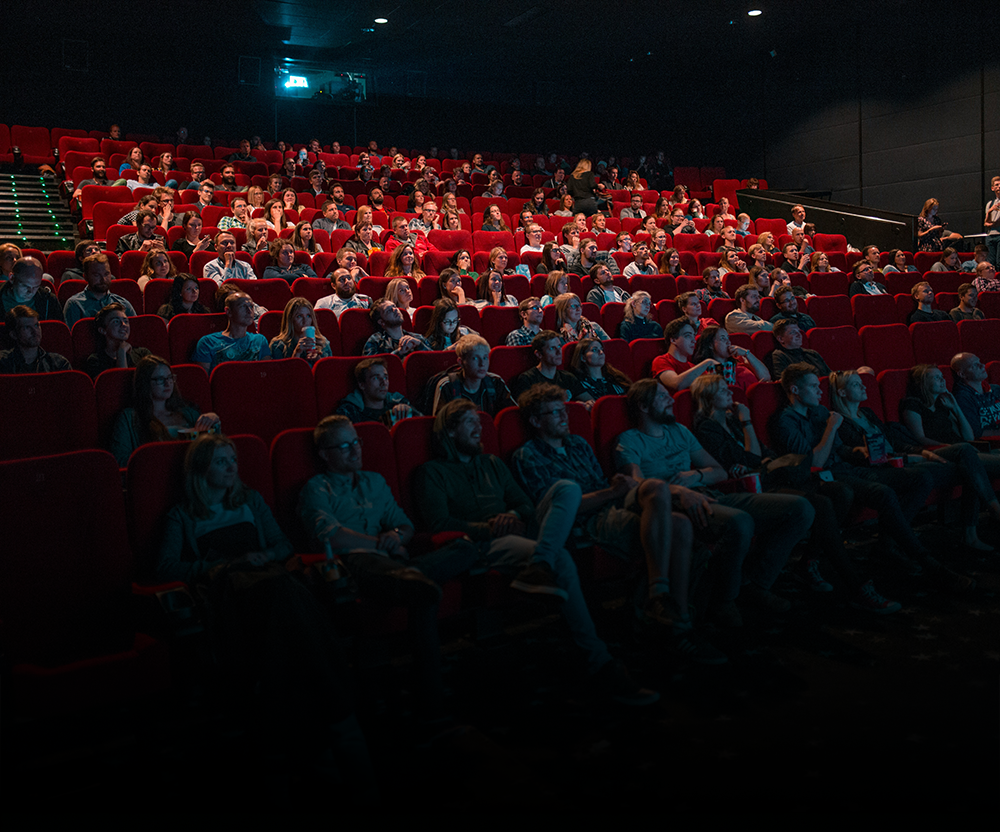
Cinema audience experiencing immersive content | Photo by Krists Luhaers on Unsplash
Share this post:
What Audiences Really Think About AI in Filmmaking: 2026 Data Analysis
A February 2025 YouGov poll delivered findings that initially seem contradictory: 86% of consumers demand disclosure when AI appears in media production, yet 61% consider AI use during filmmaking acceptable or have no strong opinion. The tension between these numbers reveals something more nuanced than simple acceptance or rejection. Audiences distinguish sharply between AI as creative tool and AI as human replacement.
This distinction matters as 2026 begins. Gen Z cinema attendance surged 25% in 2025 according to Cinema United's annual report, with that demographic averaging 6.1 theater visits per year. The youngest generation, often assumed most comfortable with AI, drives a theatrical comeback precisely because they value experiential, human created content screened on premium formats. Meanwhile 53% of consumers use AI daily according to Dentsu Creative's 2026 Trends Report, even as 50% seek less screen time overall.
The data paints a portrait of sophisticated audiences navigating contradictions: embracing AI efficiency while valuing human artistry, accepting technical assistance while rejecting creative replacement, demanding transparency while remaining open to innovation. For filmmakers, these findings provide clear guidance on how AI integration builds rather than erodes audience trust.
The Transparency Threshold: What 86% Really Means
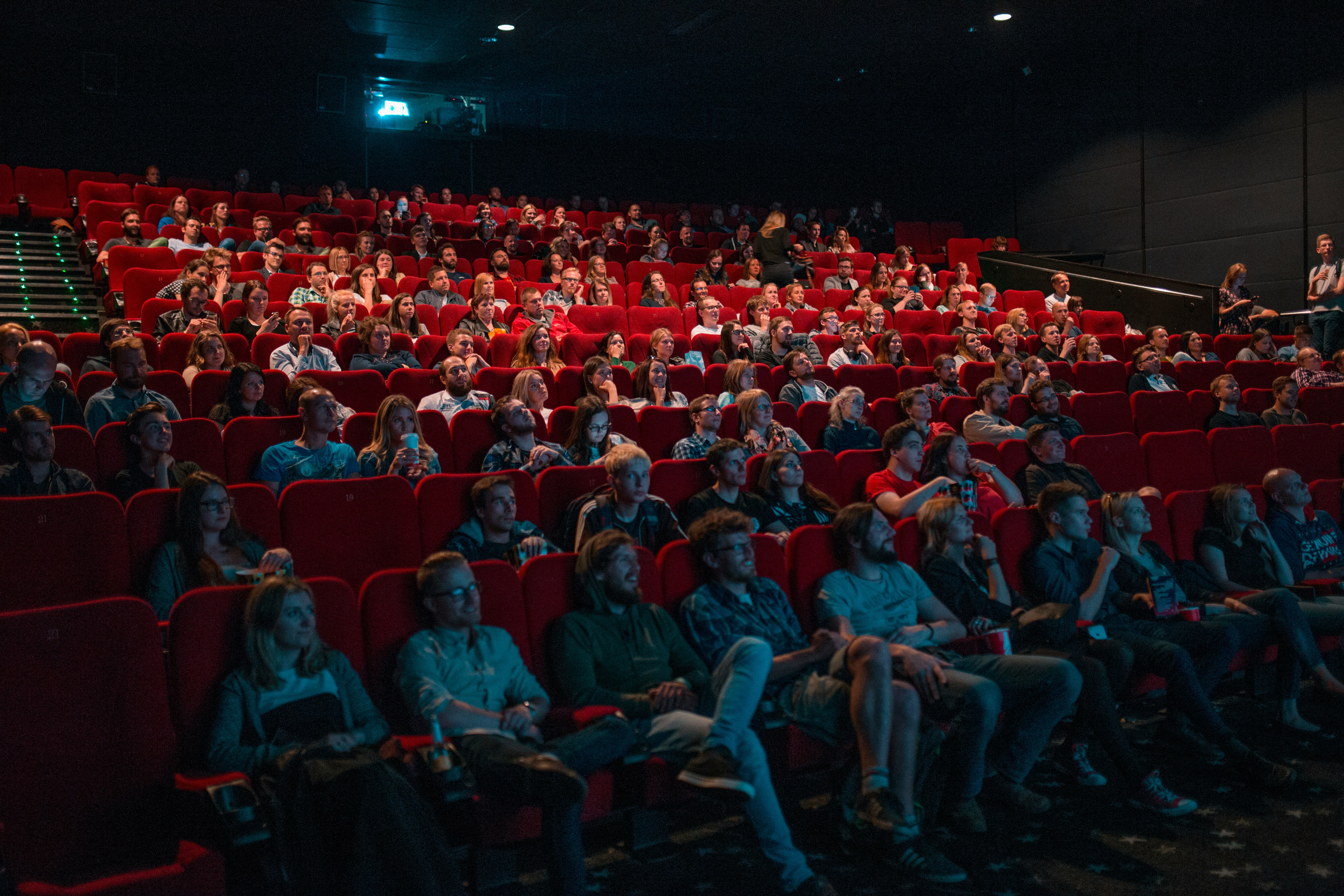
When YouGov asked consumers in February 2025 whether creators should disclose AI use in media production, 86% answered yes. The statistic makes headlines but requires context. The same poll revealed audiences support AI for visual effects and dialogue translation while opposing AI generated actors and screenwriting. Disclosure matters because audiences want to understand AI's role, not because they categorically reject its presence.
The "Tilly Norwood" incident in September 2025 illustrates the boundary. Particle6, a British startup, created an AI generated "actress" that reportedly attracted Hollywood talent agency interest. The claims proved dubious but the backlash revealed audience sentiment: digital avatars replacing human performers cross a line that VFX assistance does not.
"Late Night with the Devil" demonstrated transparency's importance through negative example. The 2024 horror film used AI to generate a few graphics for a fictional talk show. Viewers likely would never have noticed the AI involvement had information not leaked online, triggering intense criticism on platforms like Letterboxd. Comments like "it actually feels insulting, like the filmmakers don't give a shit" and "being an artist has never felt so hopeless" appeared not because AI generated a few background graphics but because the production failed to disclose its use upfront.
The lesson: audiences accept AI when they understand its role and believe human creativity drives the project. Undisclosed AI feels deceptive. Disclosed AI becomes a production choice audiences can evaluate alongside other creative decisions.
What Audiences Accept: The Tool Category
When YouGov probed specific AI applications in filmmaking, clear patterns emerged. Respondents generally supported using AI for:
Visual Effects and Environment Creation: Digital crowd multiplication, environment extensions, and impossible practical effects receive approval. These applications enhance human directed vision rather than replacing creative decision making. Zhang Shiyu's work generating digital armies for Chinese micro dramas exemplifies this category. The AI executes technical tasks that would consume budget and time, freeing human artists for creative choices.
Translation and Localization: Dialogue translation and dubbing assistance help content reach global audiences. The AI handles linguistic mechanics while preserving original performances and directorial intent. Audiences recognize these tools expand access rather than diminish artistry.
Technical Enhancement: Color grading assistance, resolution upscaling, frame rate interpolation, and restoration work fall into acceptable territory. These applications improve technical quality without replacing creative roles. Audiences understand the difference between AI correcting a technical limitation and AI making aesthetic decisions.
Production Efficiency: Background tasks like script coverage, continuity checking, and scheduling optimization use AI where human judgment matters less. Huace Group's custom LLM evaluating 1.2 million word novels in hours rather than weeks represents efficiency gain, not creative replacement. Human decision makers still greenlight projects based on artistic merit and market potential.
The common thread: audiences accept AI that augments human capability while keeping creative control with people. The technology functions as sophisticated tool, not autonomous creator.
What Audiences Reject: The Replacement Category
The same polling revealed strong opposition to:
AI Generated Performances: Whether fully synthetic actors like "Tilly Norwood" or AI replicating human performers without their involvement, audiences oppose performance replacement. The parasocial bonds viewers form with actors, the craft of physical performance, and ethical questions about likeness rights all contribute to this boundary.
AI Written Scripts: While audiences accept AI assistance in script analysis and evaluation, they reject AI authored screenplays. Writing represents fundamental creative expression where human experience, perspective, and intention matter irreplacibly. The 78% supporting greater AI regulation likely stems partially from concerns about AI displacing screenwriters.
Undisclosed AI Usage: Even when AI applications fall into acceptable categories, lack of disclosure triggers backlash. Transparency functions as prerequisite for audience trust. Productions that hide AI involvement face harsher judgment than those openly explaining their approach.
AI Replacing Human Artistry: The distinction between tool and replacement matters critically. AI that executes human vision: acceptable. AI that generates vision independently: problematic. Audiences want to believe human creativity drives projects they invest time experiencing.
The rejection pattern reveals audiences value the human element in storytelling. They watch films to connect with human experiences, perspectives, and artistry. AI that facilitates human expression: welcome. AI that supplants it: unwelcome.

The Gen Z Paradox: Digital Natives Choose Theaters
Cinema United's 2025 Strength of Theatrical Exhibition report revealed Gen Z moviegoers attend theaters 6.1 times annually, up from 4.9 the previous year. Among Gen Z, 41% attended six or more films in 2025 compared to 31% in 2022. The 25% year over year attendance growth represents the largest increase of any demographic.
This surge occurs among the generation most comfortable with digital technology, AI tools, and streaming platforms. Gen Z grew up as digital natives yet they're driving theatrical comeback. The pattern suggests something beyond technological preference.
McKinsey data included in the Cinema United report identifies what Gen Z seeks: immersive moviegoing experiences and unique concessions. Premium large format screens, deluxe seating, food and beverage service at seats. They want experiences impossible to replicate at home. Theater owners responded with over $1.5 billion in North American facility upgrades during the past year.
The connection to AI acceptance becomes clear: Gen Z distinguishes between convenient digital tools and valued human experiences. They use AI for efficiency (53% of consumers use AI daily per Dentsu) while seeking experiential, human crafted entertainment. Streaming offers convenience. Theaters offer experience. AI provides tools. Human filmmakers provide artistry.
The generation comfortable with AI doesn't want everything AI generated. They want thoughtful integration where AI empowers human creativity rather than replacing it. Their theatrical attendance surge signals they'll support productions that use technology to enhance rather than automate the human creative process.
Anime and video game adaptations drove much of Gen Z's theatrical engagement in 2025. These genres blend traditional artistry with digital creation. They demonstrate how technology and human creativity combine to produce experiences audiences value enough to leave home and pay premium prices to experience collectively.
The Hybrid Reality: Living With Digital
Futuresource Consulting's "Living with Digital" survey polled over 20,000 consumers across 10 countries in November 2025. The results revealed 65% engage with both cinema and digital content, with 24% higher activity among those embracing both platforms compared to single platform users. The finding contradicts zero sum thinking where streaming kills theaters or vice versa.
Instead, engaged audiences consume content across platforms based on format appropriateness. Theatrical experiences for immersive, communal viewing. Streaming for convenience and breadth. The platforms serve different needs rather than competing for exclusive attention.
This hybrid consumption pattern extends to AI acceptance. Audiences don't categorically embrace or reject AI across all contexts. They evaluate appropriateness based on application, disclosure, and creative intent. The same consumer might enthusiastically use AI video tools for personal projects while opposing AI actors in theatrical releases.
The key insight: audiences think contextually rather than categorically about technology. A sophisticated understanding of when AI enhances versus when it diminishes guides their acceptance. Filmmakers who recognize this nuance position themselves to build rather than erode trust.

The Quality Perception Problem
ProVideo Coalition's December 2025 roundtable discussion highlighted an emerging concern: generative AI video increasingly perceived as "cheap" by consumers. The association between AI generated content and low production values creates reputational risk that pushes some productions back toward traditional human led workflows.
This perception matters because audiences use production quality as proxy for creative investment. High quality signals care, expertise, and resources devoted to worthy storytelling. Low quality suggests corner cutting or lack of creative commitment. When AI becomes associated with the latter category, it carries negative brand implications regardless of actual capabilities.
The challenge for filmmakers: demonstrating AI enhances rather than cheapens production. Transparent disclosure about how AI serves creative vision helps counter quality perception problems. When audiences understand AI generated digital crowds in an epic battle scene, they appreciate the efficiency. When they suspect AI replaced human effort wholesale, they question the production's artistic merit.
This creates opportunity for filmmakers committed to quality. By combining AI efficiency with evident human craftsmanship, productions can deliver high quality at better budgets while maintaining audience confidence. The key lies in making AI invisible in service of visible human creativity rather than letting AI artifacts become the defining aesthetic.
The perception problem also creates market differentiation opportunity. As some productions lean heavily into obvious AI generation, others can position themselves as human crafted with AI assistance. The latter approach aligns with audience preferences revealed in polling data.
Transparency as Competitive Advantage
With 86% demanding disclosure and 78% supporting greater regulation, transparency moves from ethical imperative to strategic advantage. Productions that openly communicate AI use, explain its role, and demonstrate human creative control position themselves favorably with audiences.
Consider implementing structured disclosure:
Opening Credits Acknowledgment: Simple statement like "This production used AI for crowd generation and environment extension under human creative direction." Establishes transparency immediately and frames AI as tool rather than replacement.
Production Notes: Behind the scenes content explaining how AI served creative vision. Show human artists directing AI outputs, iterating on results, integrating AI elements into human crafted whole. The process documentation demonstrates creative control.
Platform About Pages: Detailed breakdowns for interested audiences. Which tools were used, for what purposes, under whose direction. Satisfies transparency demand while educating audiences about production realities.
Marketing Messaging: Frame AI as production innovation enabling better storytelling rather than cost cutting measure. Emphasize how AI freed resources for other creative priorities or enabled previously impossible sequences.
Transparency doesn't require exhaustive technical detail. Most audiences care about broad strokes: who made creative decisions, what AI handled, why those choices served the story. Clear communication on these points builds trust that secretive approaches erode.
Early adopters of transparent AI disclosure may gain competitive advantage as regulation catches up. When disclosure becomes mandatory, productions already communicating openly will adapt easily while those hiding AI use face credibility problems.
The Authenticity Economy
Dentsu Creative's finding that 50% of consumers seek less screen time even as 53% use AI daily reveals deeper values. Audiences pursue authentic experiences and human connection even while embracing technological convenience. This creates space for filmmaking that thoughtfully integrates AI while centering human artistry.
The theatrical resurgence during streaming's dominance demonstrates audiences will pay premiums for experiences they value. They'll stream convenient content for free while spending $15 plus concessions for theatrical experiences. Quality and human touch command value in ways pure technological capability cannot.
For filmmakers, this suggests positioning strategy: AI empowered human creativity rather than AI generated content. The former aligns with what audiences value. The latter triggers concerns about authenticity and artistic merit. The distinction appears subtle but matters profoundly.
Productions should ask: does this AI application empower human vision or replace it? Does it expand creative possibility or simply reduce costs? Will audiences perceive it as innovation enabling better storytelling or corner cutting undermining craft? The answers guide whether and how to deploy AI.
The authenticity economy also rewards transparency. Audiences trust productions that openly explain choices over those obscuring them. Disclosure builds credibility that secrecy destroys, even when the underlying AI use might be acceptable to audiences if properly communicated.
Practical Implications for Filmmakers
The polling data and attendance patterns suggest clear strategic approaches:
Lead with Transparency: Disclose AI use upfront and explain how it serves creative vision. The 86% demanding disclosure represents majority consensus that productions can either embrace proactively or face as eventual regulation.
Emphasize Human Creative Control: Frame AI as tool empowering human artists rather than autonomous creator. Audiences accept the former while rejecting the latter. Show artists directing AI outputs, not AI replacing artists.
Target Appropriate Applications: Use AI where audiences accept it (VFX, technical enhancement, production efficiency) while avoiding areas of resistance (performance, writing, undisclosed usage). The polling data provides clear roadmap.
Invest in Experience: Gen Z's theatrical attendance surge demonstrates audiences value immersive, premium experiences. Productions should consider how AI efficiency can fund superior audience experiences rather than simply reducing budgets.
Build Hybrid Workflows: Combine AI efficiency with human craftsmanship. The 65% engaging across cinema and digital platforms demonstrate audiences think contextually about technology. Position productions similarly: right tool for each task.
Counter Quality Perception: Ensure AI augmented productions meet or exceed quality expectations. Use AI to enhance production values rather than replace human effort. Make results speak louder than process.
Educate Audiences: Behind the scenes content explaining AI's role helps audiences understand production realities. Education builds acceptance and appreciation for thoughtful AI integration.
Maintain Creative Standards: AI should enable better storytelling, not replace creative judgment. Productions that maintain artistic standards while gaining AI efficiency demonstrate the technology's best potential.
Looking Forward: The Creative Opportunity
The data reveals audiences less resistant to AI than headlines suggest. The 61% accepting AI in filmmaking or remaining undecided represents majority openness rather than categorical rejection. The resistance targets specific applications (replacement) while accepting others (assistance). This creates opportunity rather than obstacle.
Filmmakers who understand the distinction can leverage AI's efficiency gains while building audience trust through transparency. They can deliver higher production values at sustainable budgets. They can attempt sequences previously impossible due to practical limitations. They can experiment with techniques that would be too expensive to test through traditional methods.
The Gen Z attendance surge demonstrates younger audiences value human crafted experiences enough to leave streaming platforms and pay theatrical premiums. This generation's comfort with AI doesn't translate to preference for AI generated everything. They distinguish quality, seek authenticity, value human creativity. Productions delivering these qualities while intelligently deploying AI position themselves well.
The theatrical industry invested $1.5 billion in facility upgrades responding to audience preferences. That investment paid off with 25% Gen Z attendance growth. The parallel for AI: invest in transparent, ethical, human centered AI integration and audiences will reward productions with their attention and dollars.
Looking toward 2026 and beyond, the question shifts from "will audiences accept AI" to "how do we integrate AI in ways audiences value." The answer lies in transparency, human creative control, appropriate application selection, and demonstrated commitment to quality. Productions following this path don't just avoid backlash. They unlock creative possibilities while maintaining audience trust.
The future isn't AI replacing human filmmakers. It's human filmmakers empowered by AI tools producing content audiences value precisely because human creativity drives it. The polling data, attendance patterns, and consumption habits all point toward this hybrid reality. Filmmakers who embrace it thoughtfully will thrive while those fighting it or hiding behind it will struggle. More recent data from Alvarez & Marsal's March 2026 study of 2,000 consumers confirms this direction: 51% of respondents said they would pay full ticket prices for a 100% AI generated film if the story is compelling.
Building the Framework
As the industry navigates AI integration, several frameworks emerge from the data:
The Disclosure Framework: When in doubt, disclose. The 86% demanding transparency represents super majority consensus. Early transparent disclosure builds more trust than forced revelation after criticism.
The Tool Test: Ask whether AI functions as tool empowering human vision or replacement reducing human involvement. Audiences accept the former while rejecting the latter.
The Quality Standard: Ensure AI augmented work meets or exceeds audience expectations for production values. Counter the "cheap" perception through demonstrable quality.
The Experience Premium: Consider how AI efficiency can fund superior audience experiences rather than simply reducing costs. The theatrical resurgence shows audiences pay for experiences they value.
The Human Emphasis: Center human creativity, decision making, and artistry in all messaging. Frame AI as enabling rather than driving creative choices.
The Context Consideration: Evaluate AI appropriateness based on specific application, not categorical acceptance or rejection. Different uses warrant different approaches.
The Education Opportunity: Use behind the scenes content to help audiences understand production realities and AI's thoughtful integration.
These frameworks align with revealed audience preferences while providing practical guidance for production decisions. They position AI as opportunity rather than threat, tool rather than replacement, innovation rather than corner cutting.
The Optimistic Case for AI Filmmaking
The data supports optimism. Audiences accept AI in appropriate contexts. Gen Z drives theatrical comeback while using AI daily. Hybrid consumption patterns show contextual thinking rather than categorical rejection. The 61% open to AI in filmmaking represents majority opportunity.
For indie filmmakers, AI tools democratize capabilities previously requiring major studio resources. Digital crowd generation, environment extension, VFX that would cost hundreds of thousands become accessible. Stories that couldn't reach production due to budget constraints become viable.
For established productions, AI efficiency frees resources for other creative priorities. Money saved on rotoscoping can fund additional shoot days. Time saved on VFX allows more iteration. Budget freed from practical effects enables location upgrades or talent investments.
For experimental filmmakers, AI enables techniques impossible through traditional methods. Real time generation allows interactive storytelling. Style transfer creates aesthetic approaches practical methods couldn't achieve. The technology expands rather than constrains creative possibility.
For global content, AI translation and localization tools help stories reach worldwide audiences. Breaking language barriers increases potential markets while preserving original performances.
The key across all contexts: AI empowers human filmmakers rather than replacing them. The technology serves vision rather than generating it. Creative control remains with people while efficiency improves and possibilities expand.
Audiences want this future. The polling shows acceptance of AI assistance. The theatrical attendance demonstrates value placed on human creativity. The hybrid consumption reveals contextual thinking about appropriate technology use. Filmmakers who align with these preferences will find audiences receptive rather than resistant.
The path forward combines transparency (disclose AI use), quality (maintain or exceed standards), creativity (center human artistry), and thoughtfulness (choose applications wisely). Productions following this path don't just avoid AI backlash. They demonstrate technology's best potential: empowering human creativity to reach new heights while maintaining the authentic connection audiences seek.
For a filmmaker's view on what that commitment to the audience actually requires, Christopher McQuarrie's Saturn Awards Visionary Award speech offers one of the clearest articulations of the idea that cinema's crisis is not streaming or AI. It is a failure to put the general audience first.
Continue Reading
.jpg?w=3840)


Video & LipSync
- Video Generator
- Text to Video
- Image to Video
- Start-End Frame to Video
- Draw to Video
- Motion Control
- Video Enhancer
- Video Upscaler
- Video Extend
- Video to Video LipSync
- Audio to Video LipSync
- Image to Video LipSync
- Video FaceSwap
- Seedance 2.5
- WAN 3.0
- Seedance 2
- FLUX 3
- Minimax H3
- Vidu Q3 Pro
- Grok Imagine Video 1.5
- Gemini Omni
- Google Veo 3.1
- Kling 3.0 Pro
- Luma Ray 3.2
- LTX 2.3
- Happy Horse 1.1
- Kling 3.0 Motion
- ByteDance Upscaler
- InfiniteTalk
- InsightFace
Image & Edit
- AI Character
- AI Actor
- Art Generator
- Text to Image
- Image to Image
- LoRA Image to Image
- Draw to Edit
- Image LoRA Training
- Remove Background
- Image Enhancer
- MidJourney 8.0
- Krea 2
- OpenAI GPT Image 2.0
- Nano Banana Pro Ultra
- Nano Banana 2 Lite
- Nano Banana Pro
- Minimax Image
- Clarity Pro
- Z-Image Turbo LoRA
- Krea 2 Turbo LoRA
- Z-Image LoRA Trainer
- Qwen Image LoRA Trainer
- Background Erase Network 2 (BEN2)