
Share this post:
Casey Affleck: AI as Creative Collaborator, Not Replacement
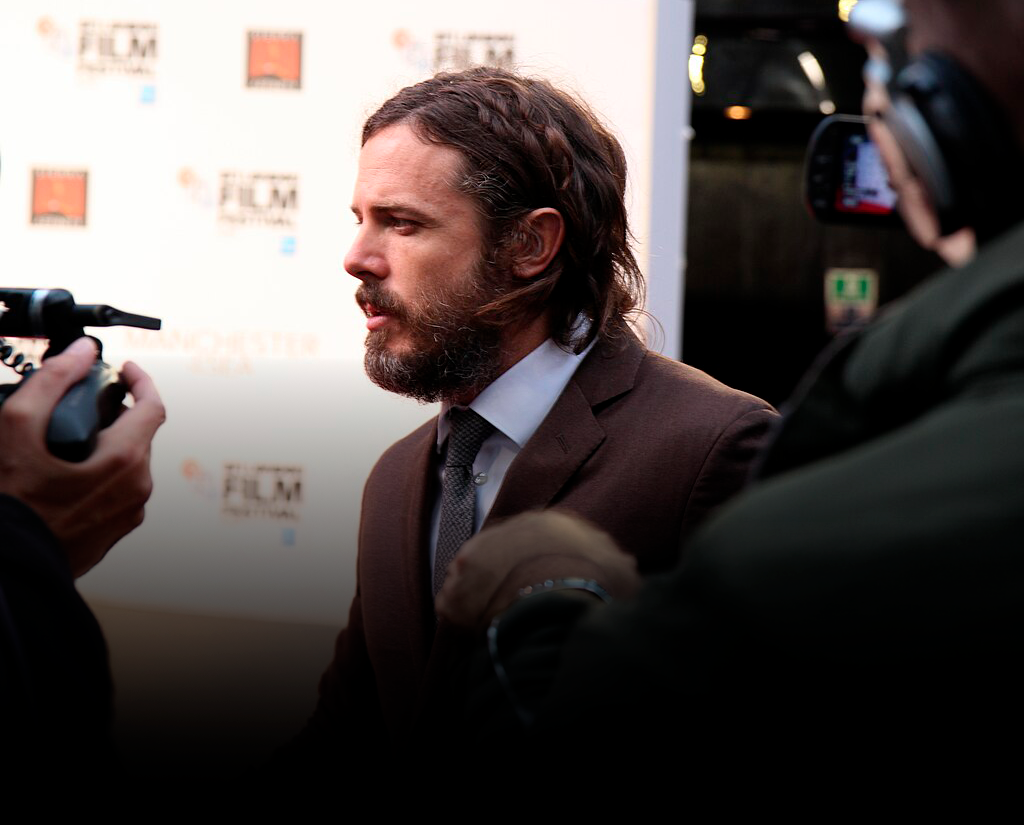
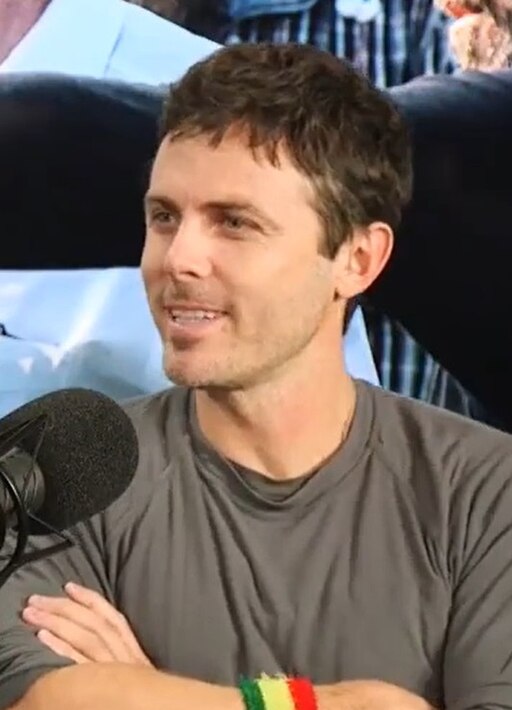
While his brother Ben made headlines this week calling AI "shitty" on the Joe Rogan Experience, Casey Affleck has emerged as Hollywood's pragmatic optimist on creative AI. His hands on work with Meta's Movie Gen through the Blumhouse partnership demonstrates a fundamentally different approach: viewing AI as a tool that expands creative possibilities rather than one that threatens artistic integrity.
The Collaborator Perspective
Casey Affleck's central thesis, articulated in recent interviews about the Blumhouse Meta collaboration, reframes the AI debate. "It's more like a collaborator than it is like a tool," he explained. This distinction matters because it shifts focus from replacement anxiety to capability expansion.
.jpg)
His practical experience centers on augmentation rather than generation. The Movie Gen workflow allows directors to edit and refine existing footage. Changing setting, adjusting lighting, or modifying backgrounds on shots already filmed. This addresses real production constraints: expensive location changes, unpredictable weather, and budget limitations that traditionally forced compromise.
The emphasis on editing existing material rather than generating from scratch positions AI as an enhancement to human creativity. Directors maintain control of core artistic decisions while gaining flexibility previously requiring reshoots or extensive VFX budgets.
Meta's Movie Gen in Practice
The Blumhouse Meta partnership provides Casey Affleck with access to tools specifically designed for filmmakers rather than general content creators. Movie Gen distinguishes itself through integration with existing production workflows.
According to reports from The A.V. Club covering the partnership, the technology focuses on practical problems. A shot filmed at wrong time of day can be adjusted to golden hour lighting. A location that appears too modern can be subtly aged. Background elements that distract from the subject can be removed or altered.
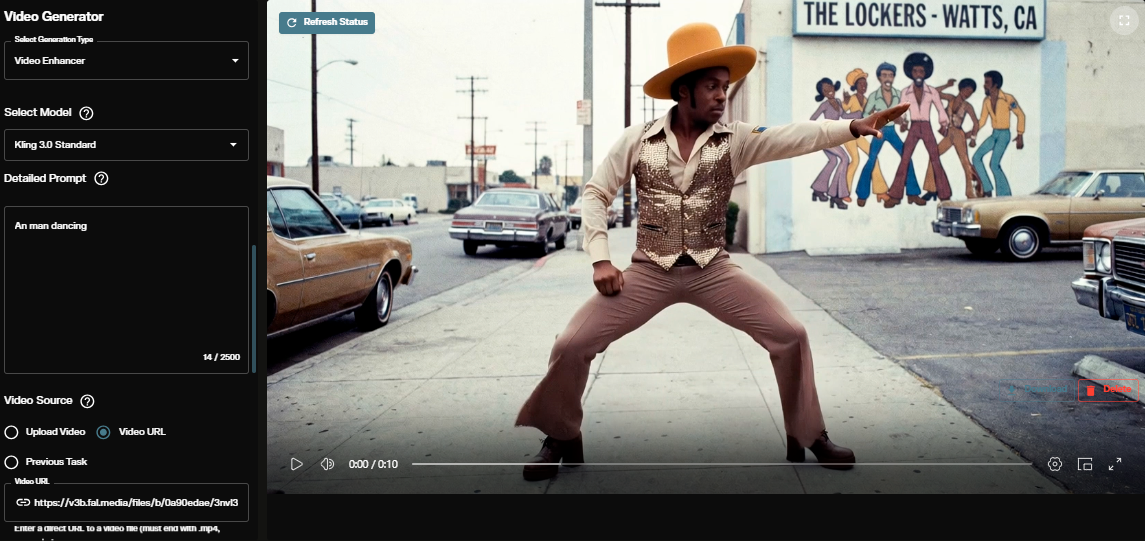
This approach contrasts sharply with pure generative systems. Rather than creating video from text descriptions, Movie Gen works from real footage as foundation. The distinction matters for maintaining photographic consistency and avoiding the temporal artifacts that characterize fully synthetic video.
For independent filmmakers, this model addresses the fundamental budget constraint: the inability to afford multiple location shoots, extensive lighting setups, or major set modifications. What previously required days of production time and tens of thousands in costs can now be handled through targeted adjustments to captured footage.
The Brother Contrast: Skeptic vs Pragmatist
Ben Affleck's widely circulated comments from the Joe Rogan Experience provide useful context for Casey's position. Ben's central argument: AI can produce "excellent imitative verse that sounds Elizabethan" but "cannot write you Shakespeare." He views AI as fundamentally limited to mediocrity because it "regresses to the mean" by averaging training data.
.jpg)
His assessment acknowledges utility for production economics. Making a $200 million movie for $20 million by automating labor intensive VFX work. But he dismisses creative application, viewing the technology strictly as cost reduction for "drudgery."
Ben's position has since proven more nuanced than it appeared. In March 2026, Netflix acquired InterPositive, his stealth AI filmmaking startup founded in 2022, which builds exactly the kind of post production enhancement tools he described: AI for relighting, VFX correction, and visual continuity, not for generating performances or replacing creative judgment.
Casey's perspective differs not in denying these limitations but in seeing opportunity where Ben sees constraint. If AI handles technical execution, human creativity can focus on vision and narrative. If budget barriers drop, stories previously impossible to film become feasible.
The divide reflects different production contexts. Ben works primarily within major studio systems where budget constraints, while real, differ from independent production realities. Casey's recent work spans both studio and independent projects, giving him direct experience with how budget limitations force creative compromise.
The Integration vs Generation Divide
The Affleck brothers represent a broader industry split. Two distinct philosophies about AI deployment are emerging, with different technical approaches and creative implications.
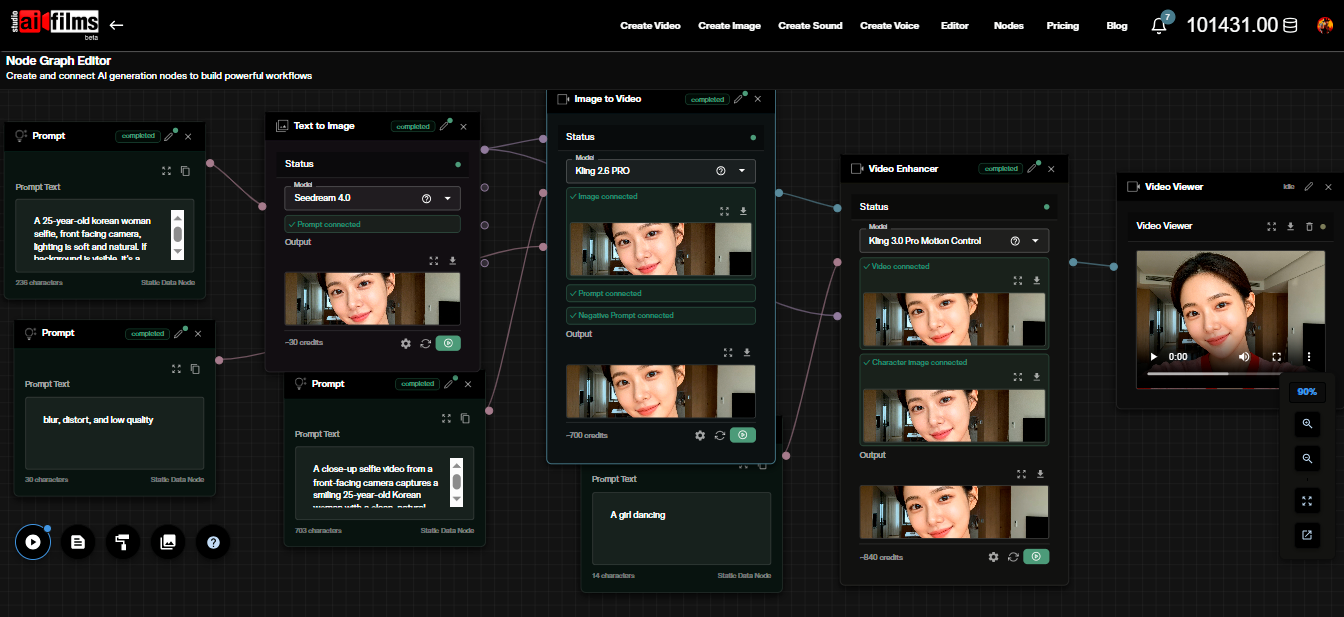
The Integration Camp, exemplified by Meta's Movie Gen and Adobe's Firefly suite, focuses on embedding AI capabilities within existing creative software. These tools appear inside Premiere Pro, After Effects, or dedicated production software. They enhance human directed workflows rather than replacing them. Filmmakers retain control while gaining capabilities previously requiring specialized expertise or extensive resources.
The Generation Camp, represented by systems like OpenAI Sora and similar text-to-video platforms, emphasizes creation from description. Users input prompts and receive generated content. This approach maximizes accessibility but raises authenticity concerns that Ben Affleck articulates.
Casey's embrace of the integration approach addresses the authenticity problem. When AI modifies real footage rather than generating synthetic video, the photographic foundation remains human captured. The director's framing, the actor's performance, the location's atmosphere all originate from traditional filmmaking. AI provides post-capture flexibility rather than synthetic replacement.
This distinction matters for creative legitimacy. Audiences and critics may question fully AI generated content. Modified real footage retains the credibility of traditional production while benefiting from enhanced flexibility.
Democratization for Independent Creators
Casey Affleck's argument centers on access. Tools that lower production barriers enable stories from creators who lack studio resources. This democratization thesis appears throughout his comments on the technology.
The specific example he provides, changing shot environments or lighting conditions, addresses problems independent filmmakers face constantly. A script calls for Paris but the budget allows Philadelphia. A scene requires night but scheduling forces day shooting. Traditional solutions involve expensive location travel, complex lighting setups, or script compromises that weaken the narrative.
AI integration provides alternatives. Shoot locally with the understanding that post-production modification can achieve the necessary aesthetic. This doesn't eliminate location value or cinematography skill. It provides flexibility when budget reality conflicts with creative vision.
The economic math shifts production feasibility. A project requiring $500,000 in traditional VFX to achieve its visual concept might now require $150,000. This changes which projects can secure financing and which creators can execute their vision.
For established filmmakers like Casey, this expands creative latitude. For emerging creators, it potentially lowers the barrier between concept and execution. The gap between "what I can afford to shoot" and "what the story requires" narrows substantially.
Why This Approach Matters
The integration versus generation divide has implications beyond technology choice. It affects how the film industry integrates AI tools, how audiences perceive AI assisted content, and which creators gain access to professional production capabilities.
Casey Affleck's public embrace of collaborative AI provides coverage for other filmmakers considering similar approaches. His credibility as an Academy Award winning actor and respected director legitimizes exploration of these tools beyond pure cost reduction.
The Blumhouse partnership specifically targets horror and thriller genres where visual manipulation serves narrative purpose. Altered environments, adjusted lighting, and modified atmospheres directly contribute to genre effectiveness. This genre specific application provides clear value demonstration.
For the broader industry, Casey's integration approach offers a middle path between pure rejection and uncritical adoption. Acknowledge AI limitations in replacing human creativity while embracing its capacity to expand creative possibility. Use it where it provides genuine value. Ignore it where traditional approaches remain superior.
While Ben Affleck's skepticism about AI's creative limitations resonates with concerns about artistic authenticity, Casey Affleck's collaborative approach offers independent creators a practical framework. By focusing on augmentation rather than replacement and integration rather than generation, AI tools can address real production constraints without sacrificing creative control.
The Blumhouse Meta partnership demonstrates this philosophy in action. Early results will indicate whether the integration approach delivers on its democratization promise or simply provides studios another cost reduction tool.
For filmmakers watching this debate, Casey's optimism provides permission to explore these capabilities. The key distinction: using AI to solve production problems rather than replace creative decisions. Enhancing real footage rather than generating synthetic replacements. Expanding possibility while maintaining human creative direction.
Affleck has since committed to a production that takes this approach further still. Killing Satoshi, directed by Doug Liman, will replace all real world locations with AI generated environments and reserves contractual rights to modify actor performances through machine learning. It is the most direct test in Hollywood of whether the collaborative AI philosophy can hold at feature scale.
For more on how AI is affecting Hollywood decision making, see our analysis of Hollywood's shift toward Decision Intelligence.
Sources
The A.V. Club | Times of India | Economic Times
Continue Reading
.jpg?w=3840)


.jpg)

.jpg)
Video & LipSync
- Video Generator
- Text to Video
- Image to Video
- Start-End Frame to Video
- Draw to Video
- Motion Control
- Video Enhancer
- Video Upscaler
- Video Extend
- Video to Video LipSync
- Audio to Video LipSync
- Image to Video LipSync
- Video FaceSwap
- Seedance 2.5
- WAN 3.0
- Seedance 2
- FLUX 3
- Minimax H3
- Vidu Q3 Pro
- Grok Imagine Video 1.5
- Gemini Omni
- Google Veo 3.1
- Kling 3.0 Pro
- Luma Ray 3.2
- LTX 2.3
- Happy Horse 1.1
- Kling 3.0 Motion
- ByteDance Upscaler
- InfiniteTalk
- InsightFace
Image & Edit
- AI Character
- AI Actor
- Art Generator
- Text to Image
- Image to Image
- LoRA Image to Image
- Draw to Edit
- Image LoRA Training
- Remove Background
- Image Enhancer
- MidJourney 8.0
- Krea 2
- OpenAI GPT Image 2.0
- Nano Banana Pro Ultra
- Nano Banana 2 Lite
- Nano Banana Pro
- Minimax Image
- Clarity Pro
- Z-Image Turbo LoRA
- Krea 2 Turbo LoRA
- Z-Image LoRA Trainer
- Qwen Image LoRA Trainer
- Background Erase Network 2 (BEN2)