
James Woods' AI Warning Sparks Hollywood's Next Evolution
Share this post:
James Woods' AI Warning Sparks Hollywood's Next Evolution
A two time Oscar nominee predicts the end of human actors. The reality is more complex.
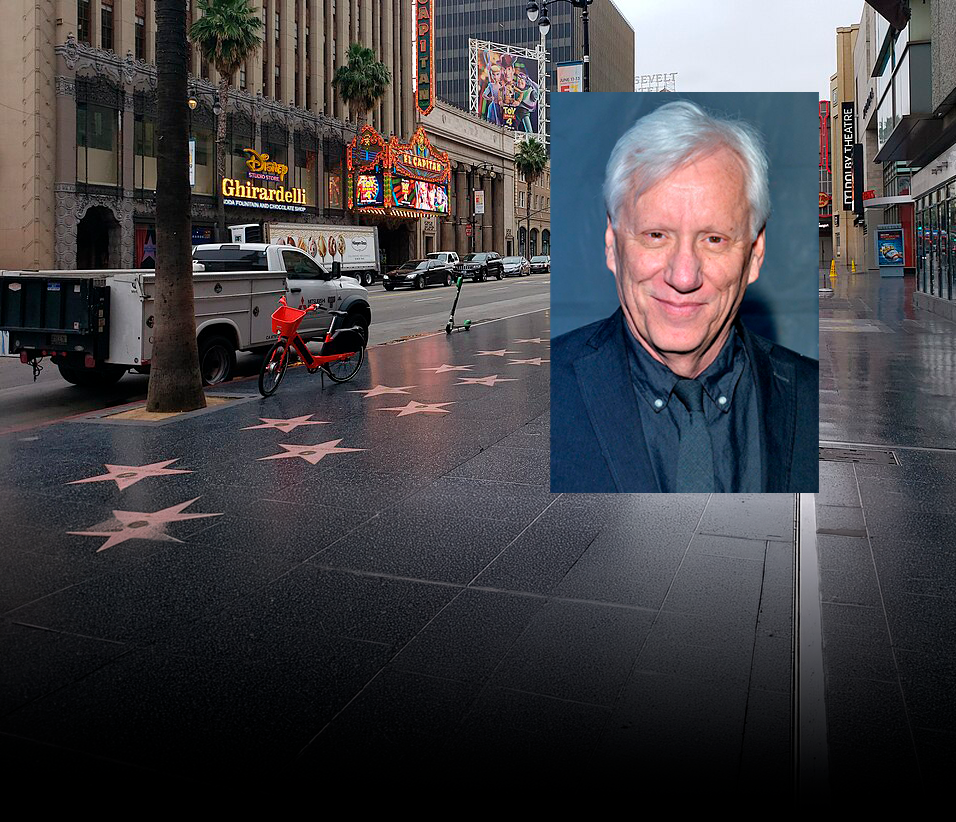
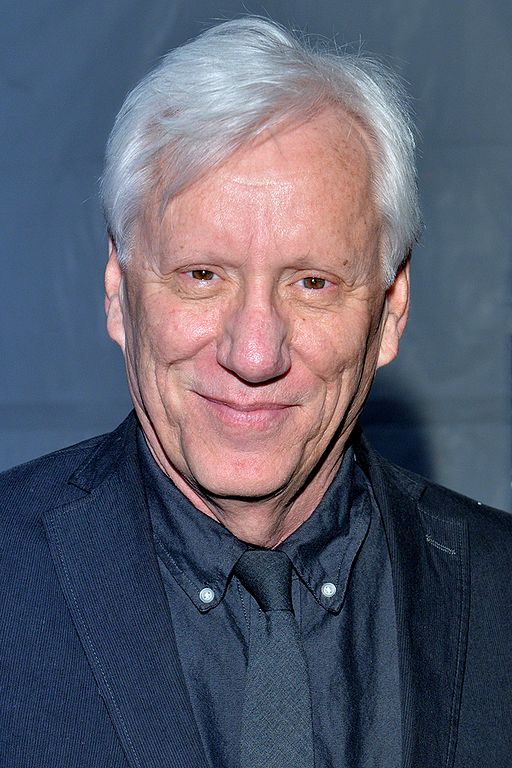
James Woods' late December 2025 warning about AI replacing actors resurfaced across media outlets this week, reigniting debates about synthetic performers in Hollywood. His Fox News interview, originally broadcast December 29, gained renewed attention around January 9, 2026, as the entertainment industry grapples with rapid AI advancement.
The actor's stark prediction, "AI is the end of human actors. I'm adamant about this," frames the technology as an inevitable replacement rather than a production tool. But examining the full context reveals a more nuanced picture of how AI is actually being deployed in filmmaking.
The Core Warning: Moore's Law Applied to Actors
Woods argued AI represents a different threat than previous technological shifts. "When the silent movies went to talkies, people said, 'Oh it's a fad.' When television came in, 'It won't replace movies,'" he told Fox News' Brian Kilmeade. This time, he believes, the outcome will be different.
His reasoning centers on Moore's Law, the observation that computing power doubles approximately every 18 months. This exponential growth, Woods argues, means synthetic actors indistinguishable from humans will arrive faster than the industry expects.
"When Steven Spielberg did the first 'Jurassic Park,' people said, 'This is amazing. How can he have done it?' He goes, 'In five years, 14-year-old kids will be doing this on their Macintosh.' And he was right," Woods stated. The Spielberg prediction, now realized with accessible visual effects tools, forms the foundation of Woods' concern. Spielberg himself addressed AI directly at SXSW 2026, stating he has never used it in any of his films and is not for AI if it replaces a creative individual.
He argues that studios will skip actors' agents, entourages, and lucrative contracts in favor of AI-generated replacements that can produce content around the clock at lower costs. "It's not going to work right now because we have movie stars we like," Woods acknowledged. "We love brilliant actors like Brad Pitt, we love Meryl Streep, all these great actors because we grew up with them."
The transition, according to Woods, occurs generationally. "When the next generation grows up with a computer-generated model, they will be as realistic as people."
Media Amplification and Reception
Multiple outlets amplified Woods' Fox News appearance. AOL published coverage on January 9. The New York Post ran it December 29. TheMix.net framed the warning as "terrifying," focusing on potential job losses for actors.
Social platforms including Instagram and Facebook shared video clips from the interview. One Facebook post scored the warning at 72 out of 100 for importance, indicating significant audience interest in the topic.
Yahoo and entertainment industry publications echoed the concerns, placing Woods' comments within the broader context of Hollywood's AI reckoning. The timing matters. The statement arrived amid ongoing discussions about digital doubles, voice cloning, and synthetic extras that have been piloted since 2024.
The resurgence in early January 2026 likely stems from multiple factors. The entertainment industry returned from holiday break facing continued AI implementation discussions. CES 2026's Digital Hollywood programming, held January 5, featured over 25 panels on AI in entertainment. Woods' warning provided timely commentary as these debates intensified.
Kevin O'Leary's Counterpoint on Selective Use
Investor and "Shark Tank" host Kevin O'Leary offered a different perspective in October 2025. Making his acting debut in A24's "Marty Supreme," O'Leary suggested the $60+ million production could have saved millions by using AI for background actors.
"Almost every scene had as many as 150 extras. Those people had to stay awake for 18 hours, be completely dressed in the background," O'Leary explained on The Hill's "World of Travel" podcast. "Not necessarily in the movie, except they're necessary to be there moving around. And yet, it costs millions of dollars to do that."
His proposal focused specifically on extras, not lead performances. "Why couldn't you simply put AI agents in their place? Because they're not the main actors. They're only in the story visually."
O'Leary cited cost savings that could enable more productions. "That same director, instead of spending $90 million or whatever he spent, could have spent $35 million and made two movies. I'd argue that for the sake of the art, you should allow it in certain cases. An extra is a really good use case, because you can't tell the difference."
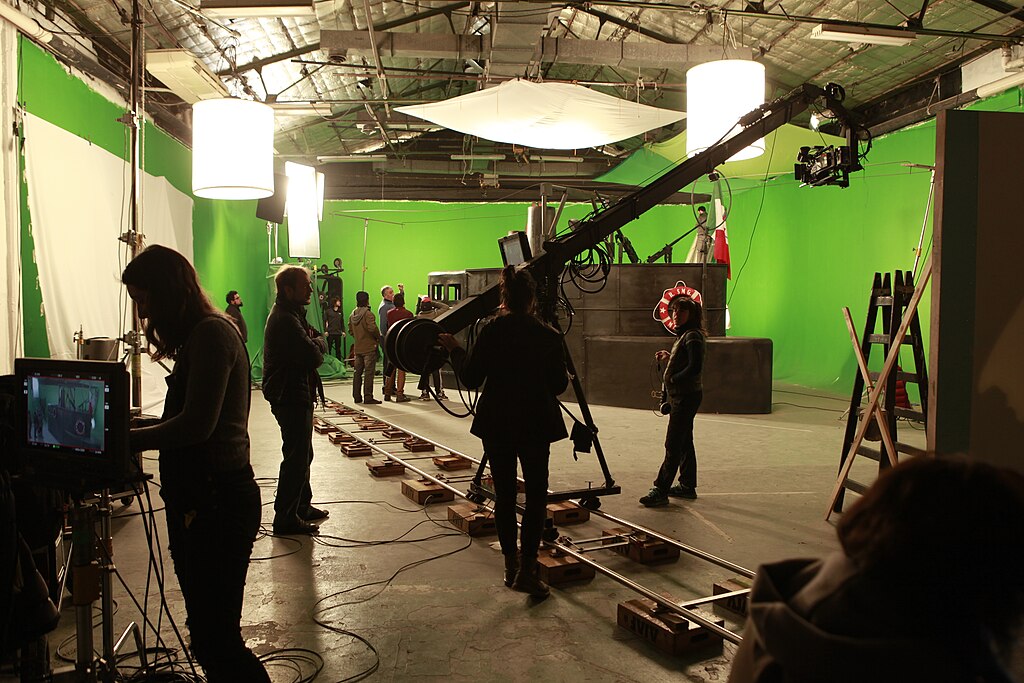
However, O'Leary later revised his position. In a December 2025 Hollywood Reporter interview, he acknowledged that experiencing the filmmaking process changed his view. "What specifically changed my view was the fact that so much of the improvised lines made it into the final cut," he explained. "That only happens in the magic of 4 a.m., when somebody says something that the other actor riffs off of."
He also noted that acting opposite AI performers would lack essential elements. "I don't know how you can do it any other way than just have those actors in that moment. Or if an extra is in an interaction with the principal, you can never use AI because you'll never have the cadence."
This evolution in O'Leary's thinking, from cost-focused efficiency to recognizing creative value in human performers, illustrates the complexity studios face in balancing budgets against artistic quality.
What's Actually Happening in Production
Current AI implementation in Hollywood focuses on specific production phases rather than wholesale actor replacement. Studios including Lionsgate use AI for pre-visualization, allowing directors to plan shots before principal photography begins.
Digital doubles enable stunt work without risking lead actors. Voice cloning assists in ADR sessions when actors aren't available for pickup lines. Synthetic extras populate background scenes in VFX-heavy productions.
These applications augment rather than replace human creative input. A director still makes creative decisions about camera angles and performance direction during pre-visualization. Stunt coordinators still design action sequences, with digital doubles executing dangerous moments. Voice cloning requires the original actor's performance as foundation.
The Tilly Norwood case, referenced by O'Leary, represents a more controversial application. Created in 2025 by Xicoia, this fully AI-generated character sparked industry debate when talent agents reportedly expressed interest in representation. SAG-AFTRA condemned the development in a September 30 statement, arguing it "jeopardizes performer livelihoods and devalues human artistry."
The guild's response signals where the industry draws current boundaries. Background extras and digital enhancement fall within acceptable use. Fully synthetic performers competing for traditional roles cross the line.
Historical Context: Technology Transitions in Entertainment
Woods' comparison to talkies and television deserves examination. Sound recording didn't end acting careers. It changed casting requirements, favoring performers with strong vocal skills over those who excelled only in physical expression.
Television didn't replace movies. It created a new medium with different storytelling conventions, budget levels, and audience expectations. Many film actors successfully transitioned to television work. The mediums coexist, each serving distinct audience needs.
Digital filmmaking didn't end cinematography. It changed the tools cinematographers use and expanded creative possibilities. Lower equipment costs enabled more filmmakers to produce professional work, growing the industry rather than shrinking it.
AI likely follows similar patterns. The technology changes skill requirements for actors rather than eliminating the profession. Performers who understand how to work with AI tools, provide reference performances for digital enhancement, and adapt to new production workflows will find opportunities.
The democratization effect matters. Just as affordable digital cameras enabled indie filmmaking movements, AI tools could allow smaller productions to achieve visual polish previously requiring studio budgets. More productions mean more demand for creative talent, not less.
Where AI Adds Value: The Practical Applications
Current AI applications in filmmaking solve specific production problems:
Pre-Production Planning: AI-generated pre-visualizations let directors test shot compositions, camera movements, and scene pacing before expensive principal photography begins. This reduces on-set trial and error, saving time and budget.
VFX Enhancement: Synthetic background characters populate massive crowd scenes without coordinating thousands of extras. This works for shots where background action serves atmosphere rather than story function.
Language Localization: AI voice cloning enables actors to deliver performances in multiple languages without re-recording every line. The original emotional performance translates across language barriers.
Archival Content: Digital recreation allows classic films to be restored or updated for modern formats without compromising the original performances.
Accessibility Features: AI-generated audio descriptions for blind audiences and subtitle synchronization for deaf audiences happen faster and more accurately than manual processes.
_(2).jpg)
These applications share a pattern. They accelerate production processes, reduce costs for specific technical tasks, and expand creative possibilities. They don't replace the creative decision-making that defines filmmaking.
Why Full Synthetic Actors Face Limitations
Several factors prevent AI from completely replacing human actors in the near term:
Performance Nuance: Acting involves subtle physical and vocal choices that convey character depth. Current AI struggles with the micro-expressions and timing variations that distinguish great performances from adequate ones.
Creative Collaboration: Filmmaking depends on spontaneous creative moments between directors and actors. The improvised line that makes a scene memorable, the unexpected gesture that adds depth, the on-set chemistry between performers, all require human intuition.
Audience Connection: Viewers form emotional attachments to performers based on accumulated exposure across multiple roles. This star power drives audience interest and box office returns. Synthetic performers lack this history and accumulated audience relationship.
Legal and Ethical Frameworks: Current copyright and likeness rights laws haven't caught up to AI capabilities. Who owns a synthetic actor's performance? How are royalties calculated? What consent is required? These questions need resolution before widespread adoption.
Guild Protections: SAG-AFTRA's 2023 contract provisions require explicit consent for digital replicas. These protections limit studios' ability to create unauthorized synthetic versions of actors. In March 2026, First Line Films became the first production company to publicly confirm a posthumous AI performance of a real actor, recreating Val Kilmer with estate consent for the historical film As Deep as the Grave.
Woods' prediction assumes these limitations will be overcome through Moore's Law advancement. Computing power will increase. AI models will improve. Legal frameworks will adapt. However, the timeline for these developments remains uncertain.
The Generational Shift Argument
Woods' generational acceptance argument carries weight. Audiences born into AI-generated entertainment will have different expectations than those who grew up with exclusively human performers.
This pattern appears across entertainment technology. Younger viewers accept streaming releases as legitimate premieres while older audiences view theatrical releases as the standard. Digital visual effects seem natural to audiences raised on CGI-heavy blockbusters, while earlier generations noticed the artifice more readily.
However, generational acceptance doesn't eliminate appreciation for craft. Vinyl records experienced a resurgence despite digital music's convenience. Film photography persists alongside digital cameras. Live theater thrives despite recorded media. Audiences often value human artistry precisely because technology makes synthetic alternatives available.
The question becomes whether synthetic actors will replace human performers or coexist as another option. Historical precedent suggests coexistence. Each new medium or technology expands the entertainment landscape rather than eliminating existing forms.
What This Means for Filmmakers
Independent filmmakers and content creators face different implications than established actors:
Expanded Access: AI tools lower the barrier to professional-quality production. Solo creators can generate backgrounds, enhance visual effects, and produce polished content without studio resources.
New Creative Possibilities: Filmmakers can test visual concepts rapidly, iterate on scenes before expensive shoots, and explore creative directions previously constrained by budget.
Workflow Evolution: Understanding AI tools becomes as essential as camera operation or editing software. Filmmakers who master these technologies gain competitive advantages in production efficiency and visual quality.
Hybrid Approaches: The most effective productions will likely blend human creativity with AI acceleration. Actors provide core performances while AI handles enhancement, environment population, and post-production polish.
Democratized Storytelling: Lower production costs mean more diverse stories reach audiences. Filmmakers from underrepresented communities can produce professional work without traditional gatekeepers' approval.
This democratization counters Woods' displacement narrative. While AI might change how major studios operate, it simultaneously enables more people to become filmmakers. The net effect could increase demand for creative talent rather than eliminate it.
Guild Protections and Industry Adaptation
SAG-AFTRA's 2023 strike resulted in contract provisions specifically addressing AI. Actors must provide informed consent before studios create digital replicas. Compensation structures for AI-enhanced performances require negotiation. Synthetic performers can't be used to circumvent union contracts.
These protections establish baseline standards as the industry navigates technological change. They won't prevent AI adoption, but they ensure actors maintain agency over how their likeness and performances are used.
Other guilds face similar questions. The Writers Guild negotiated AI provisions regarding script generation. The Directors Guild examines AI's role in creative decision-making. Each contract negotiation refines how the industry balances technological capability against creative labor rights.
This ongoing negotiation process mirrors historical transitions. When sound recording transformed filmmaking, unions negotiated new working conditions. When television emerged, guilds established separate contract structures. AI will trigger similar institutional adaptation.
HBO's "The Comeback" Season 3 puts that anxiety on screen directly, casting Valerie Cherish in a network sitcom scripted by AI while the network conceals the fact from its own cast.
The Optimistic Case: Evolution, Not Extinction
The most likely scenario involves AI changing the acting profession rather than ending it. Several factors support this optimistic outlook:
Historical Precedent: Every major entertainment technology transition expanded opportunities rather than eliminating them. More content creation means more demand for creative talent.
Complementary Tools: AI excels at tasks that augment human creativity rather than replace it. Background population, visual enhancement, and production acceleration all support rather than supplant actor contributions.
Audience Preference: Human stories told by human performers maintain inherent appeal. Synthetic alternatives might serve specific use cases without dominating the medium.
Creative Value: The spontaneous creativity, emotional authenticity, and collaborative energy that actors bring to productions can't be fully automated. These qualities become more valuable as synthetic alternatives become available.
Market Diversity: Different audience segments value different qualities. Some will embrace synthetic entertainment while others prefer human performers. Multiple markets can coexist.
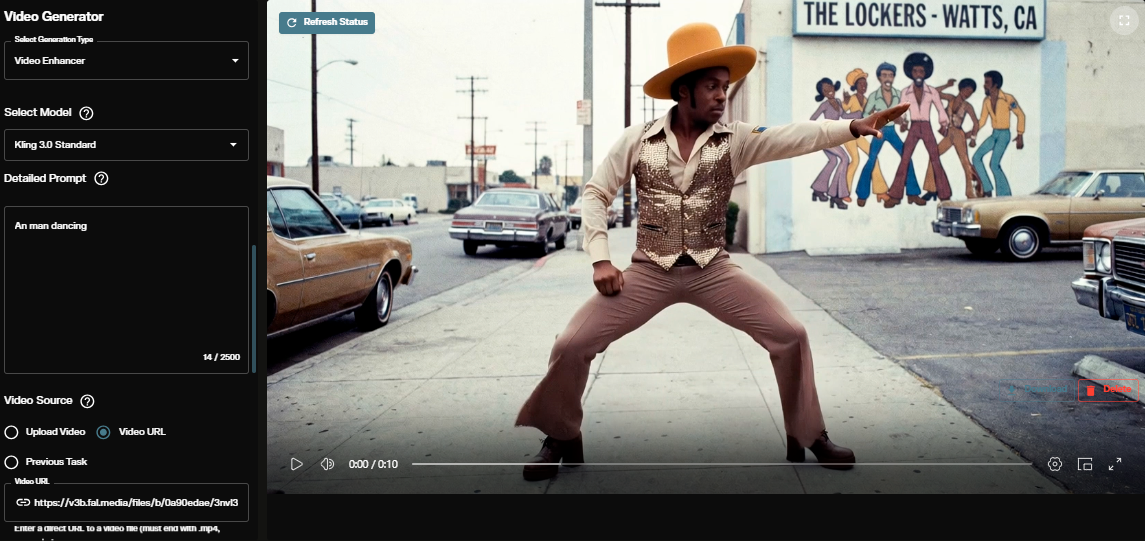
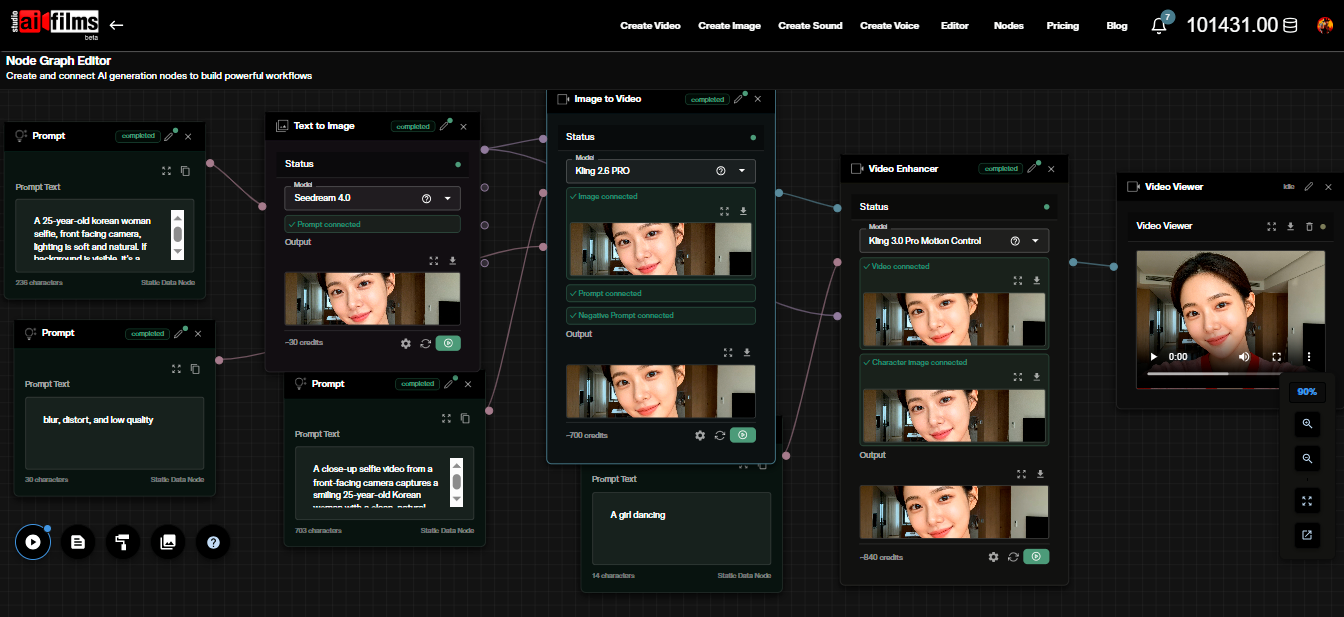
AI FILMS Studio's multi-model platform demonstrates this complementary approach. Filmmakers access tools like Google Veo 3, OpenAI Sora, Kling AI, and Luma DreamMachine not to replace actors but to accelerate production, test concepts, and enhance storytelling capabilities.
What Comes Next
The next 12-24 months will likely bring:
Clearer Use Case Definitions: Studios will establish where AI adds value (background population, pre-visualization, enhancement) versus where human performers remain essential (lead roles, character-driven storytelling, emotional authenticity).
Refined Legal Frameworks: Copyright law, likeness rights, and compensation structures will evolve to address AI-generated content. Expect court cases establishing precedents and guild negotiations refining contract language.
Technical Advancement: AI models will improve at generating realistic human performances. However, the gap between "technically impressive" and "emotionally compelling" will persist longer than computing power alone can close.
Hybrid Production Workflows: Most productions will blend human performances with AI enhancement rather than choosing one or the other. This hybrid approach maximizes both creative quality and production efficiency.
Democratization Effects: More creators will access professional production tools, increasing content diversity and volume. This expansion will likely create more opportunities for performers rather than fewer.
Woods' warning serves a valuable purpose. It forces the industry to address how AI integration affects creative labor before technological capability outpaces ethical frameworks. The conversation itself helps ensure the transition serves creativity rather than merely reducing costs.
The Real Question
Woods frames the debate as human actors versus AI replacement. The more relevant question is how AI tools enable more people to tell better stories more efficiently. Technology doesn't eliminate creative professions. It changes the skills those professions require and the opportunities they create.
Cinematographers adapted from film to digital. Editors transitioned from physical cutting to non-linear software. VFX artists evolved from practical effects to digital compositing. Actors will adapt to working with AI tools, providing reference performances for digital enhancement, and mastering hybrid production workflows.
The entertainment industry will continue employing talented performers. The definition of performance, the tools actors use, and the production processes they work within will evolve. But the fundamental human desire to watch compelling stories told by engaging performers shows no signs of declining.
Woods' warning highlights real concerns about job displacement and technological disruption. Addressing those concerns requires thoughtful industry adaptation, strong guild protections, and creative implementation of new tools. The outcome depends on choices the industry makes now, not on technological inevitability.
Continue Reading
.jpg?w=3840)


Video & LipSync
- Video Generator
- Text to Video
- Image to Video
- Start-End Frame to Video
- Draw to Video
- Motion Control
- Video Enhancer
- Video Upscaler
- Video Extend
- Video to Video LipSync
- Audio to Video LipSync
- Image to Video LipSync
- Video FaceSwap
- Seedance 2.5
- WAN 3.0
- Seedance 2
- FLUX 3
- Minimax H3
- Vidu Q3 Pro
- Grok Imagine Video 1.5
- Gemini Omni
- Google Veo 3.1
- Kling 3.0 Pro
- Luma Ray 3.2
- LTX 2.3
- Happy Horse 1.1
- Kling 3.0 Motion
- ByteDance Upscaler
- InfiniteTalk
- InsightFace
Image & Edit
- AI Character
- AI Actor
- Art Generator
- Text to Image
- Image to Image
- LoRA Image to Image
- Draw to Edit
- Image LoRA Training
- Remove Background
- Image Enhancer
- MidJourney 8.0
- Krea 2
- OpenAI GPT Image 2.0
- Nano Banana Pro Ultra
- Nano Banana 2 Lite
- Nano Banana Pro
- Minimax Image
- Clarity Pro
- Z-Image Turbo LoRA
- Krea 2 Turbo LoRA
- Z-Image LoRA Trainer
- Qwen Image LoRA Trainer
- Background Erase Network 2 (BEN2)