
McKinsey Report: AI Transforms Pre-Production in Film and TV
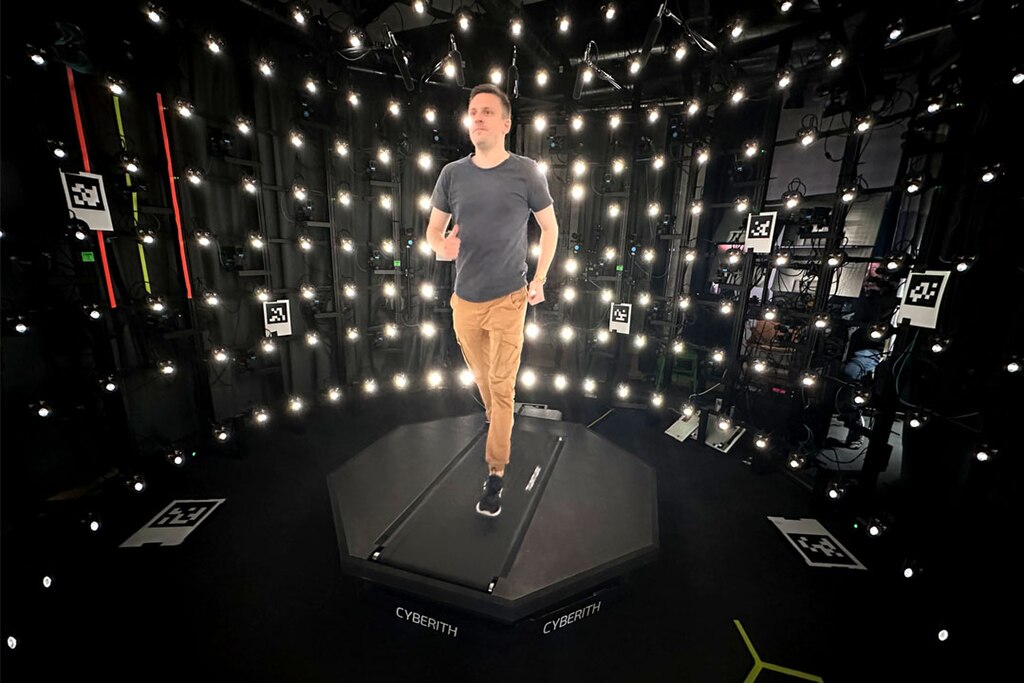
Holger2130, CC BY-SA 4.0, via Wikimedia Commons
Share this post:
McKinsey Report: AI Transforms Pre-Production in Film and TV
McKinsey & Company published a detailed report on January 23, 2026, analyzing AI's impact across the film and television production pipeline. The findings identify pre production as the phase where generative AI provides the most immediate and substantial value. This marks a shift from speculation to documented evidence of how AI is reshaping creative workflows.
Pre-Production as the AI Sweet Spot
The McKinsey report specifically highlights pre production rather than production or post production. This focus reflects where current AI capabilities align most effectively with industry needs. Pre production involves planning, visualizing, and prototyping before physical production begins. These tasks rely on rapid iteration and visual exploration, areas where generative AI excels.
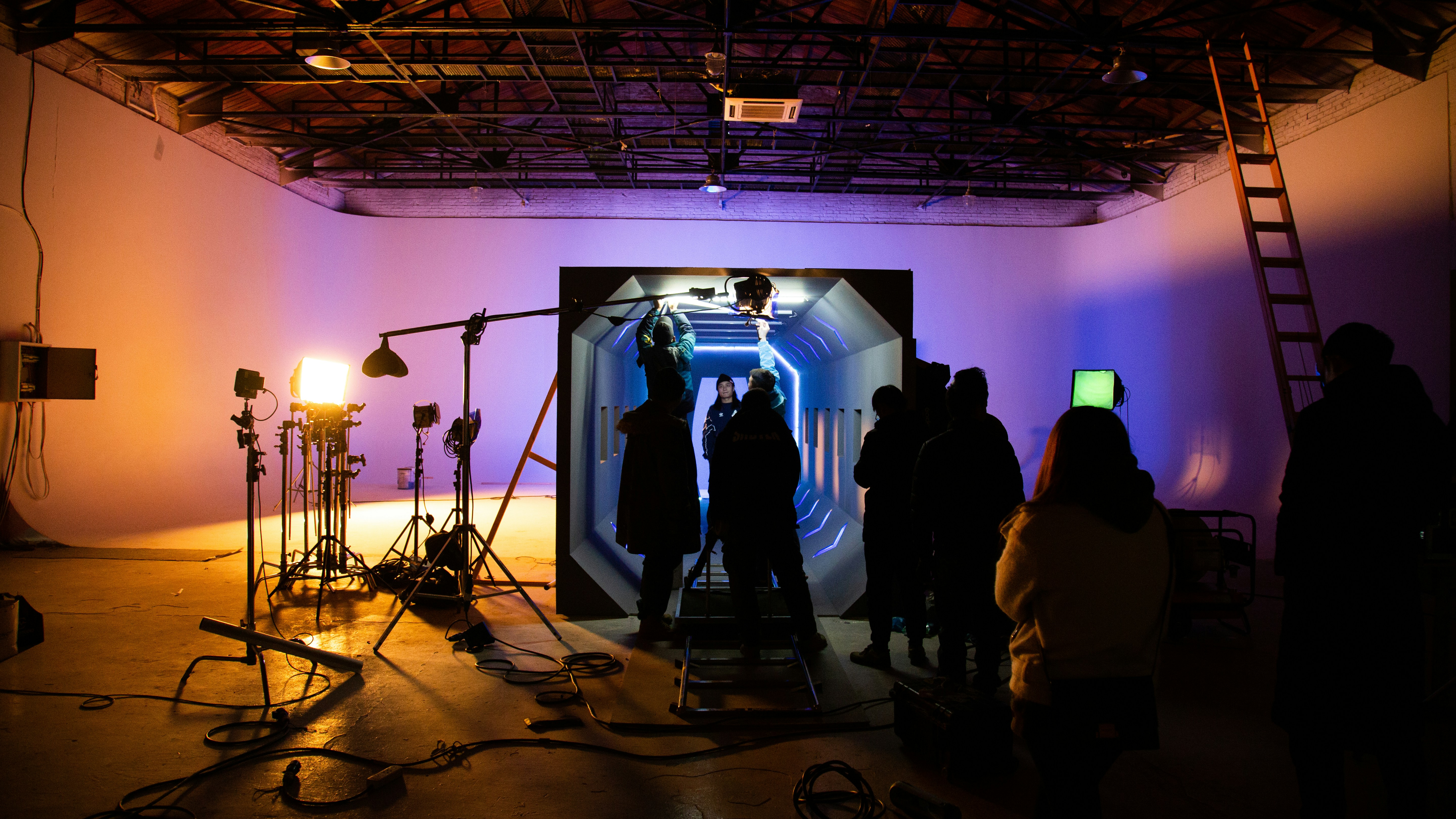
Traditional pre production requires weeks of manual work to develop storyboards, location concepts, and visual mockups. AI compresses these timelines while expanding creative possibilities. The report documents how this acceleration affects both major studios and independent filmmakers.
Elevated Pitching Power
Directors now enter studio meetings with AI generated pre visualizations that possess the visual fidelity of finished films. This capability allows executives to immediately grasp a creative vision without relying solely on verbal descriptions or basic sketches.
The McKinsey analysis notes this accelerates the greenlighting process significantly. Projects that previously spent months or years in development cycles can now move forward more quickly. The visual evidence provided by AI generated mockups reduces uncertainty for decision makers evaluating potential projects.
This reduces time spent in what the industry calls "development hell," where promising projects stall due to incomplete visual communication. Filmmakers can demonstrate tone, atmosphere, and aesthetic choices before committing to expensive production resources.
Rapid Creative Prototyping
The report emphasizes AI's ability to generate alternative storyboards and 3D set designs instantly. Production teams can now explore dozens of visual styles and lighting scenarios in hours rather than weeks, at a fraction of traditional costs.
This rapid iteration fundamentally changes the creative process. Instead of committing to a single vision early in development, teams can test multiple approaches. Directors can see how different cinematography choices affect mood. Production designers can evaluate various set configurations. Costume designers can preview color palettes in context.
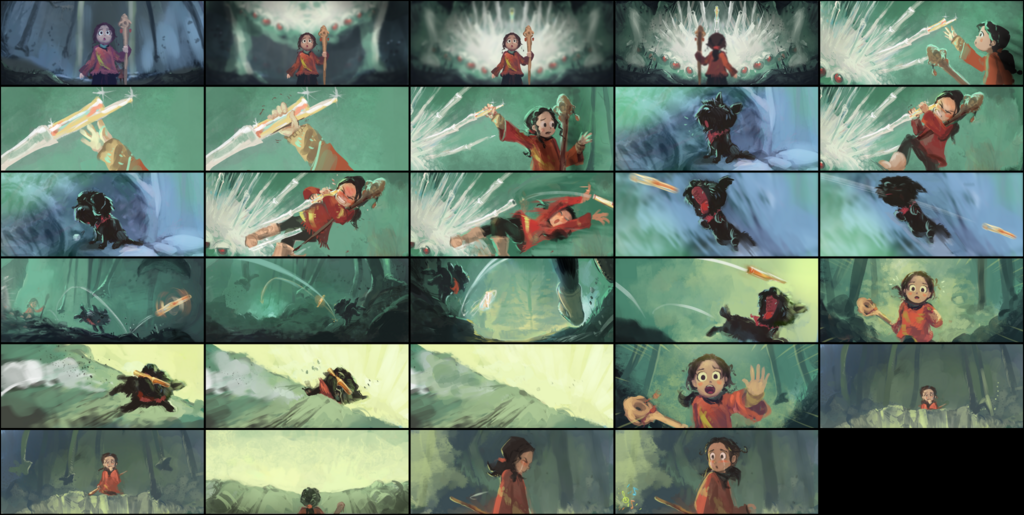
The cost reduction is substantial. Traditional pre visualization requires specialized artists and significant time investment. AI tools democratize access to these capabilities, making high quality planning feasible for projects with limited budgets.
The Content Innovation Loop
McKinsey describes AI as a "tireless creative collaborator" that empowers filmmakers to overcome technical barriers. This allows creators to focus on high level narrative decisions rather than getting constrained by execution challenges.
The report notes this effectively democratizes high end production capabilities for independent creators. Tools that previously required studio budgets or specialized training are now accessible to individuals with creative vision. This shifts the barrier from technical execution to conceptual quality.
.jpg)
The innovation loop McKinsey identifies works as follows. AI generates visual options quickly. Creators evaluate and refine. The system learns from feedback and produces improved iterations. This cycle compresses what traditionally took weeks into hours, allowing more creative experimentation within tight timelines.
Production Shortening Through Front Loading
By front loading the visual planning phase with AI assisted tools, filmmakers can reduce the duration of physical production. The McKinsey report highlights AI generated camera paths and environmental design as specific areas where this optimization occurs.
Most creative problems get solved before a single camera rolls. This minimizes the need for expensive reshoots, which can consume significant portions of production budgets. When directors arrive on set with detailed, AI tested visual plans, shooting proceeds more efficiently.
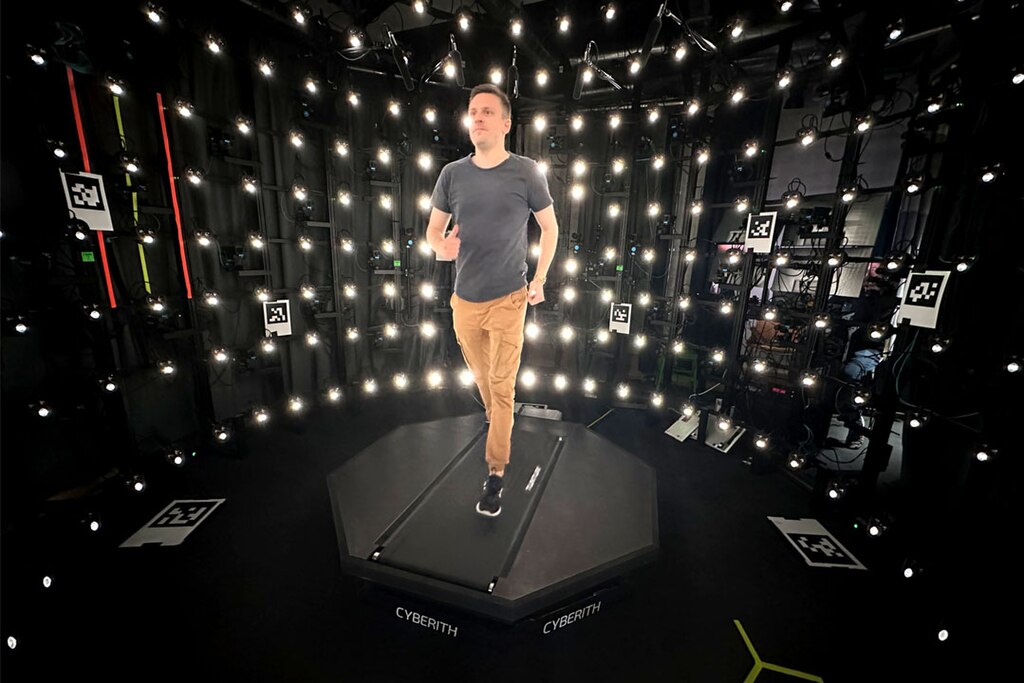
The report documents how this affects scheduling and budgeting. Productions that front load planning with AI tools typically experience fewer delays during principal photography. Set construction proceeds with greater confidence when designs have been virtually tested. Location scouting becomes more targeted when AI mockups clarify specific visual requirements.
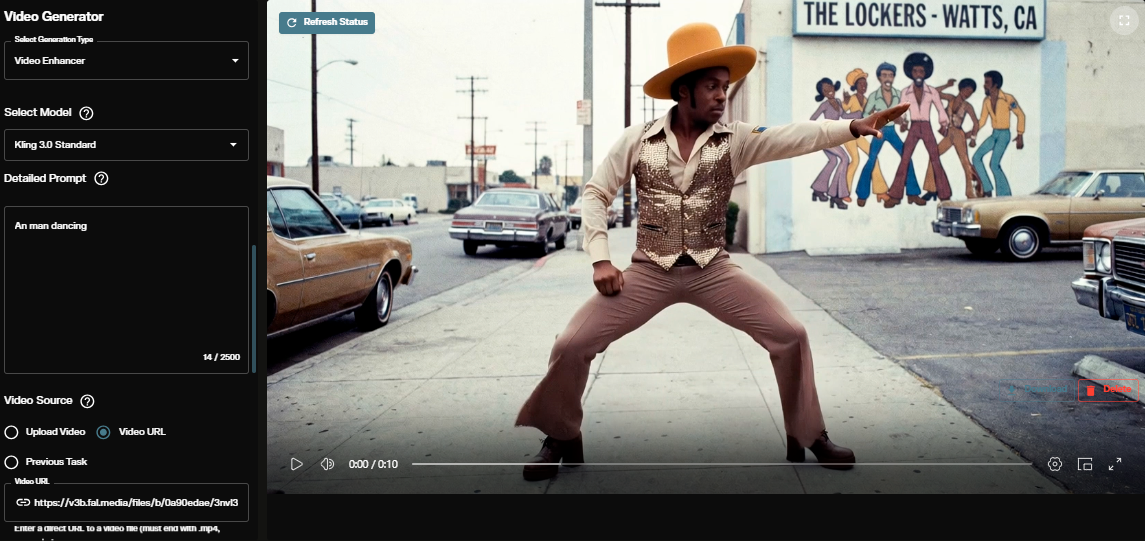
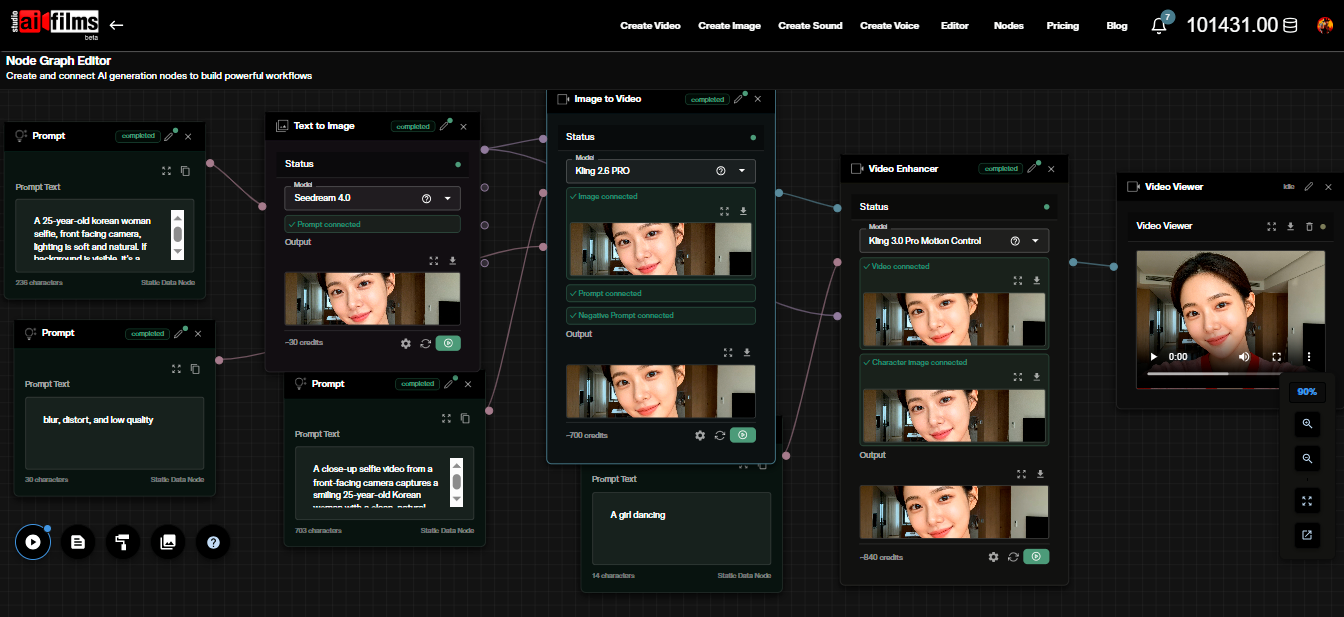
Implications for Filmmakers
The McKinsey findings validate what early adopters have observed: AI's immediate value lies in planning and prototyping rather than final production. Filmmakers who integrate AI into pre production workflows gain competitive advantages through faster iteration and reduced planning costs.
For independent creators, this represents a significant opportunity. The traditional barriers of expensive pre visualization services and extended development timelines no longer constrain projects with limited budgets. Quality of vision becomes more important than access to specialized resources.
Studios benefit from reduced development risk. When creative teams can test visual concepts quickly, greenlighting decisions become more confident. The report suggests this may ultimately affect which types of projects receive funding, as visual proof of concept becomes standard expectation.
What the Report Establishes
McKinsey's January 2026 report provides data backed validation of pre production as the primary value area for generative AI in film and television. The documented impacts, from accelerated greenlights to production shortening, represent measurable changes in how the industry operates.
The transformation focuses on planning rather than execution. AI enables faster iteration, broader exploration of creative options, and more confident decision making before expensive production resources get committed. This benefits both major studios seeking efficiency and independent creators seeking access to professional grade planning tools.
For more on how AI is affecting film industry decision making, see our analysis of Hollywood's shift toward Decision Intelligence.
Update (August 19, 2026): A storyboard system called SAGE reported the first live production figure against this thesis in August 2026. It ran 14 days in a short drama pipeline, had 87.2 percent of its output accepted without substantive edits, and cut authoring time per episode by more than 83 percent. Full story here.
The same release opened PROSE, a public dataset of 68 episodes pairing screenplays with storyboards written by professional directors. It is the first time the shot plan format itself has been published for anyone to build against, which is a practical step beyond the report's forecast.
Storyboarding is one of the pre production tasks this report identified. Having a measured acceptance rate from a working pipeline turns that forecast into something a production can plan around.
Sources
McKinsey & Company: "What AI could mean for film and TV production and the industry's future"
Published: January 23, 2026
Authors: Jamie Vickers, Marc Brodherson, Alec Wrubel, Cléophée Bernard
https://www.mckinsey.com/industries/technology-media-and-telecommunications/our-insights/what-ai-could-mean-for-film-and-tv-production-and-the-industrys-future
Continue Reading
.jpg?w=3840)


Video & LipSync
- Video Generator
- Text to Video
- Image to Video
- Start-End Frame to Video
- Draw to Video
- Motion Control
- Video Enhancer
- Video Upscaler
- Video Extend
- Video to Video LipSync
- Audio to Video LipSync
- Image to Video LipSync
- Video FaceSwap
- Seedance 2.5
- WAN 3.0
- Seedance 2
- FLUX 3
- Minimax H3
- Vidu Q3 Pro
- Grok Imagine Video 1.5
- Gemini Omni
- Google Veo 3.1
- Kling 3.0 Pro
- Luma Ray 3.2
- LTX 2.3
- Happy Horse 1.1
- Kling 3.0 Motion
- ByteDance Upscaler
- InfiniteTalk
- InsightFace
Image & Edit
- AI Character
- AI Actor
- Art Generator
- Text to Image
- Image to Image
- LoRA Image to Image
- Draw to Edit
- Image LoRA Training
- Remove Background
- Image Enhancer
- MidJourney 8.0
- Krea 2
- OpenAI GPT Image 2.0
- Nano Banana Pro Ultra
- Nano Banana 2 Lite
- Nano Banana Pro
- Minimax Image
- Clarity Pro
- Z-Image Turbo LoRA
- Krea 2 Turbo LoRA
- Z-Image LoRA Trainer
- Qwen Image LoRA Trainer
- Background Erase Network 2 (BEN2)