
Share this post:
Netflix Acquires Ben Affleck's AI Startup InterPositive
Netflix has acquired InterPositive, the stealth AI filmmaking company Ben Affleck founded in 2022, in a deal that brings the full 16-person team into Netflix's product and technology organization. Affleck will serve as senior advisor to the streaming giant. Financial terms were not disclosed.
A Startup Built in the Shadows
Affleck launched InterPositive in 2022 without public announcement, building a focused team around a specific technical problem: how to give directors and cinematographers greater control over footage after it has been shot. The company developed AI models trained on proprietary datasets captured across controlled soundstages, enabling post production tasks that traditionally required either expensive reshoots or extensive manual visual effects work.
The core toolset covers relighting, VFX additions, and maintaining visual logic when productions encounter problems during a shoot. A scene filmed under flat overcast light can be given the quality of late afternoon sun. A continuity error caused by a changed background detail can be corrected without returning to location. The tools work from actual footage rather than generating synthetic imagery.
.jpg)
Affleck designed InterPositive to differ sharply from generative systems. Where tools like OpenAI Sora synthesize video from text prompts, InterPositive focuses exclusively on filmmaking technique, not performances. The distinction reflects his core philosophy: AI has a legitimate role in solving production logistics and technical constraints, but it should not generate what human actors, directors, and cinematographers create.
The Joe Rogan Interview: Public Skeptic, Private Builder
The acquisition lands roughly six weeks after Affleck's comments on the Joe Rogan Experience went semi viral across the entertainment press. In episode #2440, recorded in January 2026 alongside Matt Damon while the two were promoting their Netflix film The Rip, Affleck delivered a pointed critique of AI's creative limitations.
He called outputs from tools like ChatGPT and Claude "really shitty," arguing they default to average, mediocre content. "It regresses to the mean," he explained, describing text AI as producing technically competent but artistically empty results. On AI filmmaking claims specifically, he called the notion of producing meaningful movies "from whole cloth," as demonstrated by the AI actress Tilly Norwood, "bullshit." His dismissal was aimed at the creative pretensions of generative AI, not at AI as a production discipline.
.jpg)
His outlook was not uniform opposition. When Rogan pressed on Hollywood's broader AI anxieties, Affleck pushed back on the "existential dread" framing, pointing to guild protections and slow enterprise adoption rates. On the economics he was direct: AI could replace offshore rendering work ("500 guys in Singapore making $2 an hour") and redirect those budget savings toward actors and core creative elements.
That position maps exactly onto what InterPositive does. The company's tools address post production rendering and enhancement tasks, not the human performances or directorial choices Affleck argued AI cannot replicate. His January comments were not the remarks of a hypocrite. They were the philosophy his company had been executing in private since 2022.
Casey Affleck offered a similar take around the same period, describing AI as a "collaborator" that expands creative possibility while preserving human judgment at every core decision.
What Netflix Gets
Elizabeth Stone, Netflix's Chief Product and Technology Officer, framed the acquisition around creator empowerment. The company's stated goal is tools that "protect and expand creative choice" for filmmakers. Stone's language emphasizes alignment between InterPositive's philosophy and Netflix's approach: AI serving storytellers rather than substituting for them.
Netflix's interest in post production AI infrastructure reflects the scale of its global production pipeline. The platform produces content across dozens of languages and hundreds of productions annually, creating structural demand for tools that can address footage problems without requiring full reshoots. InterPositive's soundstage trained models, built on proprietary data from controlled environments, address exactly that class of problems.
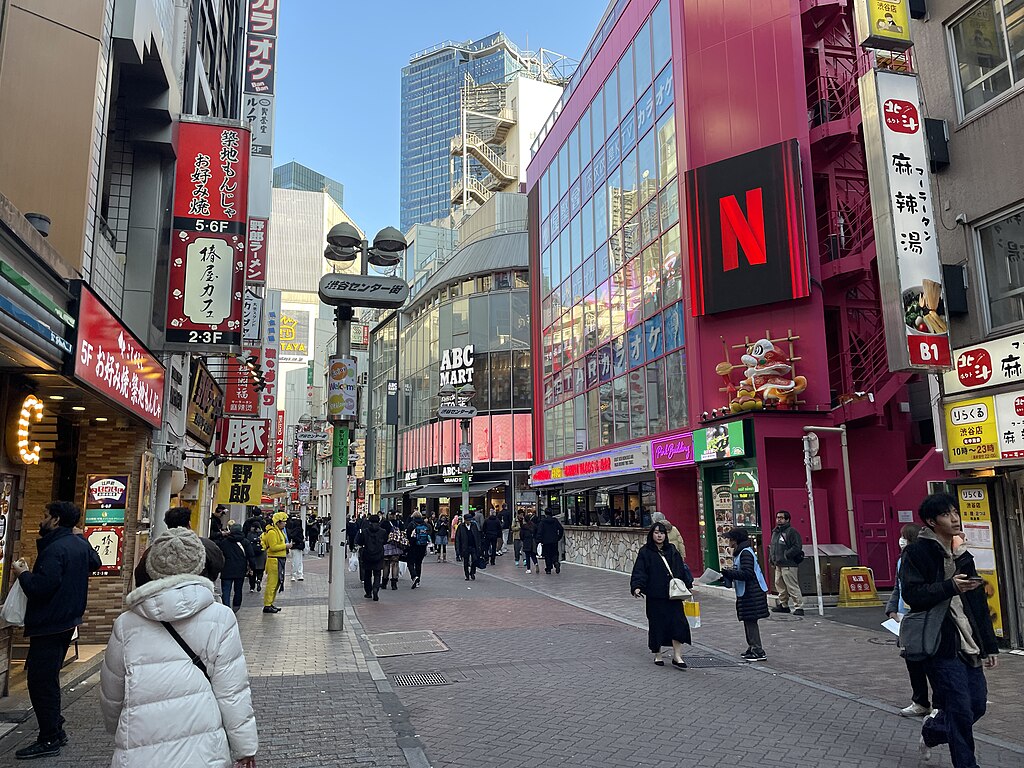
Netflix's largest audience markets outside the United States include Japan, South Korea, Brazil, and India, each with active local productions carrying distinct visual and technical requirements. Post production tools that can address lighting inconsistencies, environmental continuity, or VFX integration across a diverse slate represent genuine operational value at that volume.
The 16-Person Team
The full InterPositive headcount joins Netflix's product and technology division rather than a content team. That placement is significant. The tools will be developed and maintained as platform infrastructure, potentially available across Netflix productions, rather than limited to a single content vertical.
Affleck's senior advisor role keeps his production perspective involved without requiring a formal employment commitment. He brings direct experience from both sides of the camera to a team building tools for professional filmmakers, and that credibility matters for adoption among the directors and cinematographers who will use them.
What This Means for Filmmakers
The acquisition signals what major streaming platforms consider the most defensible category of AI filmmaking tool: one that enhances existing footage rather than generating synthetic content, and one that preserves the judgment of human directors and cinematographers over every core creative decision.
That framing will shape how AI tools position themselves going forward. InterPositive's approach sidesteps the creative legitimacy challenges that generative text-to-video tools face in professional production contexts. Directors remain in control. Performances stay human. The AI addresses specific technical problems that have historically required expensive, time-consuming solutions.
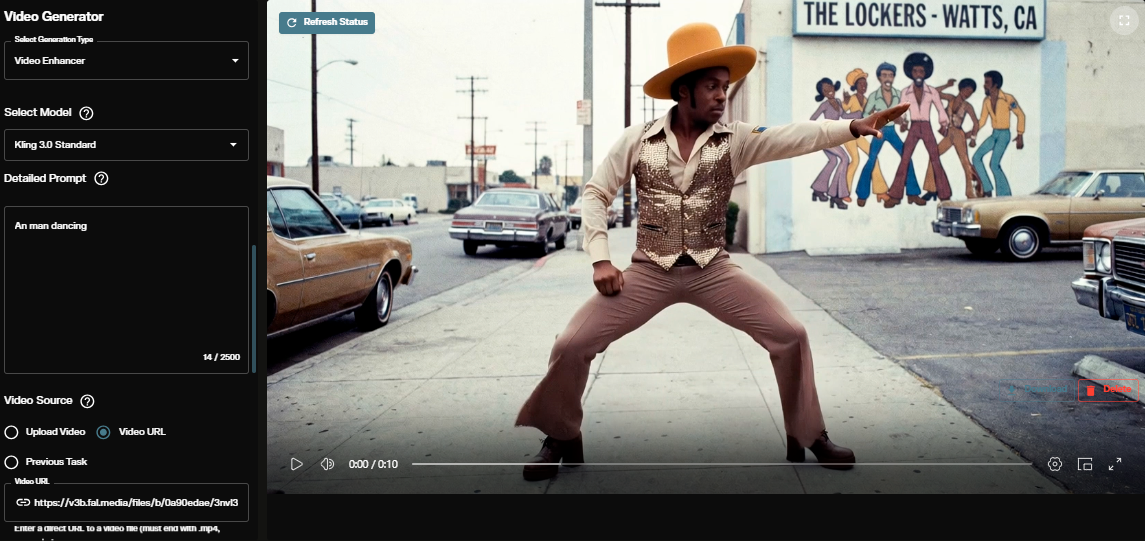
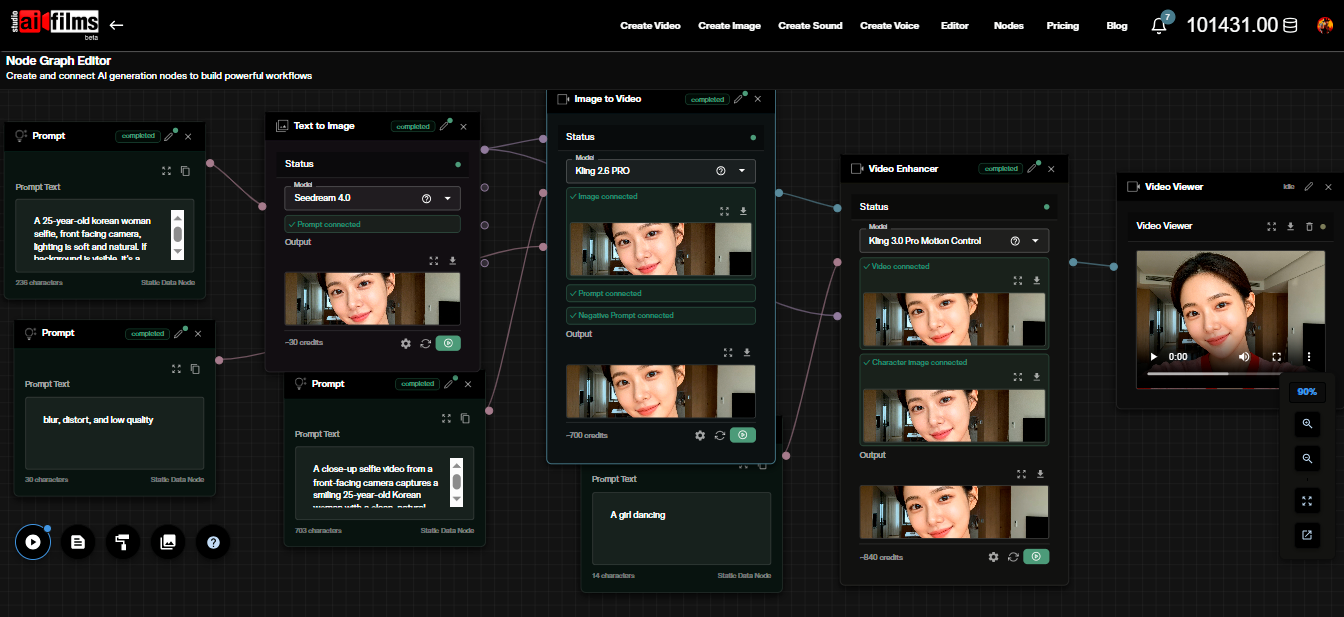
For independent filmmakers working outside major studio budgets, tools built on this philosophy address the constraints that actually limit production quality: an overcast day when the script needed golden hour, a background element that changed between setups, a location that read differently on camera than during the scout. AI FILMS Studio provides tools that operate on similar principles, designed for creators who need production-grade flexibility without a major studio's post production overhead.
The competitive pressure Netflix now faces to develop these tools quickly will accelerate their availability across the broader market. When the leading streaming platform builds post production AI as internal infrastructure, independent tool developers move in the same technical direction.
Sources
Variety | The Hollywood Reporter | Los Angeles Times | Netflix Blog
Continue Reading


.jpg)
.jpg)

Video & LipSync
- Video Generator
- Text to Video
- Image to Video
- Start-End Frame to Video
- Draw to Video
- Motion Control
- Video Enhancer
- Video Upscaler
- Video Extend
- Video to Video LipSync
- Audio to Video LipSync
- Image to Video LipSync
- Video FaceSwap
- Seedance 2.5
- WAN 3.0
- Seedance 2
- FLUX 3
- Minimax H3
- Vidu Q3 Pro
- Grok Imagine Video 1.5
- Gemini Omni
- Google Veo 3.1
- Kling 3.0 Pro
- Luma Ray 3.2
- LTX 2.3
- Happy Horse 1.1
- Kling 3.0 Motion
- ByteDance Upscaler
- InfiniteTalk
- InsightFace
Image & Edit
- AI Character
- AI Actor
- Art Generator
- Text to Image
- Image to Image
- LoRA Image to Image
- Draw to Edit
- Image LoRA Training
- Remove Background
- Image Enhancer
- MidJourney 8.0
- Krea 2
- OpenAI GPT Image 2.0
- Nano Banana Pro Ultra
- Nano Banana 2 Lite
- Nano Banana Pro
- Minimax Image
- Clarity Pro
- Z-Image Turbo LoRA
- Krea 2 Turbo LoRA
- Z-Image LoRA Trainer
- Qwen Image LoRA Trainer
- Background Erase Network 2 (BEN2)