
OpenAI Courts Hollywood with Sora 2
OpenAI / Unsplash
Share this post:
OpenAI Courts Hollywood with Sora 2
OpenAI is back in Los Angeles, launching a renewed effort to integrate its video generation model, Sora 2, into professional Hollywood workflows. After a mixed reception to the initial release, the company is pitching the upgraded model's capabilities to studios, agencies, and production companies as an essential tool for the future of filmmaking.
Studio availability, updated 2026-09-15. Sora 2 was previously available in AI FILMS Studio. It is no longer available. To generate video in the Studio, see the models listed on the text to video page.
The Second Act
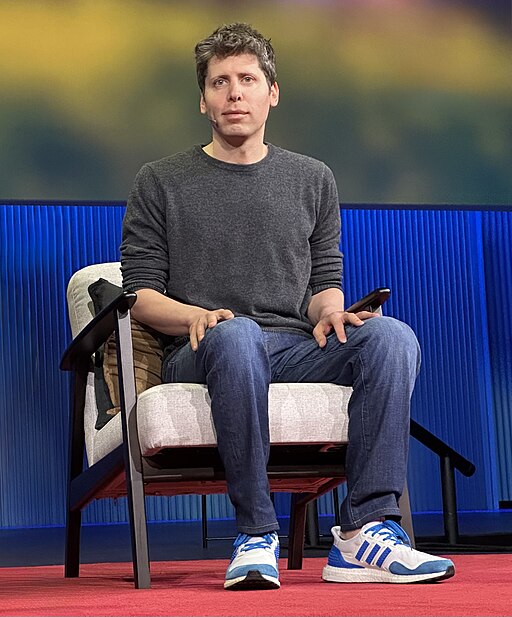
Following the initial excitement and subsequent hesitation around the original Sora launch, OpenAI has refined its approach. Executives, led by Sam Altman, have been hosting private demonstrations and meetings with industry leaders. The pitch focuses less on replacing creatives and more on augmenting the production pipeline, specifically targeting pre-visualization, visual effects, and post-production workflows.
What Sora 2 Bring to the Table
Sora 2 addresses several of the key complaints from the filmmaking community regarding the first version.
Enhanced Control and Consistency
The new model offers significantly improved temporal consistency and character permanence. Filmmakers can now maintain character likeness across multiple shots, a critical requirement for narrative storytelling that was previously a major hurdle for AI video generators.
Audio Integration
As we explored in our Sora 2 analysis, the model now includes synchronized audio generation. This allows for more convincing initial cuts and helps directors visualize scenes with soundscapes already in place during the storyboarding phase.
Hollywood's Hesitation and Opportunity
Despite the technical improvements, the industry remains cautious. Concerns over copyright, data usage, and the potential displacement of jobs are central to the ongoing dialogue. However, studios are under pressure to cut costs and streamline production.
.jpg)
The Hybrid Workflow
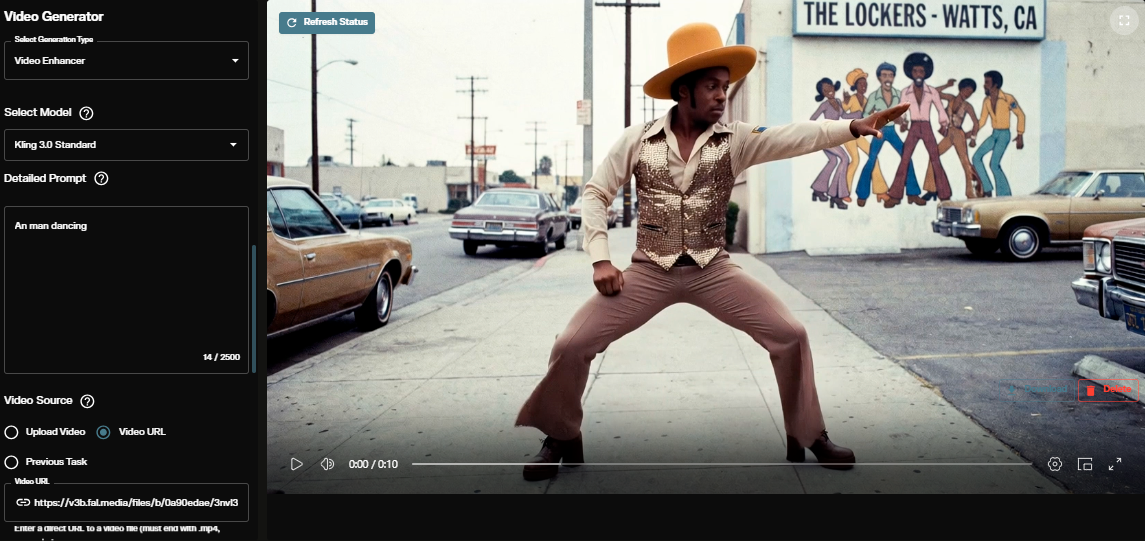
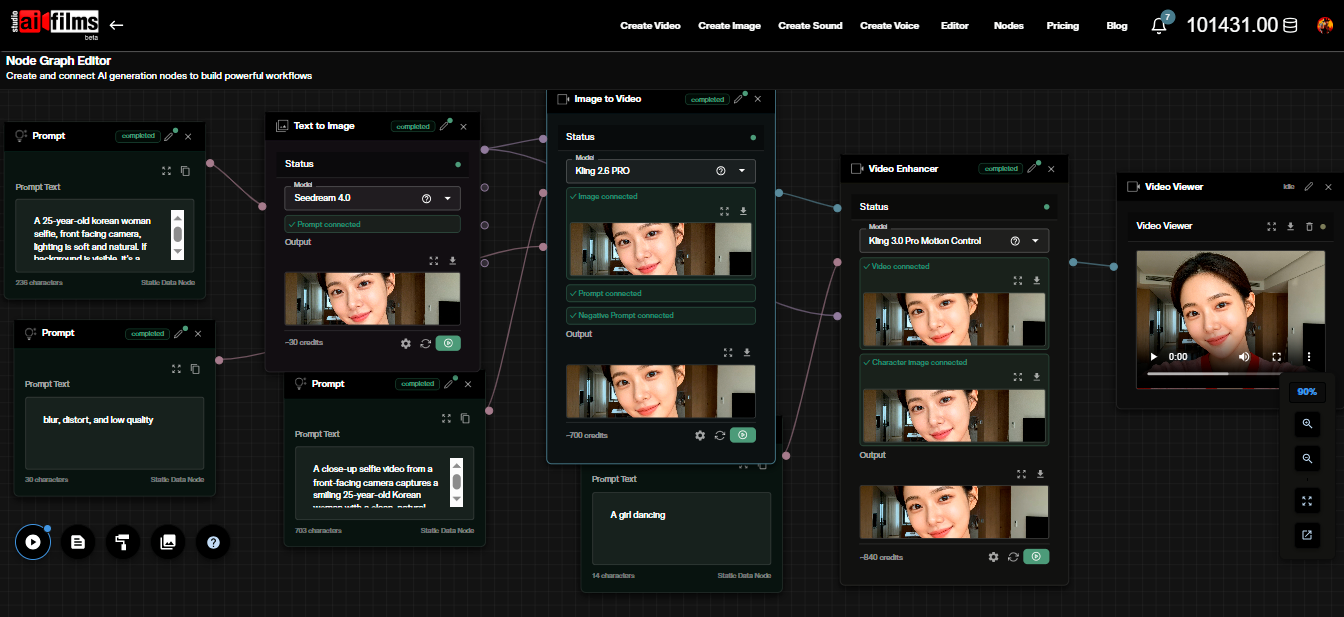
The most likely path forward is a hybrid workflow where AI FILMS Studio tools are used for specific tasks. Conceptualization, pitch decks, and dynamic storyboards are the immediate entry points. As the technology matures, we may see it move further down the pipeline into final pixel generation for background elements and VFX.
Conclusion
OpenAI's second courtship of Hollywood is more mature and targeted. While the "magic" of text-to-video is still the headline, the real conversation is about practical utility in a complex industrial pipeline. Whether Hollywood embraces Sora 2 with open arms or keeps it at arm's length remains to be seen, but the dialogue has definitely shifted from "what is this?" to "how do we use this?".
For more on AI tools in filmmaking, check out our coverage of Google Veo 3.1 features for filmmakers.
Continue Reading
.jpg?w=3840)


Video & LipSync
- Video Generator
- Text to Video
- Image to Video
- Start-End Frame to Video
- Draw to Video
- Motion Control
- Video Enhancer
- Video Upscaler
- Video Extend
- Video to Video LipSync
- Audio to Video LipSync
- Image to Video LipSync
- Video FaceSwap
- Seedance 2.5
- WAN 3.0
- Seedance 2
- FLUX 3
- Minimax H3
- Vidu Q3 Pro
- Grok Imagine Video 1.5
- Gemini Omni
- Google Veo 3.1
- Kling 3.0 Pro
- Luma Ray 3.2
- LTX 2.3
- Happy Horse 1.1
- Kling 3.0 Motion
- ByteDance Upscaler
- InfiniteTalk
- InsightFace
Image & Edit
- AI Character
- AI Actor
- Art Generator
- Text to Image
- Image to Image
- LoRA Image to Image
- Draw to Edit
- Image LoRA Training
- Remove Background
- Image Enhancer
- MidJourney 8.0
- Krea 2
- OpenAI GPT Image 2.0
- Nano Banana Pro Ultra
- Nano Banana 2 Lite
- Nano Banana Pro
- Minimax Image
- Clarity Pro
- Z-Image Turbo LoRA
- Krea 2 Turbo LoRA
- Z-Image LoRA Trainer
- Qwen Image LoRA Trainer
- Background Erase Network 2 (BEN2)