
Field of Vision and Freedom of the Press Foundation Launch Free AI Opt-Out Seminar for Documentary Filmmakers

Photo by yuda Wardana on Unsplash
Share this post:
Field of Vision and Freedom of the Press Foundation Launch Free AI Opt-Out Seminar for Documentary Filmmakers
Field of Vision and the Freedom of the Press Foundation have announced a new session in their Digital Security Clinic series: "When and How to Opt Out of AI." The session is scheduled for September 10, 2026 and is free to attend. It is designed for documentary filmmakers, journalists, and creators working with footage that may carry evidentiary or legal weight.
Charlotte Cook, cofounder of Field of Vision, described the topic as "much requested." The session is the sixth year of the Digital Security Clinic, which Field of Vision and the Freedom of the Press Foundation have jointly produced since 2020. The Clinic has supported more than 500 filmmaking teams.
What Field of Vision and the Freedom of the Press Foundation Are
Field of Vision is a documentary studio supported by First Look Media. Its cofounders include Charlotte Cook and AJ Schnack. The studio has produced and supported documentary projects across journalism, politics, and social issues. It is not a broadcaster or distributor in the traditional sense. It is a production and editorial entity that commissions and supports documentary work.
The Freedom of the Press Foundation is a nonprofit that supports press freedom, secure communications, and journalist safety. Its work includes technical training and digital security programs for people working in sensitive information environments. Its partnership with Field of Vision on the Digital Security Clinic connects the press freedom organization's technical knowledge with Field of Vision's community of documentary filmmakers.
The Clinic runs as a free, online series of courses. Courses have covered topics including encrypted communications, source protection, and safe file handling. The AI session is the first time the Clinic has addressed what to do with AI tools that are already embedded in standard production software.
What the Opt-Out Session Covers
The practical challenge the session addresses is specific. Modern video editing and production software integrates AI tools as default features. Background removal, noise reduction, upscaling, and color correction in some applications are now AI processes, sometimes labeled as such and sometimes presented as automated options without explicit AI attribution.
For most filmmakers, these features are productivity tools with no particular implications. For documentary filmmakers working with archival footage, sensitive source material, or footage intended for use in legal proceedings, the same features carry different risks. AI processing can alter the original record in ways that affect how footage is interpreted by a court, a regulator, or another investigative institution.
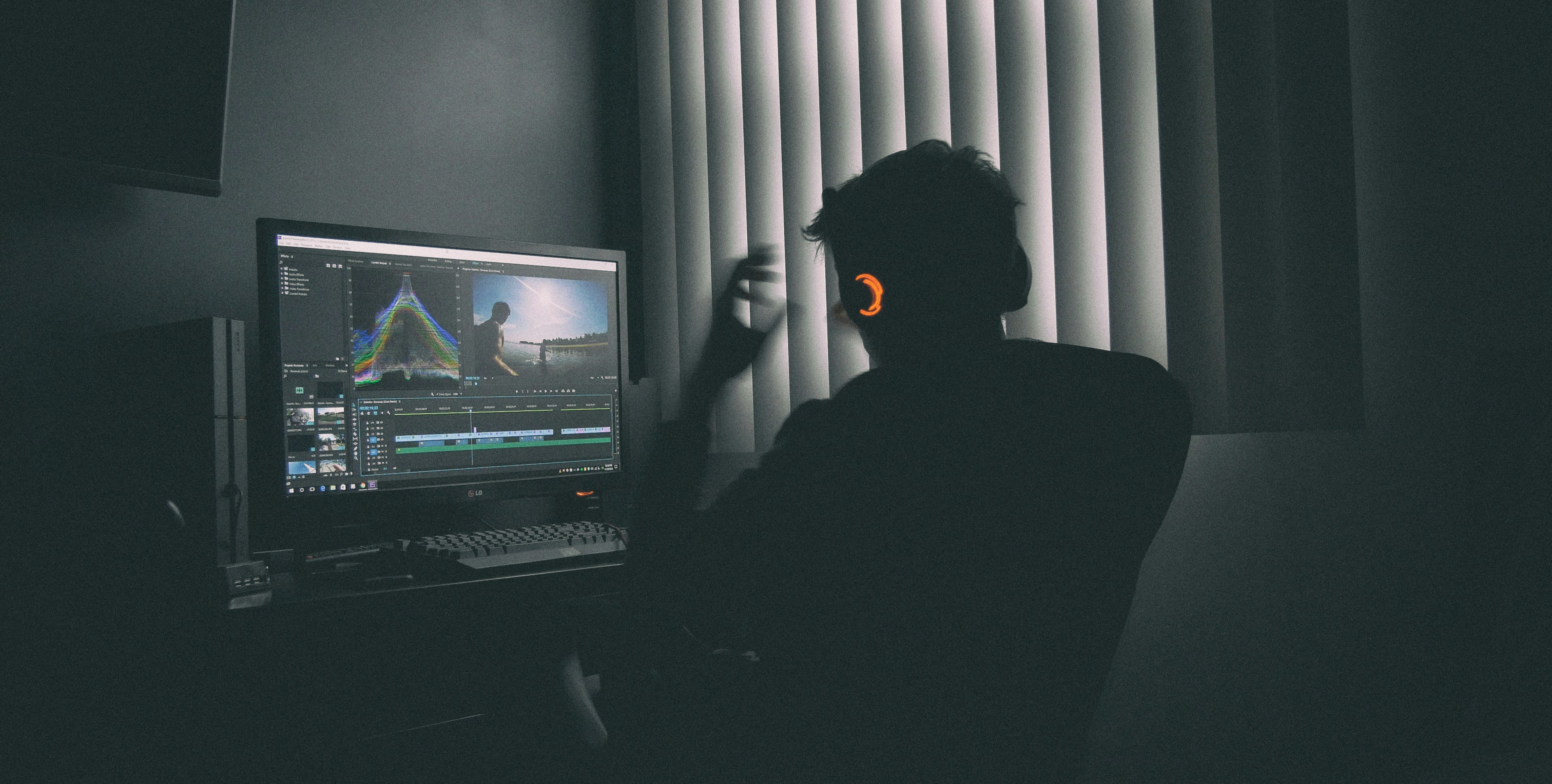
The session teaches participants how to identify which software features use AI processing, how to disable them when working with sensitive material, and how to decide when opt out is necessary versus when the tools can be used without concern.
That decision structure matters because opt out is not always the right answer. A filmmaker cutting an observational documentary about a public event does not face the same requirements as a journalist editing footage of a source in a high-risk legal context. The session aims to help participants calibrate the decision rather than apply a single rule across all situations.
Why This Session Exists Now
AI features have become standard components of the production software that documentary filmmakers use every day. The integration happened gradually, often through updates that did not require active adoption. A filmmaker who has been using the same editing application for five years may now be running AI processes on their footage without having made a deliberate choice to do so.
The frequency of that situation is what made the topic "much requested" by Field of Vision's community. Filmmakers understood that something had changed in their software environment but had limited resources for evaluating which changes required a response and which did not.
AI tools have become central to post production workflows across the industry, from automated editing features to shot consistency generation. The Field of Vision and Freedom of the Press Foundation session addresses the reverse question. When should those tools be switched off?
The Digital Security Clinic has historically focused on communications security, source protection, and safe handling of sensitive files. Those topics have an established literature and a community of technical practitioners who support journalists and documentary filmmakers. The AI features question is newer, and the institutional knowledge base for it is less developed.
The Documentary Filmmaking Context
Documentary filmmakers occupy a specific position in the broader conversation about AI in film production. They are among the most frequent users of archival footage, interview material, and observational recording. Their footage often captures real people in real situations, and those recordings can carry consequences for the subjects, the sources, and the filmmakers themselves.
The introduction of AI processing into that footage, even processing that serves a clear aesthetic purpose, changes the relationship between the recording and the underlying reality it documents. That change has implications for how the footage can be used, how it can be verified, and what claims can be made about what it shows.
A documentary editor who uses an AI upscaling tool to improve the visual quality of archival footage has made the footage look different from how it was originally recorded. Whether that difference matters depends on the context in which the footage is used. For investigative journalism, for legal proceedings, or for historical documentation, it may matter significantly.
What the Session Offers
The "When and How to Opt Out of AI" session gives documentary filmmakers a structured way to assess their own workflows. It does not tell all participants to remove AI tools from their production process. It provides the framework to determine when opt out is warranted and how to implement it within the software they are already using.
For filmmakers working on observational or narrative documentaries without sensitive source considerations, the session provides relevant background on what AI features are doing to their footage even when the stakes are lower. Understanding the tools is useful regardless of whether a specific project requires opt out measures.
The session is free and runs online, which places it within reach of individual filmmakers without institutional support or access to technical advisors. A documentary filmmaker working independently on a journalism project or an advocacy film can attend without a festival credential, a studio affiliation, or a budget for professional security consulting.
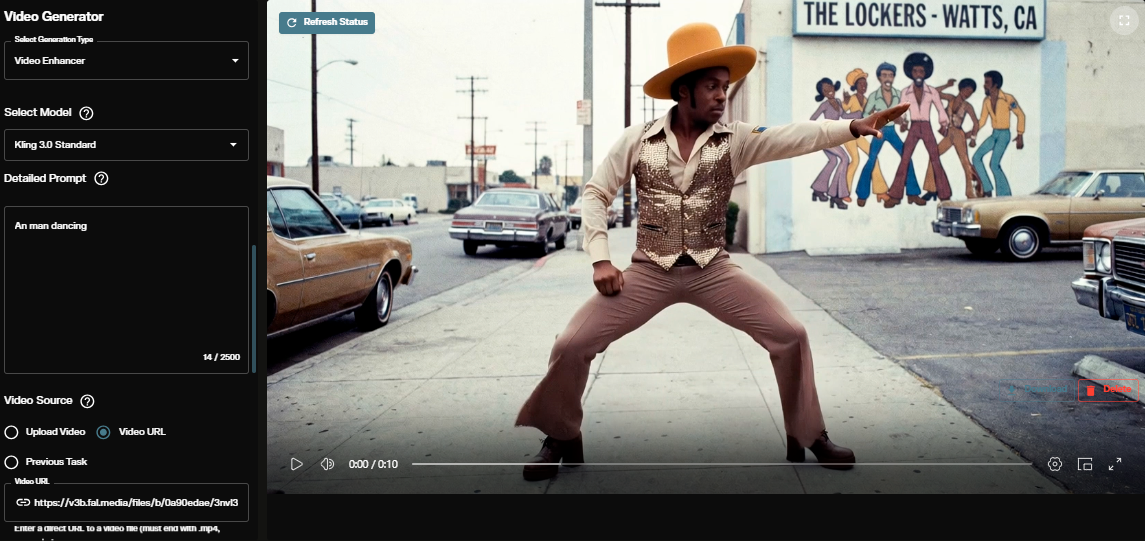
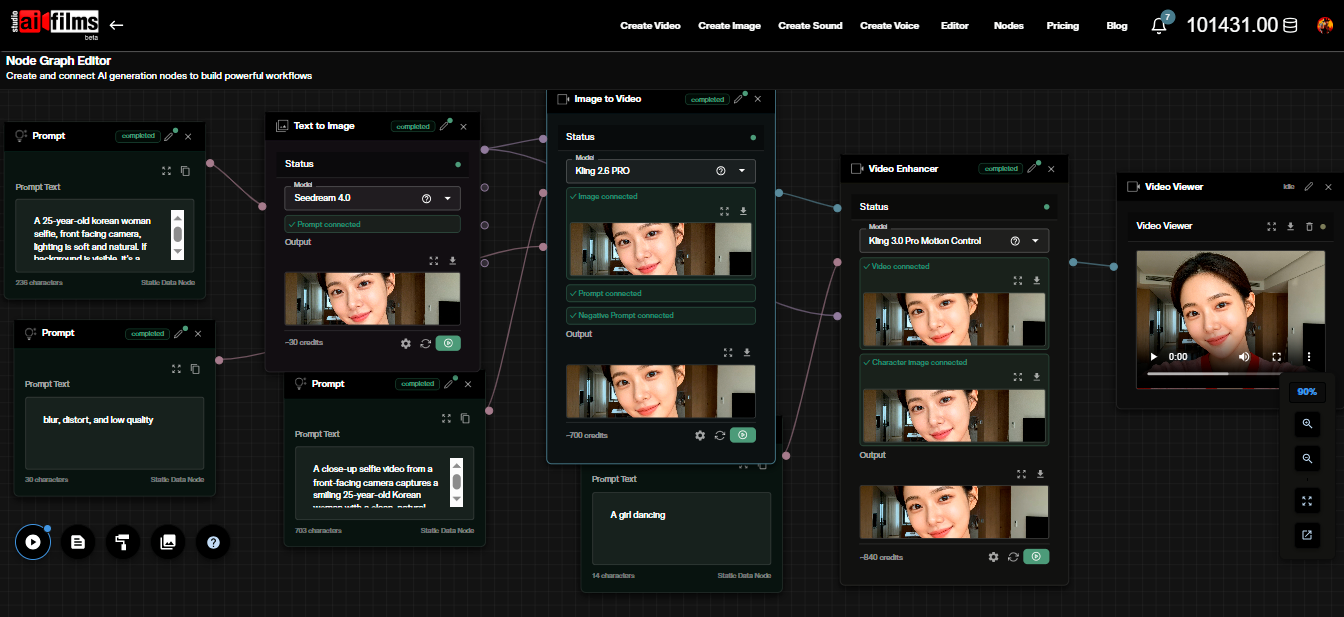
For filmmakers whose work is on the other end of the spectrum, actively using AI generation tools as a creative component of their process, AI FILMS Studio's video workspace offers text-to-video and image-to-video generation with full transparency into what the models are doing and what output they are producing.
Sources
IndieWire | Field of Vision | Freedom of the Press Foundation | No Film School
Continue Reading
.jpg?w=3840)


Video & LipSync
- Video Generator
- Text to Video
- Image to Video
- Start-End Frame to Video
- Draw to Video
- Motion Control
- Video Enhancer
- Video Upscaler
- Video Extend
- Video to Video LipSync
- Audio to Video LipSync
- Image to Video LipSync
- Video FaceSwap
- Seedance 2.5
- WAN 3.0
- Seedance 2
- FLUX 3
- Minimax H3
- Vidu Q3 Pro
- Grok Imagine Video 1.5
- Gemini Omni
- Google Veo 3.1
- Kling 3.0 Pro
- Luma Ray 3.2
- LTX 2.3
- Happy Horse 1.1
- Kling 3.0 Motion
- ByteDance Upscaler
- InfiniteTalk
- InsightFace
Image & Edit
- AI Character
- AI Actor
- Art Generator
- Text to Image
- Image to Image
- LoRA Image to Image
- Draw to Edit
- Image LoRA Training
- Remove Background
- Image Enhancer
- MidJourney 8.0
- Krea 2
- OpenAI GPT Image 2.0
- Nano Banana Pro Ultra
- Nano Banana 2 Lite
- Nano Banana Pro
- Minimax Image
- Clarity Pro
- Z-Image Turbo LoRA
- Krea 2 Turbo LoRA
- Z-Image LoRA Trainer
- Qwen Image LoRA Trainer
- Background Erase Network 2 (BEN2)