
German Dogma 25: Five Top Directors at Cannes Launch a Movement Against AI Cinema
Share this post:
German Dogma 25: Five Top Directors at Cannes Launch a Movement Against AI Cinema
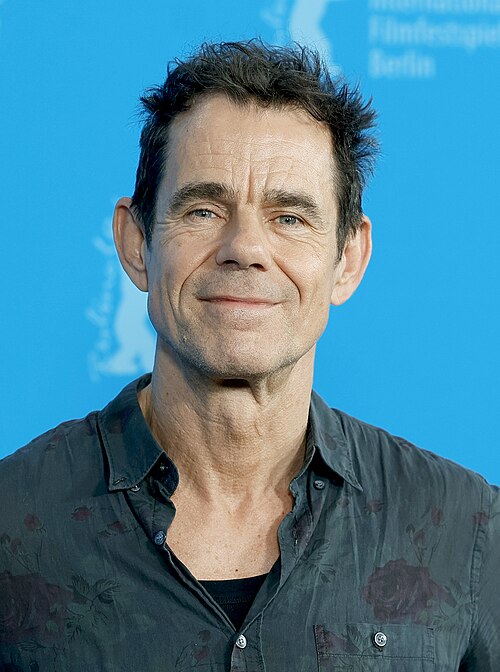
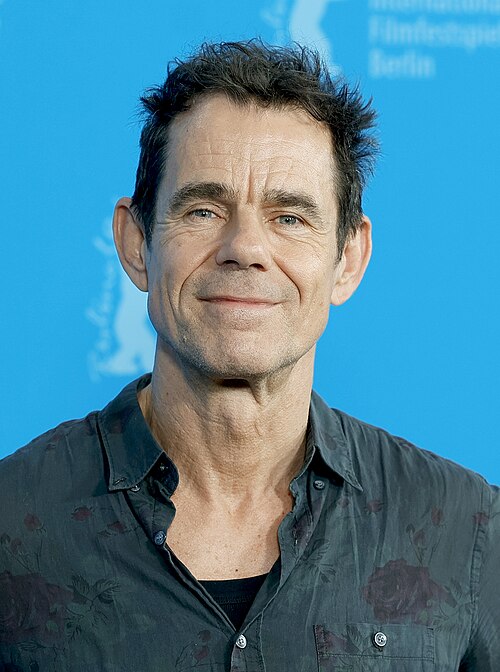
Five German directors announced a new filmmaking movement at the 79th Cannes Film Festival on May 16, 2026, framing it directly as a response to algorithm driven, AI dependent cinema. Tom Tykwer, Nora Fingscheidt, Ilker Catak, Helene Hegemann, and Kurdwin Ayub have each committed to making one feature under ten strict creative rules that eliminate AI tools not by naming them, but by design.
The initiative, called German Dogma 25, is backed by X Verleih, TrustNordisk, ZDF, Arte, and the MOIN Film Fund. Production is a joint venture between X Filme Creative Pool and Zentropa Germany.
Ten Rules, One Silent AI Ban
The German Dogma manifesto lists ten constraints. Scripts must be handwritten. At least 50% of the film must be dialogue free. Crews are capped at ten people. All shooting must take place on location using existing or borrowed equipment. Makeup and body manipulation are banned. Each film must be completed within one year. Directors must approach each project as if it were their last.
Rule four states: "The internet is off limits in all creative processes".
This is not an explicit AI ban. It is something more specific. Every AI generation tool requires an internet connection to operate. The rule makes those tools unavailable for the duration of a Dogma project without mentioning them at all. The manifesto eliminates AI from the creative process by eliminating the infrastructure it depends on.
The Filmmakers Behind It
Tom Tykwer directed Run Lola Run (1998) and created Babylon Berlin, the most expensive German television production on record. Nora Fingscheidt directed System Crasher (2019), which represented Germany at the Academy Awards, and The Unforgivable (2021) for Netflix. Ilker Catak directed The Teachers' Lounge (2023), which earned an Oscar nomination for Best International Feature Film. Helene Hegemann wrote Axolotl Overkill at 17 and has since directed two features. Kurdwin Ayub directed Sonne (2022).
_(cropped).jpg)
These are not directors working at the margins. They direct Netflix originals, Oscar nominated features, and flagship national television. Their decision to make a project under strict Dogma constraints is a deliberate statement from inside the industry, not a protest from outside it.
The Case Against Algorithmic Cinema
The announcement came while the Cannes Marché du Film hosted more than 20 tech centric sessions in its final four days, with AI and virtual production companies filling the floor traditionally occupied by film traders. The timing was not coincidental.
The German Dogma organizers named the context directly. "In a world where formulaic films based on algorithms and artificial visual expression are gaining traction, it is our mission to stand up for the flawed, distinct, and human imprint". The language is competitive, not merely ideological. It identifies algorithm driven filmmaking as producing a specific, recognizable kind of output, and positions strict creative constraint as the alternative that cannot be replicated by a model.
Variety reported that the initiative frames itself as producing "free and unpredictable cinema" at a moment when "cinema faces major structural challenges: productions are becoming more expensive, financing increasingly fragmented and complex, while studios worldwide are prioritizing safety over innovation".
Spreading Across Europe
German Dogma 25 is the second national expansion of a movement that originated with five Nordic directors at Cannes 2025, including Isabella Eklöf, all working under the same ten rules.
Simultaneously with the German announcement, Mia Bays confirmed she will lead a UK edition of Dogma when her term as director of BFI Filmmaking Funds ends in October 2026. Three national movements, all seeded at Cannes, all positioning creative constraint as a formal response to the speed at which AI tools are being absorbed into mainstream production.
The original Dogme 95 movement, launched by Lars von Trier and Thomas Vinterberg in 1995, produced The Celebration and Festen before dissolving as a formal structure. The 2025 revival arrives with a more specific cultural argument: not that technology is dangerous, but that algorithm driven filmmaking and formulaic output are the same problem wearing different clothes.
The broader AI debate that defined Cannes 2026 had filmmakers on every side of the question. Tilda Swinton argued at her masterclass that formulaic AI output cannot compete with adventurous cinema. The German Dogma directors took that argument one step further and built the constraint into the production rules.
For the pro-adoption view from the same festival, see how Mathieu Kassovitz and others described AI cutting budgets from $60M to $25M in their productions.
Jesse Eisenberg took a comparable position at the Karlovy Vary International Film Festival six weeks later, citing Dogma-style restrictions as the framework he admires while shooting 'The Debut' on 16mm film and calling it 'the opposite of AI'. Eisenberg did not sign the German Dogma manifesto, but arrived independently at the same philosophy of productive constraint.
What the Ten Rules Actually Force
Each of the German Dogma rules is a specific response to a specific capability. The handwritten scripts rule removes AI writing assistance. The dialogue free 50% rule cannot be satisfied by AI generated performance, which currently depends on voice and lip sync. The crew cap of ten removes the infrastructure that postproduction AI workflows require. Location shooting with existing equipment makes digital environment replacement unnecessary.
Rule four's internet ban is the most structurally elegant. Rather than listing which tools are forbidden, it removes the infrastructure all of them depend on. An AI generation tool that requires a server call is banned without being named. The rule was written before many of the specific tools it eliminates existed, and it will continue to ban tools that have not been invented yet.
The one year completion deadline is also a constraint that rewards physical production over digital refinement. AI postproduction tools benefit from extended timelines. Longer processing windows, more iteration cycles, and larger rendering budgets all require time. A twelve month hard deadline pushes filmmakers toward approaches where the work is done in the camera, not built in postproduction.
The Nordic Origins and the European Scale
German Dogma 25 is the second national edition of a movement that began at Cannes 2025, when five Nordic directors including Isabella Eklöf committed to the same ten rules. The Nordic edition launched as a statement about what film could resist when tools were abundant. The German edition, launched one year later, arrived when the debate had intensified and the names attached were more prominent.
Tom Tykwer and Nora Fingscheidt are not emerging voices. They are directors with international reputations who make large budget films with major institutions backing them. Their decision to make one project under rules that ban those tools is not a retreat from the mainstream. It is an argument made from inside the mainstream about what the mainstream should value.
The UK edition Mia Bays confirmed will follow in October 2026, when she finishes her term as director of BFI Filmmaking Funds. Three national editions, all seeded at Cannes, all citing the same ten rules, represent a coordinated European response rather than a scattered collection of independent protests.
What the Movement Argues About Cost
Variety's analysis of the German Dogma announcement quoted the organizers on the economic context: "productions are becoming more expensive, financing increasingly fragmented and complex, while studios worldwide are prioritizing safety over innovation." The movement's constraint philosophy is also a cost philosophy. Films made on tight budgets with small crews and no AI postproduction are cheaper than films using AI to extend production capabilities.
The argument is not that cheaper films are better films. It is that the creative choices forced by tight constraints produce a different kind of film than the choices available when every resource is available. The Dogma manifesto takes that logic to its formal extreme: a film made with ten rules and no internet is not a compromise. It is an argument about what filmmaking looks like when stripped of every workaround.
A24's Google DeepMind partnership makes the opposite argument: that AI preproduction tools at the front of the process allow directors to realize more precise visions. Both premises can produce good films. The difference is in what creative condition the director works under, and whether constraint produces or prevents the kind of work each tradition values.
The Constraint Tradition and What It Has Produced
The original Dogme 95 rules were announced by Lars von Trier and Thomas Vinterberg in Paris in 1995 as a direct challenge to a cinema they described as defined by illusion and surface spectacle. The rules were designed to strip the film down to what was left when every technical enhancement was removed: actors, location, light as it exists, sound recorded in the moment. The results were "The Celebration," "Festen," "Julien Donkey-Boy," and a handful of other films that were precisely identifiable by their constraints.
The movement formally dissolved in 2002, but Dogme as an aesthetic logic did not. Every movement that followed, from Mumblecore to the naturalist digital wave of the 2010s, addressed some version of the same question: what does the camera capture when it stops trying to approximate something it is not? German Dogma 25 is the most explicit successor, and the internet ban gives it a specific target that Dogme 95 did not need.
The five German directors who signed the manifesto are not arguing that technology is bad. They are arguing that the specific technology of AI generation produces a specific kind of cinema, and that a deliberate rejection of it produces a different kind. The ten rules are the method. The films they produce will be the evidence.
Whether those films reach audiences outside the festival circuit and art house distribution is a separate question from whether they represent a credible artistic argument. Dogme 95 reached art house audiences globally with films that were visually and narratively unlike anything produced by conventional means. German Dogma 25 has the institutional backing (X Verleih, TrustNordisk, ZDF, Arte) to reach the same audience. The question is whether that audience's appetite for this kind of constraint based work has grown since 1995 or contracted.
The more interesting question may be what happens to the broader debate if one of the Dogma 25 films wins a major prize. A Palme d'Or or a Golden Lion awarded to a film made under the ten rules, in the same year as the A24 DeepMind partnership announcement, would reframe the terms of the conversation in a way that no manifesto can.
The original Dogme films succeeded in part because the constraint produced a specific look that audiences could identify. That visual recognizability made the movement legible as an aesthetic position rather than just a political one. German Dogma 25 faces the same challenge: the films will need to be recognizable as German Dogma films for the movement to register as an aesthetic category. The ten rules describe production conditions, not aesthetic outcomes. The filmmakers have to do the rest.
Tykwer's body of work suggests he has thought about this problem. Run Lola Run was formally inventive within the conventions of European cinema. Babylon Berlin was formally inventive within the conventions of prestige television. A film made under ten strict constraints would be formally inventive in a third direction. That range is evidence that the constraint is a generative condition for him rather than a limitation.
Nora Fingscheidt's trajectory is the most striking. System Crasher played in major festivals and reached international audiences with a difficult subject and an uncompromising approach. The Outrun, in 2024, extended that reach with a more commercially accessible project. A German Dogma film would represent a deliberate step away from that commercial accessibility, which is a choice that carries real cost and real credibility simultaneously.
The five directors each make their project independently under the same rules. What they will have in common is the production conditions. What the films will share in terms of aesthetics, tone, and approach remains to be seen. The movement will be judged by whichever film arrives first.
Ilker Catak's presence adds a generational dimension the original Dogme 95 did not have. The Teachers' Lounge came from a director who entered European cinema well after the AI debate had begun. His choice to sign the manifesto is not a nostalgic gesture. It is a decision about what conditions he wants for his work, made at the start of a career rather than in defense of an established one.
Helene Hegemann and Kurdwin Ayub are the two directors in the group with the least institutional profile internationally. Their participation matters because it demonstrates that the movement is not limited to directors protecting existing reputations. Both have built their work on formally unconventional approaches and will bring different kinds of formal risk to the project.
Whether the UK Dogma edition Mia Bays will launch in late 2026 produces a different kind of result than the German and Nordic editions remains an open question. Bays's institutional position at the BFI gives the UK edition a different relationship to the funding structures that the German edition's backing from ZDF and Arte represent. Three national editions is enough to constitute a movement. Whether it becomes a lasting alternative practice depends on what the films are.
BFI Filmmaking Funds supports projects that fit the fund's mandate toward British independent cinema. A Dogma film under that mandate would have to navigate the tension between formal constraint and the requirements of publicly funded British film production.
That negotiation is itself a version of the same tension the movement addresses. What does a filmmaker compromise when institutional infrastructure is involved, and what is preserved?
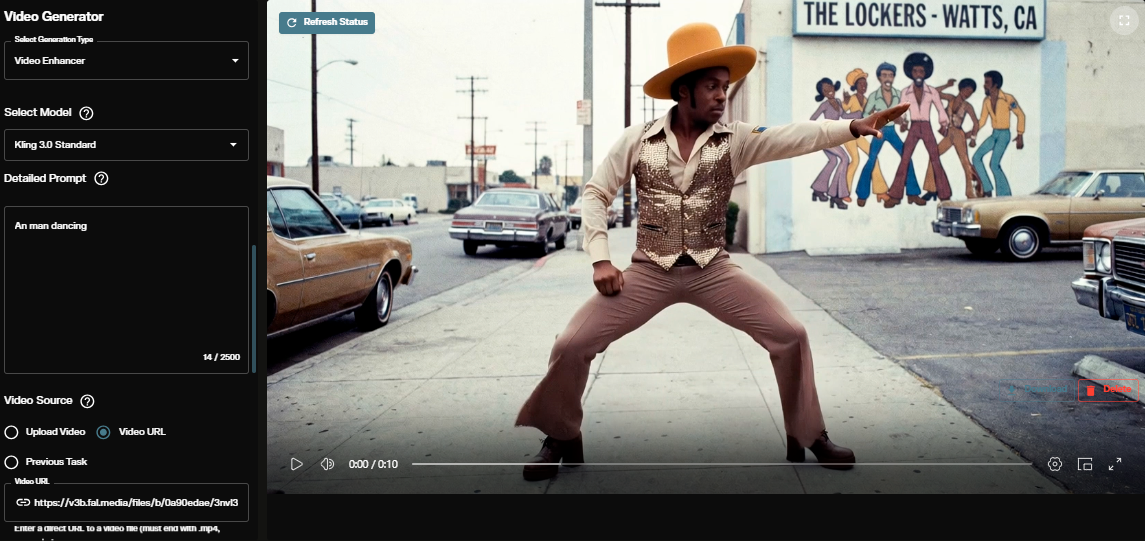
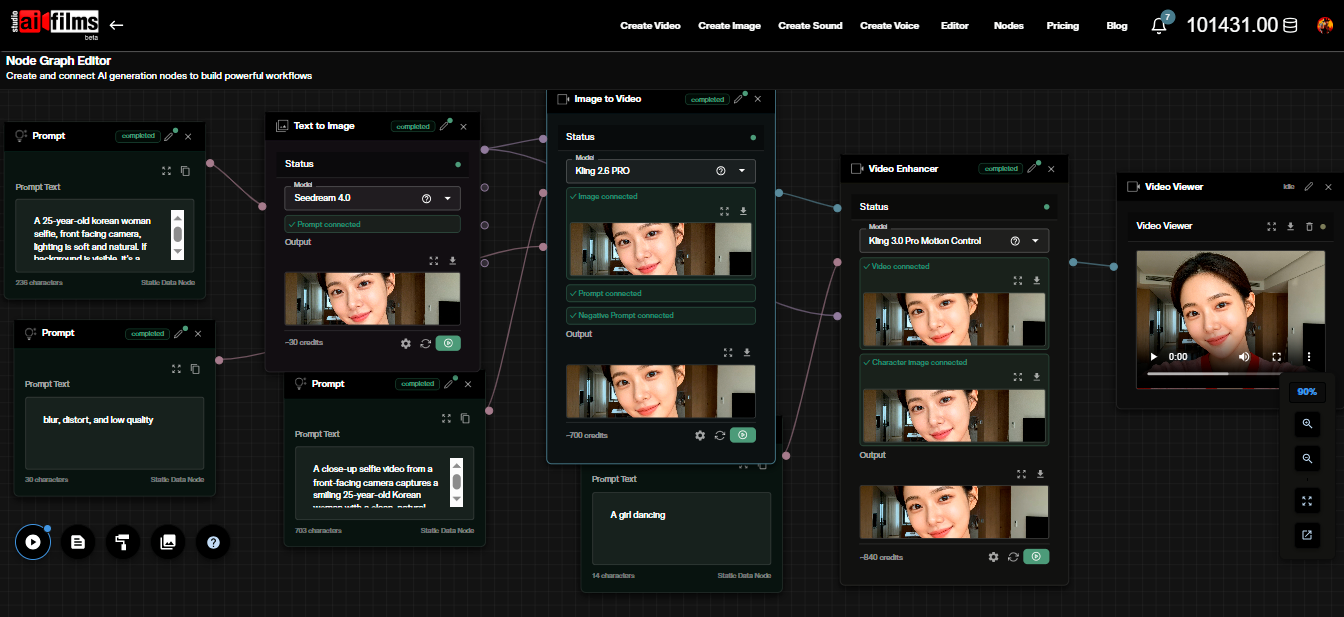
Filmmakers building projects under tight constraints can test what modern AI tools offer in pre production through the video workspace before deciding where to draw their own lines.
Sources
Screen Daily | Variety | Deadline | The Hollywood Reporter
Continue Reading
.jpg?w=3840)


_(cropped).jpg)
Video & LipSync
- Video Generator
- Text to Video
- Image to Video
- Start-End Frame to Video
- Draw to Video
- Motion Control
- Video Enhancer
- Video Upscaler
- Video Extend
- Video to Video LipSync
- Audio to Video LipSync
- Image to Video LipSync
- Video FaceSwap
- Seedance 2.5
- WAN 3.0
- Seedance 2
- FLUX 3
- Minimax H3
- Vidu Q3 Pro
- Grok Imagine Video 1.5
- Gemini Omni
- Google Veo 3.1
- Kling 3.0 Pro
- Luma Ray 3.2
- LTX 2.3
- Happy Horse 1.1
- Kling 3.0 Motion
- ByteDance Upscaler
- InfiniteTalk
- InsightFace
Image & Edit
- AI Character
- AI Actor
- Art Generator
- Text to Image
- Image to Image
- LoRA Image to Image
- Draw to Edit
- Image LoRA Training
- Remove Background
- Image Enhancer
- MidJourney 8.0
- Krea 2
- OpenAI GPT Image 2.0
- Nano Banana Pro Ultra
- Nano Banana 2 Lite
- Nano Banana Pro
- Minimax Image
- Clarity Pro
- Z-Image Turbo LoRA
- Krea 2 Turbo LoRA
- Z-Image LoRA Trainer
- Qwen Image LoRA Trainer
- Background Erase Network 2 (BEN2)