
'Human Provenance in Film': New AI Disclosure Standard
.jpg?w=3840&q=90)
Share this post:
'Human Provenance in Film': New AI Disclosure Standard
A free, open AI disclosure standard for film and television launched at the Cannes Film Market on May 12, 2026. Called Human Provenance in Film, the initiative was created by The Mise En Scène Company, an international film sales agency based in London and led by Angelina Lamke. The standard is open for industry consultation through October 31, 2026.
The Three Tier Taxonomy
The standard defines three levels of AI use in any production:
| Tier | Label | Definition |
|---|---|---|
| 1 | No AI Used | No generative or assistive AI tools were involved in any part of the production. |
| 2 | Assistive AI | AI tools assisted human creators in editing, scheduling, or research, but generated no content included in the final work. |
| 3 | Generative AI | AI generated visual, audio, or written content appears in the final work. |
The taxonomy integrates into existing sales and distribution paperwork. No separate reporting pipeline is required. Producers, distributors, platforms, insurers, and exhibitors can all participate without adopting new systems.
An Open License
Human Provenance in Film is published under a CC BY 4.0 open license. Any company may adopt, adapt, and implement it at no cost and without seeking permission. The only requirement is credit to the original initiative.
Paul Yates, CEO and spokesperson, framed the goal as building "a common language, a common understanding, and a collective industry agreement." Governance is designed to transfer eventually to an independent industry body, removing it from control by any single company.
.jpg)
The Consumer Data Behind It
The initiative draws on Deloitte and Baringa research showing that 77% of consumers want to know whether content was made by AI in whole or in part. A separate figure from the same research: 70% say they would rather watch a film or show made by a human than one made by AI.
Those numbers provide the commercial case for voluntary adoption. Distributors and platforms that display the taxonomy are signaling something audiences say they want to know.
Two Sides of the Same Accountability Shift
The Academy of Motion Picture Arts and Sciences introduced an Affidavit of Human Origin for acting and screenplay submissions at the 99th Oscars. That affidavit governs the awards end of the pipeline. Human Provenance in Film is the market side counterpart: a voluntary supply chain disclosure mechanism designed to travel with every film through sales, rather than sitting at the awards finish line.
SAG-AFTRA's 2026 labor agreement handles the production side, establishing consent and compensation rules for synthetic performers. HPF fills a gap neither academy rules nor labor contracts cover: what information about AI use gets communicated once a film enters the international market.
.jpg)
The Marché du Film ran over 45 AI focused panels in its 2026 program. Human Provenance in Film is one of several disclosure frameworks moving through the industry simultaneously, alongside the Golden Globes' 2027 AI disclosure requirement for eligible works. The initiative gained urgency after European creators concluded the EU AI Act's implementation had failed to deliver meaningful transparency obligations, leaving the market to build its own standard.
The gap the standard is designed to close became visible in June 2026, when director Adam Shankman had to publicly defend his human VFX team on Instagram after audiences assumed an AI vendor credit in the end titles meant AI appeared on screen. Had a Tier 2 label traveled with the film, there would have been nothing to clarify. PBS applied a comparable in-frame transparency principle that same month, marking AI animated portraits in the documentary Declarations: Black Americans and the Revolutionary War with a rough black border throughout every affected shot.
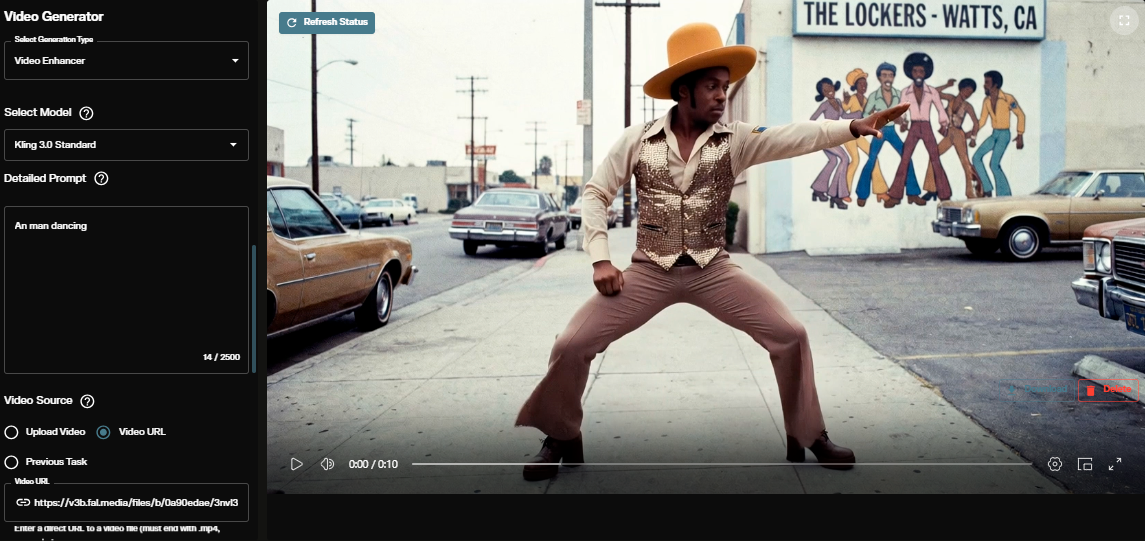
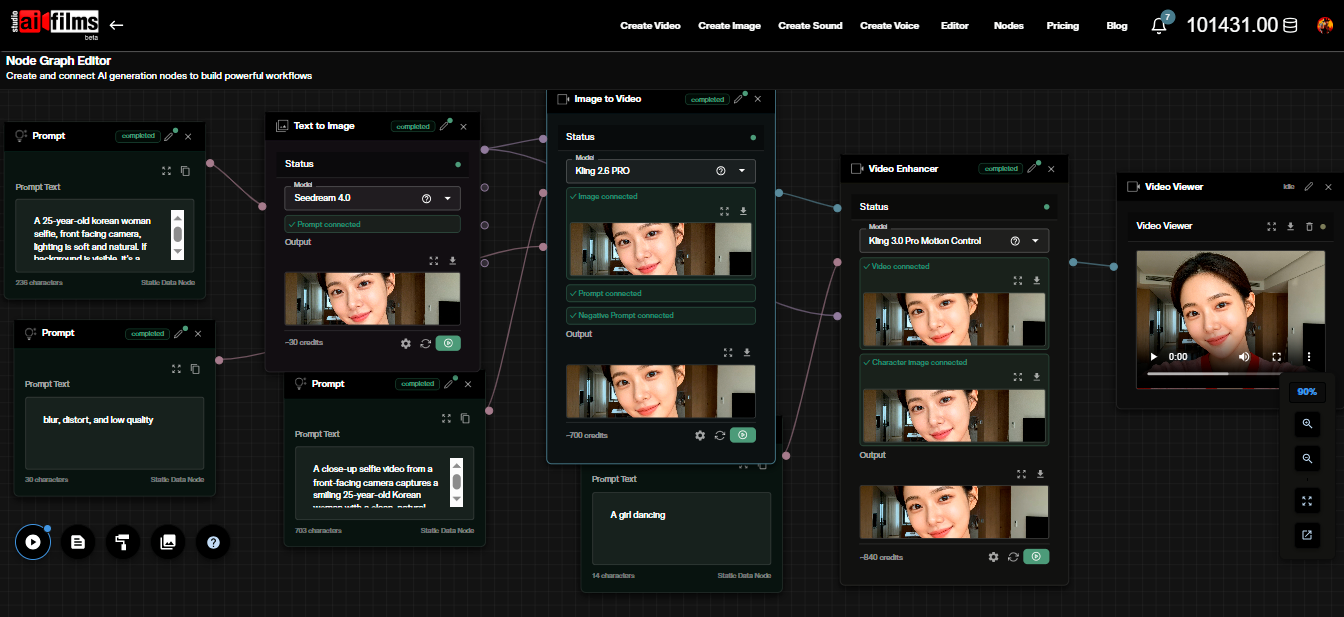
Filmmakers generating AI content for productions can work with the latest text-to-video and image-to-video models at AI FILMS Studio.
Adoption Mechanics: Who Signs On and How
Human Provenance in Film requires no separate reporting pipeline because it is designed to travel inside existing paperwork. Producers attach a tier label to sales agent deliverables. Distributors carry it into acquisition agreements. Platforms embed it in licensing schedules. Each step adds the disclosure without creating a new administrative process.
The governance timeline matters for adoption. The standard is open for consultation through October 31, 2026. Angelina Lamke and Paul Yates have said governance will eventually transfer to an independent industry body, removing the standard from control by any single company. That commitment addresses the concern that a proprietary standard run by a commercial entity would serve the entity's interests over the industry's. The transfer timeline has not been announced.
Insurers are a key constituency. Errors and omissions policies for AI generated content are an active area of development in the entertainment insurance market. A production that can demonstrate its AI use falls within Tier 2 or Tier 3 on a documented standard may find clearer paths to coverage than one that cannot describe its AI use in industry standard terms. HPF does not directly change what insurers require, but it gives the industry a vocabulary for conversations that previously lacked one.
The Gap Between Awards and Market Disclosure
The Academy's Affidavit of Human Origin for acting and screenplay submissions addresses AI at the awards eligibility end of the pipeline. HPF addresses the sales and distribution end. The two mechanisms cover different stages and different purposes, but together they are creating a fuller picture of what AI disclosure in film actually requires.
Neither mechanism is mandatory for theatrical release in most markets. HPF is voluntary. The Academy affidavit applies only to Oscar eligible submissions. The Golden Globes introduced a 2027 AI disclosure requirement for eligible works, which covers one more point on the awards circuit. None of these impose obligations on a film that is not seeking an award and is selling into markets that do not require disclosure.
The EU AI Act's AI generated content labeling obligations represent the first regulatory mandate rather than voluntary framework. Those obligations apply to content distributed in EU markets and are binding rather than voluntary. HPF's CC BY 4.0 structure means it can be adopted by European distributors as a practical implementation of the AI Act's labeling requirement without requiring a separate bureaucratic process. The alignment between HPF's taxonomy and what the AI Act requires is close enough that early adopters in European markets may find the two complement rather than duplicate each other.
Why Timing Matters: The Shankman Case
The Shankman incident that HPF's creators cite as an example of the gap the standard is designed to close is instructive for what disclosure failures look like in practice. Director Adam Shankman posted on Instagram defending his human VFX team after audiences read an AI vendor credit in the end titles as proof that AI appeared on screen. A Tier 2 Assistive AI label on the film would have specified that AI assisted production without generating AI content in the final cut, which is precisely the distinction the audience was unable to make from the credits alone.
The incident cost nothing financially and was resolved quickly. But it illustrates how the absence of a shared vocabulary forces creators into reactive public communication rather than proactive disclosure. HPF is attempting to move that communication upstream, into the sales and distribution paperwork, before a film reaches audiences.
The PBS Declarations case demonstrates that filmmakers are willing to innovate on disclosure before any standard exists. The production team invented their own mechanism, a rough black border on every AI animated frame, because no industry standard offered an alternative. HPF is trying to create the standard so individual productions do not have to invent one.
International Implications and the EU AI Act
HPF's CC BY 4.0 open license means any organization in any market can adopt it without negotiation or fee. That accessibility matters for international distribution, where films often pass through 10 or 20 markets with different AI labeling expectations. A single HPF disclosure label that travels with the film's deliverables gives distributors a consistent answer to multiple markets' emerging requirements.
The EU AI Act imposes labeling obligations on AI generated audiovisual content distributed in EU member states. HPF's Tier 3 label covers this category by design. A film marked Tier 3 under HPF can reference that designation in EU compliance documentation, aligning the voluntary disclosure with a binding regulatory requirement without creating a separate administrative process.
Markets in Asia and South America are at earlier stages of AI disclosure regulation. HPF is designed to be adoptable before regulatory mandates arrive, giving films entering those markets documented disclosure infrastructure rather than scrambling to build one when legislation catches up. The consultation period through October 31, 2026 is partly intended to incorporate feedback from international distributors about how the taxonomy works across different regulatory environments.
The Consumer Data and Why It Changes the Calculation
The Deloitte and Baringa research that underpins HPF deserves attention because it is specific rather than directional. Saying 77% of consumers want disclosure is a strong number, but the more commercially significant figure is the 70% who say they would rather watch content made by a human than by AI.
That second number tells distributors something actionable. A film labeled Tier 1, No AI Used, can use that designation as an audience differentiation signal in markets where AI skepticism is high. A film labeled Tier 3, Generative AI, can contextualize that use for audiences who would otherwise discover it through press coverage or social media and interpret it as concealment rather than production choice.
HPF does not dictate how labels are displayed to audiences. It specifies what the label means and how it travels through the industry supply chain. Whether a streamer surfaces the label to subscribers or a theatrical distributor puts it in credits or press materials is a downstream choice HPF's structure leaves open. The standard provides the vocabulary. The industry decides how loudly to use it.
What Adoption in 2026 Actually Looks Like
Human Provenance in Film is in its consultation phase. The Mise En Scène Company has been circulating the standard to film sales agents, distributors, platforms, insurers, and exhibitors since the Cannes Film Market launch in May 2026. Early adopters are not yet publicly named, though the initiative's press coverage suggests interest from independent distributors in Europe and the UK.
The standard's open license means adoption can happen without a public announcement. A sales agent who builds the tier taxonomy into their standard deliverables template is adopting HPF whether or not they issue a press release about it. That quiet adoption model is how many industry standards spread before they reach critical mass. The consultation process through October 2026 is partly designed to collect those adoption signals and use them to strengthen the standard's second version before governance transfers to an independent body.
The most significant adoption signal to watch is whether any major US streamer or studio incorporates the taxonomy into acquisition or commissioning paperwork. A Netflix or Apple requirement for HPF disclosure in content deliverables would accelerate adoption faster than any number of independent signatories, because every production that sells into those platforms would need to comply. That kind of institutional adoption has not been announced.
For now, HPF is a market infrastructure project in its early phase. The standard exists, the open license makes adoption free, and the Cannes launch gave it visibility in the community most likely to use it. The next six months of consultation and adoption signals will determine whether it becomes the industry reference or one of several competing frameworks that the market eventually consolidates around.
Filmmakers working with AI tools today do not need to wait for the standard to settle. The Tier 2 and Tier 3 distinction, assistive AI versus generative AI content, is clear enough to apply now. Documenting which tier applies to a production and including that information in sales deliverables is a practice any producer can adopt immediately, before the formal governance structure is in place.
The consultation process ending October 31 is the moment to shape the standard before it hardens into an established framework. The cost of operating without it became concrete in July 2026 when a $2.4 million book deal collapsed after AI authorship could not be authenticated, halting film and TV adaptation talks before any rights were established. Sales agents, insurers, and international distributors who have operational feedback about how the taxonomy works in practice should engage through The Mise En Scène Company before the consultation closes. The second version of HPF will reflect whoever chose to participate in the first version's review.
The standard's open license also means that any organization can build on it without seeking permission. A documentary festival that wants to require HPF disclosure in submissions can adopt the taxonomy directly. A national film agency that wants to reference it in funding application requirements can do so. The CC BY 4.0 license was chosen specifically to allow that kind of downstream use without administrative overhead.
The independent governance transfer that the initiative has promised is the long term test of whether HPF becomes a durable industry standard or a company initiative that fades when the founding organization loses interest. That transfer has not happened yet. The October 2026 consultation close will be the first major signal of whether the industry governance community has the appetite to take it on.
Sources
Variety | Deadline | Human Provenance in Film | Two Birds | Outlook India
Continue Reading
.jpg?w=3840)


Video & LipSync
- Video Generator
- Text to Video
- Image to Video
- Start-End Frame to Video
- Draw to Video
- Motion Control
- Video Enhancer
- Video Upscaler
- Video Extend
- Video to Video LipSync
- Audio to Video LipSync
- Image to Video LipSync
- Video FaceSwap
- Seedance 2.5
- WAN 3.0
- Seedance 2
- FLUX 3
- Minimax H3
- Vidu Q3 Pro
- Grok Imagine Video 1.5
- Gemini Omni
- Google Veo 3.1
- Kling 3.0 Pro
- Luma Ray 3.2
- LTX 2.3
- Happy Horse 1.1
- Kling 3.0 Motion
- ByteDance Upscaler
- InfiniteTalk
- InsightFace
Image & Edit
- AI Character
- AI Actor
- Art Generator
- Text to Image
- Image to Image
- LoRA Image to Image
- Draw to Edit
- Image LoRA Training
- Remove Background
- Image Enhancer
- MidJourney 8.0
- Krea 2
- OpenAI GPT Image 2.0
- Nano Banana Pro Ultra
- Nano Banana 2 Lite
- Nano Banana Pro
- Minimax Image
- Clarity Pro
- Z-Image Turbo LoRA
- Krea 2 Turbo LoRA
- Z-Image LoRA Trainer
- Qwen Image LoRA Trainer
- Background Erase Network 2 (BEN2)