
The Joe Rogan Experience (Episode #2452), featuring Roger Avary
Share this post:
Rana Daggubati: AI is Rewriting the Grammar of Cinema
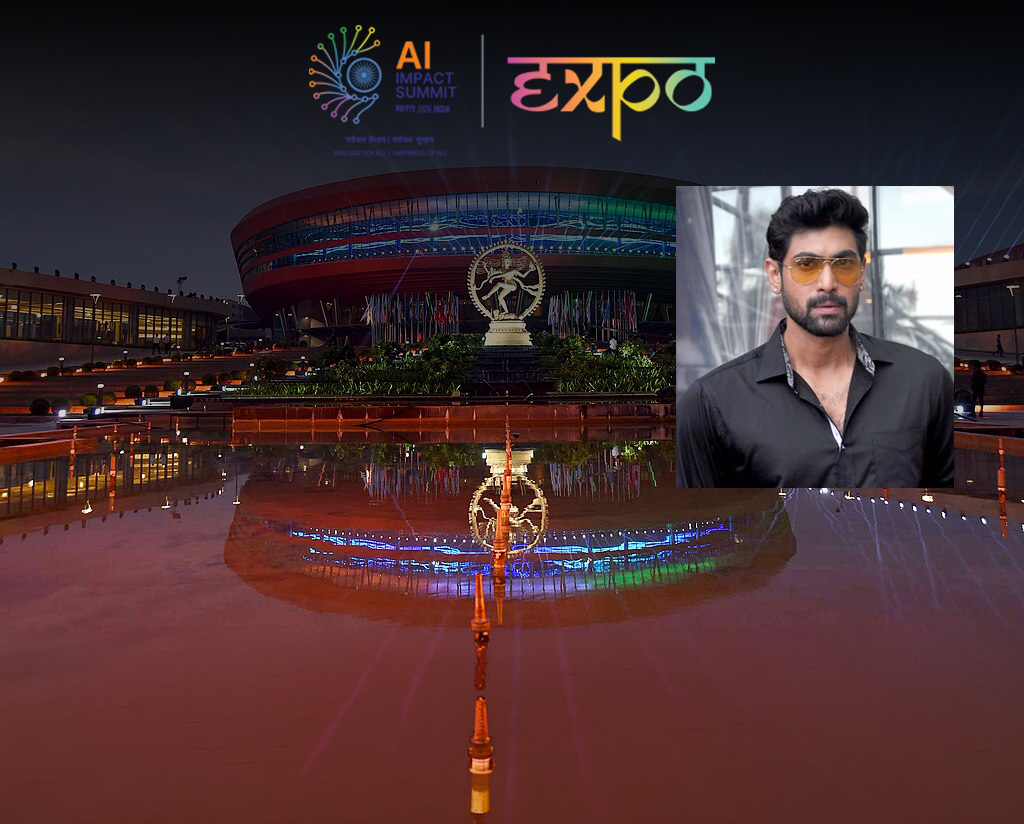
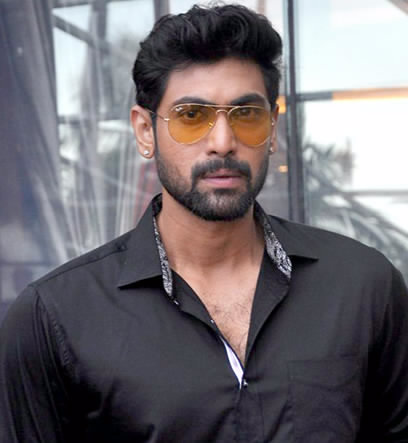
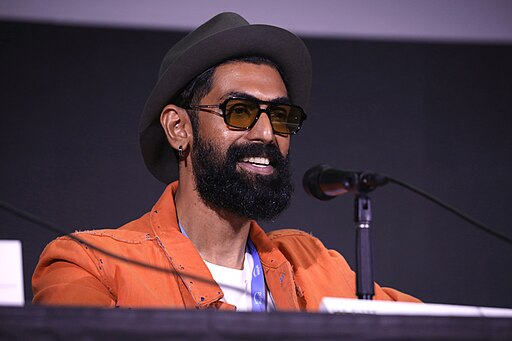
At India's AI Impact Summit on February 16, actor and producer Rana Daggubati declared that artificial intelligence is fundamentally altering how films are made. VFX shots that previously required five days of processing are now completed in two to three hours, allowing filmmakers to visualize entire movies before cameras roll.
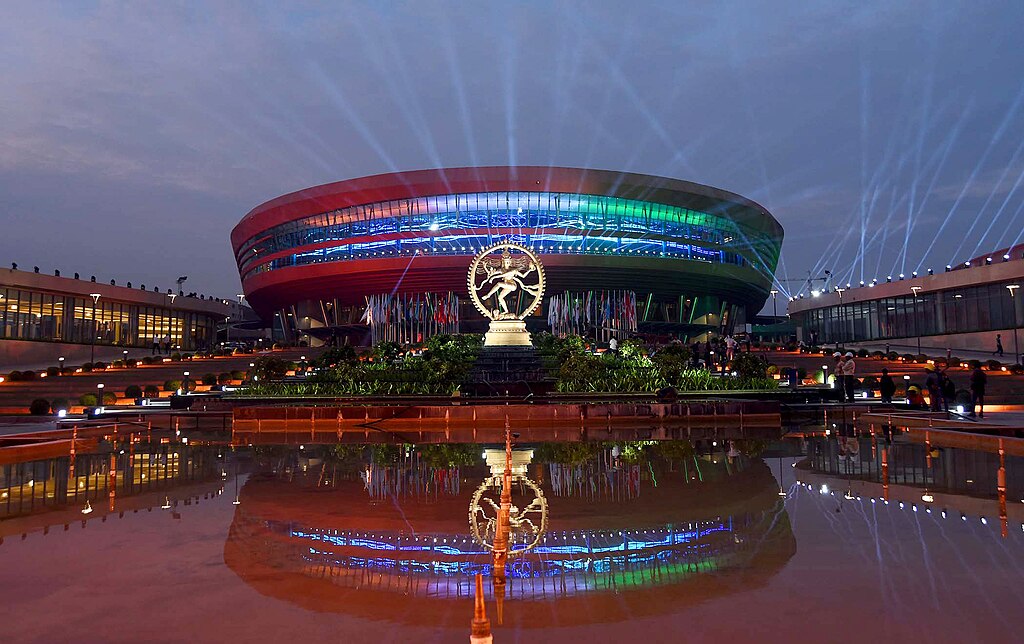
The timing is deliberate. India hosted the first global AI summit in the Global South, positioning itself at the center of technology policy and industrial transformation. The event, organized by the Ministry of Electronics and IT at Bharat Mandapam, drew industry leaders, policymakers, and filmmakers to address AI's role in creative industries.
From Days to Hours: The VFX Timeline Collapse
Daggubati's central claim is precise. "What used to take us three to five days," he stated, "now takes two to three hours." This is not incremental improvement. It represents a shift in production economics that changes what is financially viable for independent creators and major studios alike.
Pre-visualization has existed for decades. Directors and cinematographers use it to plan complex sequences before committing resources to physical production. What has changed is velocity. The ability to generate and iterate VFX shots in hours rather than days compresses the feedback loop. Filmmakers can now "watch" their entire movie during the pre-visualization stage, a workflow that was economically prohibitive for all but the largest productions.
The economic implications are straightforward. Faster turnaround times reduce labor costs and accelerate project timelines. Smaller production teams can access workflows previously reserved for blockbusters. This democratization thesis has been recurring in conversations about AI and filmmaking for the past year, but Daggubati's comments provide a specific benchmark.
The Divide: IP Builders vs Tool Users
Daggubati framed the industry split bluntly. "There will always be a divide," he said, "between the people who are building IP and the people who are using the tool." This is not a technical observation. It is a power structure.
Intellectual property ownership determines revenue streams in the entertainment industry. Filmmakers who build proprietary IP, whether characters, stories, or visual worlds, capture long term value. Those who use tools as service providers operate on a different revenue model. Daggubati's point is that AI accelerates both paths, but the structural divide remains.
This aligns with broader industry trends. John Gore Studios' acquisition of Deep Fusion Films signals institutional investment in AI production companies that own both the technology and the content. The divide Daggubati describes is not hypothetical. It is already visible in deal structures and financing conversations.
AI Impact Summit: The India Context
The AI Impact Summit is a government backed initiative to position India as a leader in AI policy and industrial application. The February 19-20, 2026 event at Bharat Mandapam brought together ministers, tech executives, and creative industry representatives to address AI's economic impact.
The summit's stated focus was inclusive growth. India aims to leverage AI across sectors, from agriculture to filmmaking, while establishing regulatory frameworks that encourage innovation without sacrificing oversight. The inclusion of filmmakers like Daggubati signals that creative industries are central to this strategy, not peripheral.
This is a calculated positioning. India has the world's largest film industry by volume, producing over 1,800 films annually across multiple languages. If AI tools reduce production costs and timelines, Indian filmmakers gain competitive advantages in global markets. The government's involvement suggests this is recognized as an industrial policy opportunity, not just a technological curiosity.
The Wider Industry Pattern
Daggubati is one voice in a growing chorus. Roger Avary pivoted to AI filmmaking after years of failed traditional financing, describing how the AI label attracted Silicon Valley investment that Hollywood gatekeepers would never provide. George Miller has spoken about AI's potential to expand creative possibilities in pre-production. Darren Aronofsky announced an AI assisted Revolutionary War project, and Timur Bekmambetov has been producing AI driven content for months.
The pattern is consistent. Established filmmakers with decades of industry experience are not dismissing AI as a gimmick. They are integrating it into production workflows and financing strategies. The common thread is speed and cost reduction in pre-production and VFX workflows, exactly the areas Daggubati emphasized.
Practical Implications for Filmmakers
The shift Daggubati describes has immediate consequences for independent filmmakers. Projects that were economically unfeasible six months ago are now viable. The barrier to entry for sophisticated visual storytelling has dropped. This does not eliminate the need for creative vision or technical skill, but it removes cost as a prohibitive factor for many types of projects.
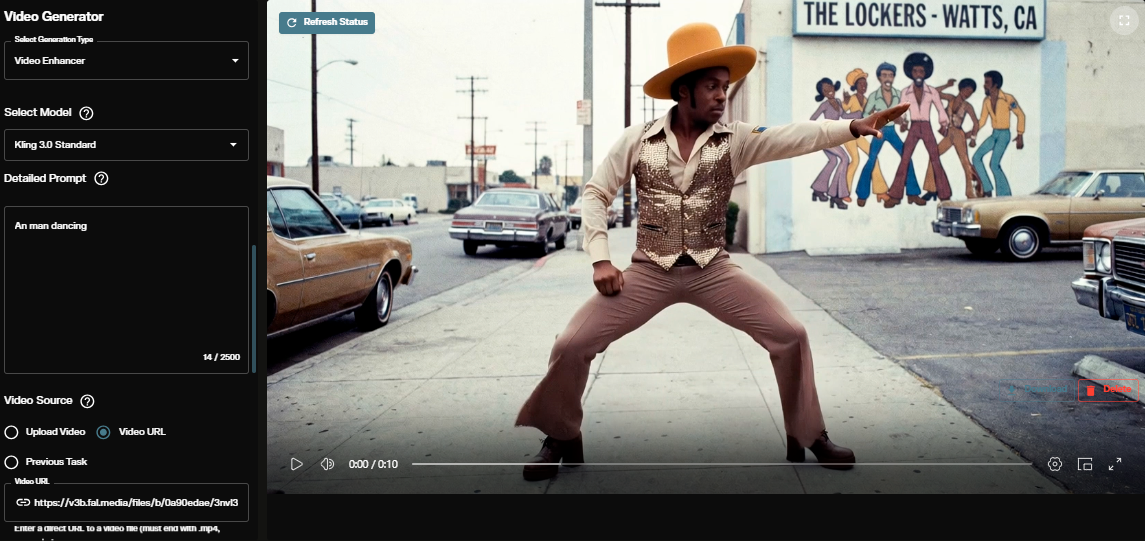
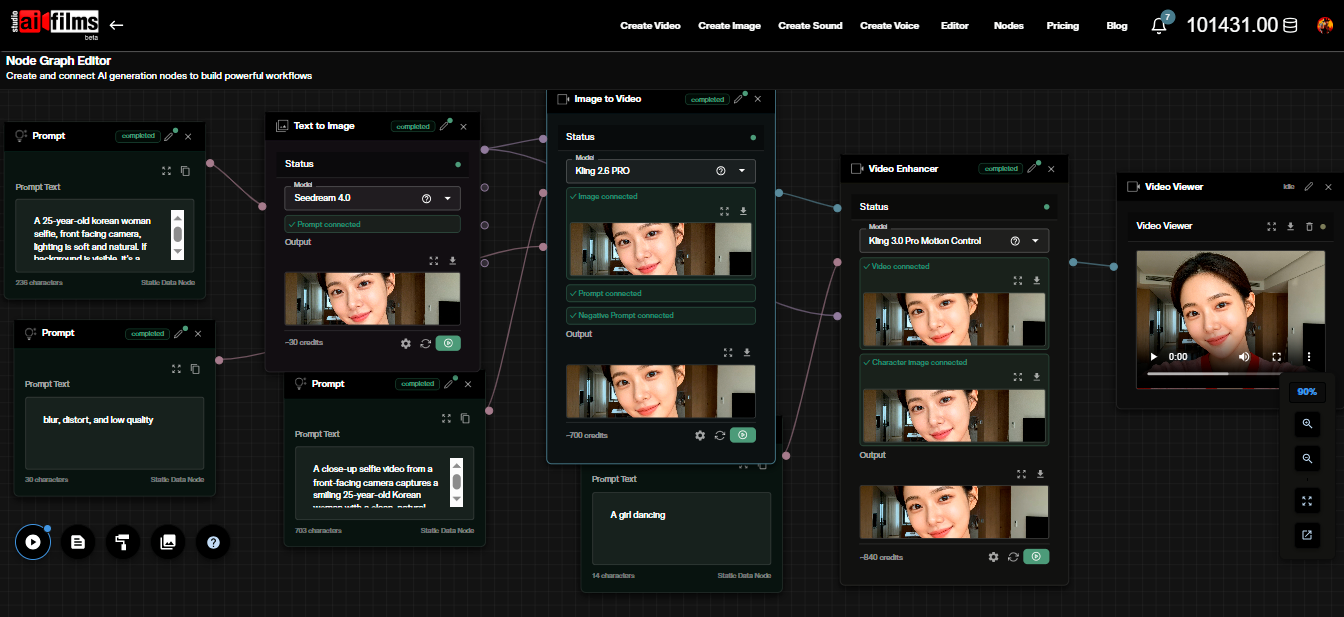
Tools like AI FILMS Studio make these workflows accessible to creators at every budget level. The ability to generate and iterate VFX sequences in hours rather than days is no longer exclusive to major studios. Independent filmmakers can now prototype complex visual concepts during the development phase, refining their vision before committing to physical production.
The question is not whether AI will impact filmmaking. It already has. The question is how quickly production workflows adapt and how the economic benefits distribute across the industry. Daggubati's comments suggest the timeline is measured in months, not years.
Sources
The Economic Times: "AI quietly rewriting grammar of cinema"
economictimes.com
Government of India: "India to host AI Impact Summit 2026: 19-20 February 2026"
cgichicago.gov.in
Continue Reading


Video & LipSync
- Video Generator
- Text to Video
- Image to Video
- Start-End Frame to Video
- Draw to Video
- Motion Control
- Video Enhancer
- Video Upscaler
- Video Extend
- Video to Video LipSync
- Audio to Video LipSync
- Image to Video LipSync
- Video FaceSwap
- Seedance 2.5
- WAN 3.0
- Seedance 2
- FLUX 3
- Minimax H3
- Vidu Q3 Pro
- Grok Imagine Video 1.5
- Gemini Omni
- Google Veo 3.1
- Kling 3.0 Pro
- Luma Ray 3.2
- LTX 2.3
- Happy Horse 1.1
- Kling 3.0 Motion
- ByteDance Upscaler
- InfiniteTalk
- InsightFace
Image & Edit
- AI Character
- AI Actor
- Art Generator
- Text to Image
- Image to Image
- LoRA Image to Image
- Draw to Edit
- Image LoRA Training
- Remove Background
- Image Enhancer
- MidJourney 8.0
- Krea 2
- OpenAI GPT Image 2.0
- Nano Banana Pro Ultra
- Nano Banana 2 Lite
- Nano Banana Pro
- Minimax Image
- Clarity Pro
- Z-Image Turbo LoRA
- Krea 2 Turbo LoRA
- Z-Image LoRA Trainer
- Qwen Image LoRA Trainer
- Background Erase Network 2 (BEN2)