
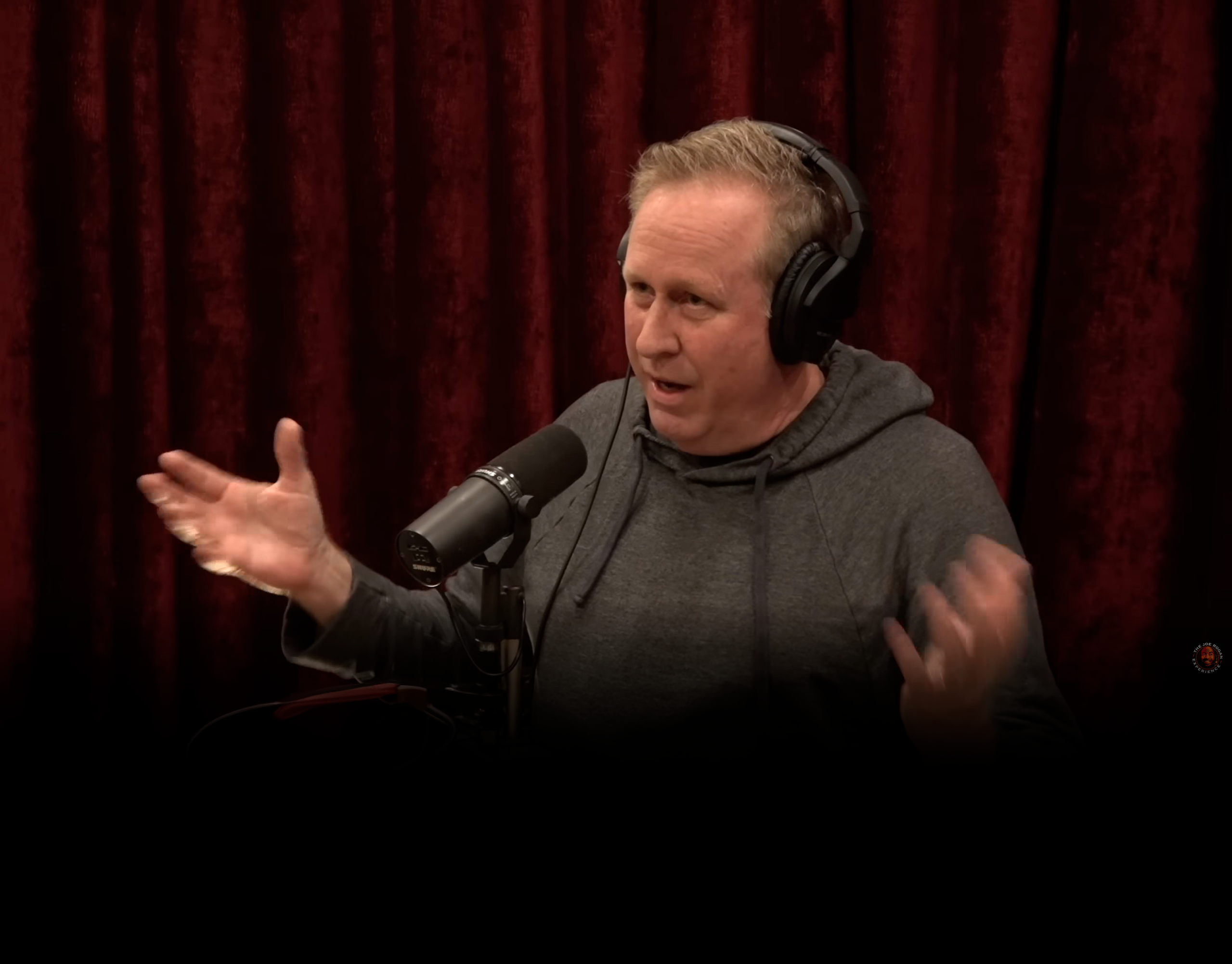
The Joe Rogan Experience (Episode #2452), featuring Roger Avary
Share this post:
Roger Avary Pivots to AI After Hollywood Rejection
Oscar winning screenwriter Roger Avary, who shared the Best Original Screenplay Academy Award for Pulp Fiction in 1995, has pivoted to AI driven filmmaking after years of failing to secure traditional studio financing. In a February 12 appearance on The Joe Rogan Experience, Avary revealed that his new production company General Cinema Dynamics has three films in active production, all funded through investors drawn to the AI label.
"Money Gets Thrown at It"
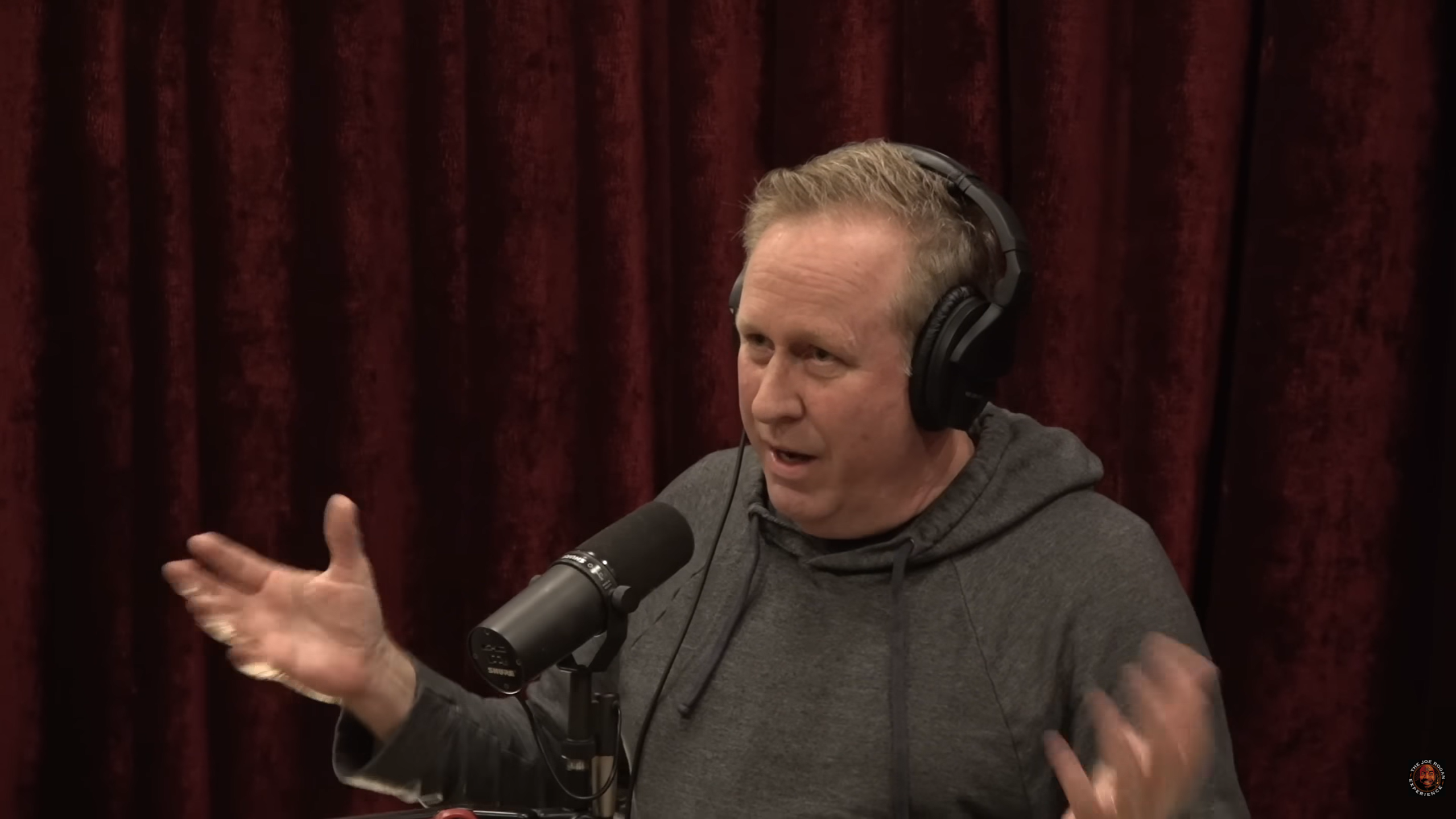
Avary described the financing shift in blunt terms during Episode #2452 of The Joe Rogan Experience. "I go out there and try to get stuff made, and it's almost impossible," he told Rogan. "And then I built a technology company over the last year, basically making AI movies, and all of a sudden, boom. Like that, money gets thrown at it."
The contrast is stark. Avary directed only four films since his 1993 debut Killing Zoe, despite his Oscar pedigree and decades of industry relationships. Traditional development deals, studio pitches, and independent financing routes all dried up over the years. Positioning a project as an AI technology venture, he explained, draws Silicon Valley style investment that bypasses the standard studio system entirely.
General Cinema Dynamics and Its Three Film Slate
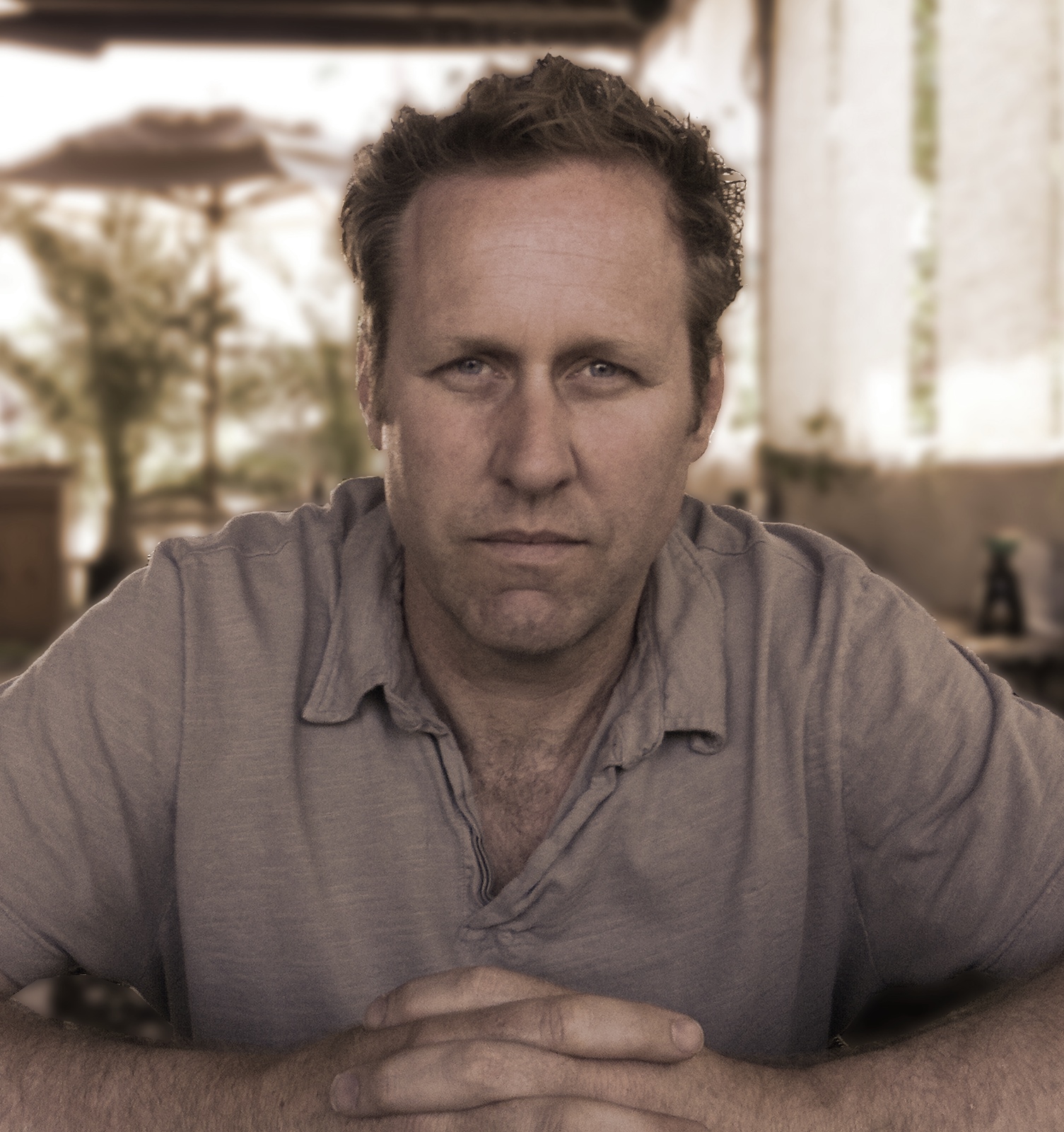
General Cinema Dynamics is Avary's technology focused production banner, built specifically to attract capital from investors interested in AI. The company has partnered with Massive AI Studios to build generative AI pipelines for its productions.
The current slate includes three projects at various stages:
- A family oriented Christmas film targeting a theatrical holiday release this year
- A faith based Christian film slated for an Easter 2027 release window
- A large scale romantic war epic with no announced release date
Each project leverages generative AI tools for production workflows, though Avary has not detailed the specific technologies or the extent of AI involvement in the creative process. The genre choices are deliberate. Faith based and holiday films have historically delivered strong returns on modest budgets, making them attractive proof of concept projects for a new production model.
The Broader Industry Pattern
Avary is far from the only established filmmaker embracing AI tools. Director George Miller has spoken about AI's potential in filmmaking, and Darren Aronofsky recently announced an AI assisted project. Timur Bekmambetov has been producing AI driven content for months. Oscar winning cinematographer Roger Deakins, Michael Mann, and Werner Herzog have all expressed openness to the technology.
The financing angle Avary describes aligns with a wider trend. Investors who would never fund a traditional independent film are writing checks for productions labeled as AI ventures. The logic is straightforward. AI reduces production costs, shortens timelines, and positions projects within the technology sector rather than the entertainment sector, where returns are notoriously unpredictable.
A Week of AI Filmmaking Headlines
Avary's announcement landed during a particularly active week for AI and the film industry. On February 16, Disney and Paramount issued cease and desist letters to ByteDance over its Seedance 2.0 tool, which had been generating unauthorized reproductions of copyrighted characters including Spider-Man and Star Trek properties. ByteDance pledged to implement restrictions in response.
Separately, John Gore Studios announced its acquisition of Deep Fusion Films on February 11, a company specializing in ethically governed AI production pipelines. The deal signals growing institutional interest in AI filmmaking that operates within legal and licensing frameworks, rather than the unlicensed approaches that prompted the Disney and Paramount complaints.
At the India AI Impact Summit, actor Rana Daggubati claimed that AI is reducing VFX timelines from five days to two hours. He emphasized the shift in power toward independent creators who own their intellectual property, a theme that echoes Avary's own argument about bypassing traditional gatekeepers.
What This Means for Independent Filmmakers
Avary's strategy reveals a practical playbook. An Oscar winning screenwriter who could not get a film financed through conventional channels found immediate funding by reframing the same creative work as a technology venture. The films themselves, a Christmas movie, a faith based drama, a war epic, are traditional genres. The AI component is the packaging that makes them investable.
For independent filmmakers struggling to secure financing, the lesson is clear. The current investment climate rewards projects that incorporate AI tools and position themselves at the intersection of technology and entertainment. Tools available through platforms like AI FILMS Studio make this accessible to creators at every budget level.
Whether Avary's films succeed at the box office will determine if this financing model sustains itself. For now, the mere mention of AI is enough to open doors that decades of industry experience could not.
The conversation about what AI means for Hollywood's creative future extends well beyond financing. Christopher McQuarrie's 2026 Saturn Awards Visionary Award speech makes the complementary case: the tools are not the crisis. The industry's willingness to put the audience first is.
Sources
The Joe Rogan Experience: Episode #2452, featuring Roger Avary, released February 11, 2026 Apple Podcasts
The Guardian: "TikTok Owner ByteDance Pledges to Curb Seedance 2.0 After Disney, Paramount Complaints" theguardian.com
John Gore Studios: "John Gore Studios Acquires Majority Stake in Deep Fusion Films" johngorestudios.com
Continue Reading
.jpg?w=3840)


Video & LipSync
- Video Generator
- Text to Video
- Image to Video
- Start-End Frame to Video
- Draw to Video
- Motion Control
- Video Enhancer
- Video Upscaler
- Video Extend
- Video to Video LipSync
- Audio to Video LipSync
- Image to Video LipSync
- Video FaceSwap
- Seedance 2.5
- WAN 3.0
- Seedance 2
- FLUX 3
- Minimax H3
- Vidu Q3 Pro
- Grok Imagine Video 1.5
- Gemini Omni
- Google Veo 3.1
- Kling 3.0 Pro
- Luma Ray 3.2
- LTX 2.3
- Happy Horse 1.1
- Kling 3.0 Motion
- ByteDance Upscaler
- InfiniteTalk
- InsightFace
Image & Edit
- AI Character
- AI Actor
- Art Generator
- Text to Image
- Image to Image
- LoRA Image to Image
- Draw to Edit
- Image LoRA Training
- Remove Background
- Image Enhancer
- MidJourney 8.0
- Krea 2
- OpenAI GPT Image 2.0
- Nano Banana Pro Ultra
- Nano Banana 2 Lite
- Nano Banana Pro
- Minimax Image
- Clarity Pro
- Z-Image Turbo LoRA
- Krea 2 Turbo LoRA
- Z-Image LoRA Trainer
- Qwen Image LoRA Trainer
- Background Erase Network 2 (BEN2)