
Share this post:
Eisner: Theaters Have 20 Years, AI Will Never Win an Oscar
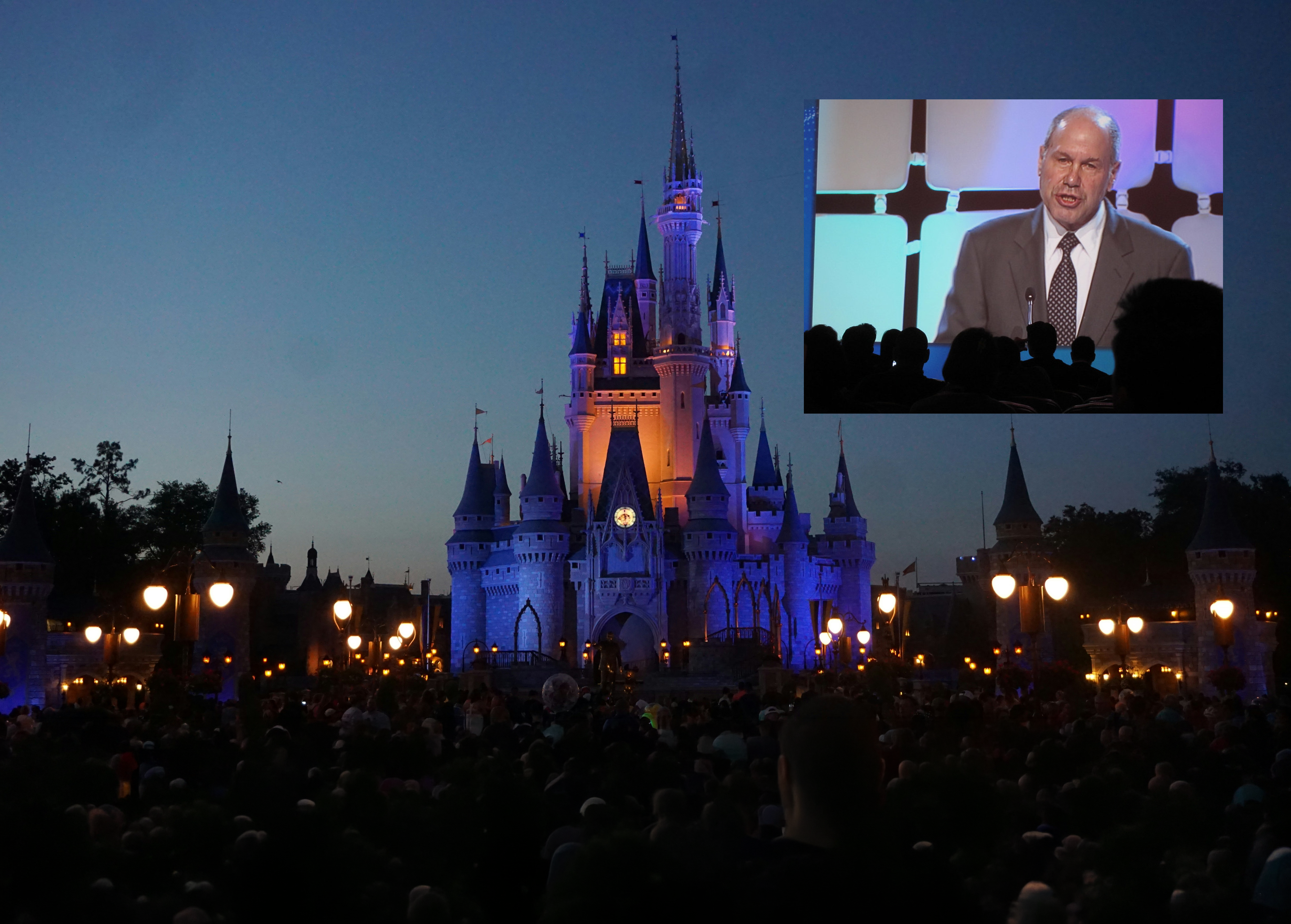
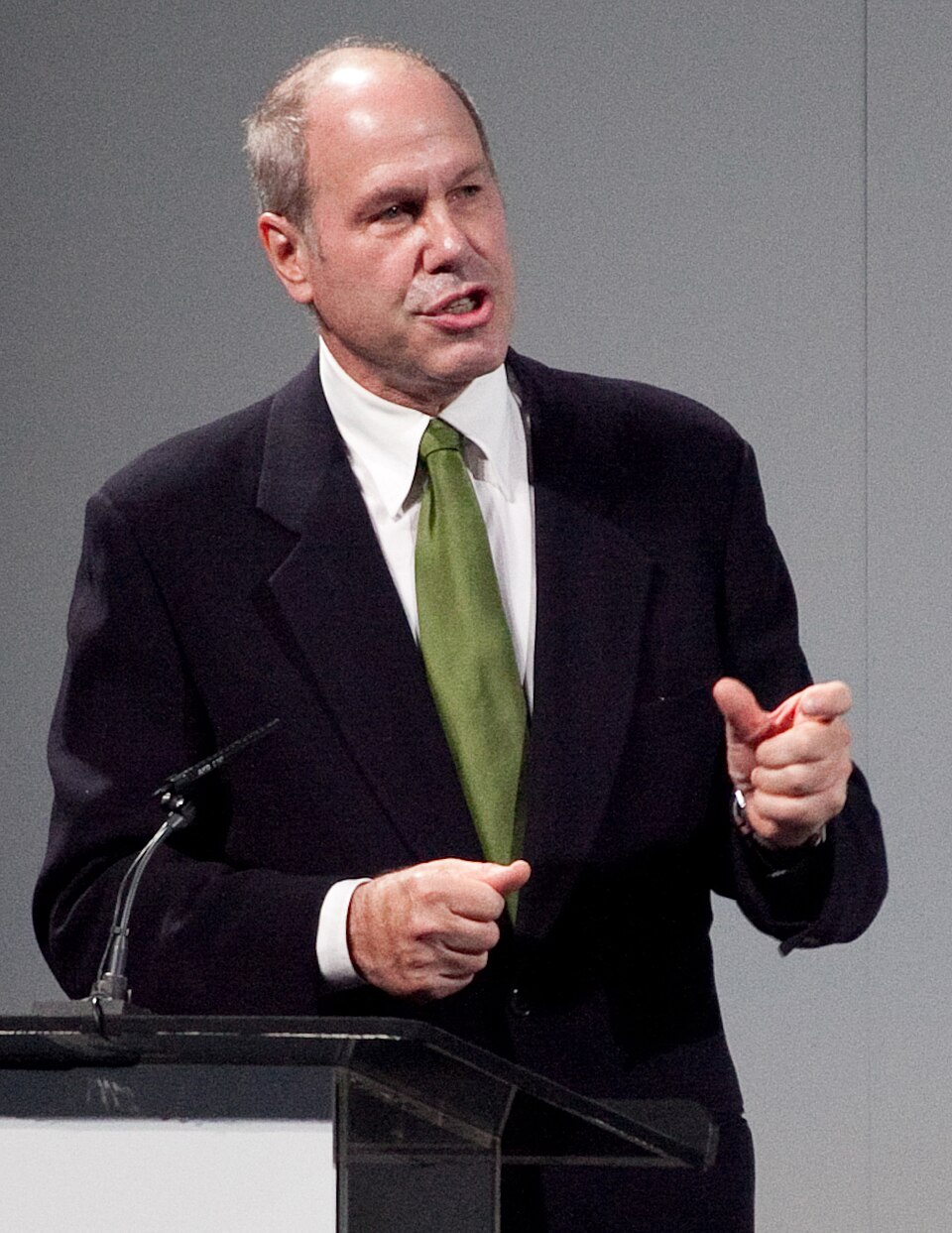
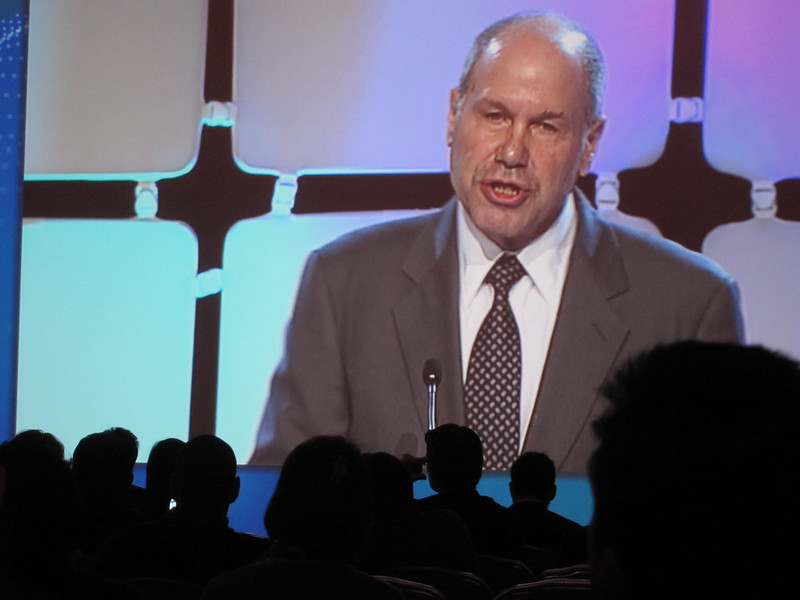
Former Disney CEO Michael Eisner returned to the Burbank lot for the first time since 2005 to sit down with journalist Graham Bensinger for In Depth with Graham Bensinger, the full episode premiering on February 15, 2026. The conversation covered theatrical distribution, the creative limits of artificial intelligence, and Eisner's concerns about the direction of Disney's theme parks. His conclusions were characteristically direct.
The 20-Year Clock on Movie Theaters
Eisner's forecast for theatrical exhibition is straightforward: multiplexes as they exist today have roughly 20 years before they disappear. The core driver is convenience. Home viewing has improved to a point where leaving the house for most films no longer makes financial or experiential sense for the average audience.
His prediction describes a bifurcated theatrical market. On one end, massive technical spectacles will continue to draw audiences seeking a shared, large scale sensory experience. On the other, small independent films survive through curated art house runs aimed at niche audiences. The mid budget dramas and comedies that once defined Hollywood's commercial center move permanently to Netflix, Amazon, and Apple.
The theatrical window no longer serves that middle category of film. Eisner sees no pricing incentive or audience loyalty program capable of reversing the shift.
Where AI Stops
Eisner is pragmatic about what artificial intelligence can accomplish. He acknowledges its measurable utility in healthcare diagnostics and its technical role in animation pipelines. specifically the transition from 2D to 3D production workflows. These are domains where pattern recognition and computational speed deliver clear, verifiable gains.
But he draws a firm line at creative origination. AI will never write an Academy Award winning screenplay. The reasoning is structural, not sentimental. AI generates output by recombining and predicting from existing data. It cannot produce something "totally original," which Eisner identifies as the essential quality of genuinely great creative work.
The human brain operates differently. It draws on lived experience, emotional memory, subconscious association, and cultural context in ways that cannot be reduced to a training dataset. The best screenplays are not synthesized from what came before. They come from a place current machine learning models cannot access.
For filmmakers working with AI tools at AI FILMS Studio, the distinction is worth holding. The tools accelerate production, reduce costs, and expand what small teams can execute visually. The creative premise still has to come from a person.
Disney Parks and the Loss of the Guest Experience
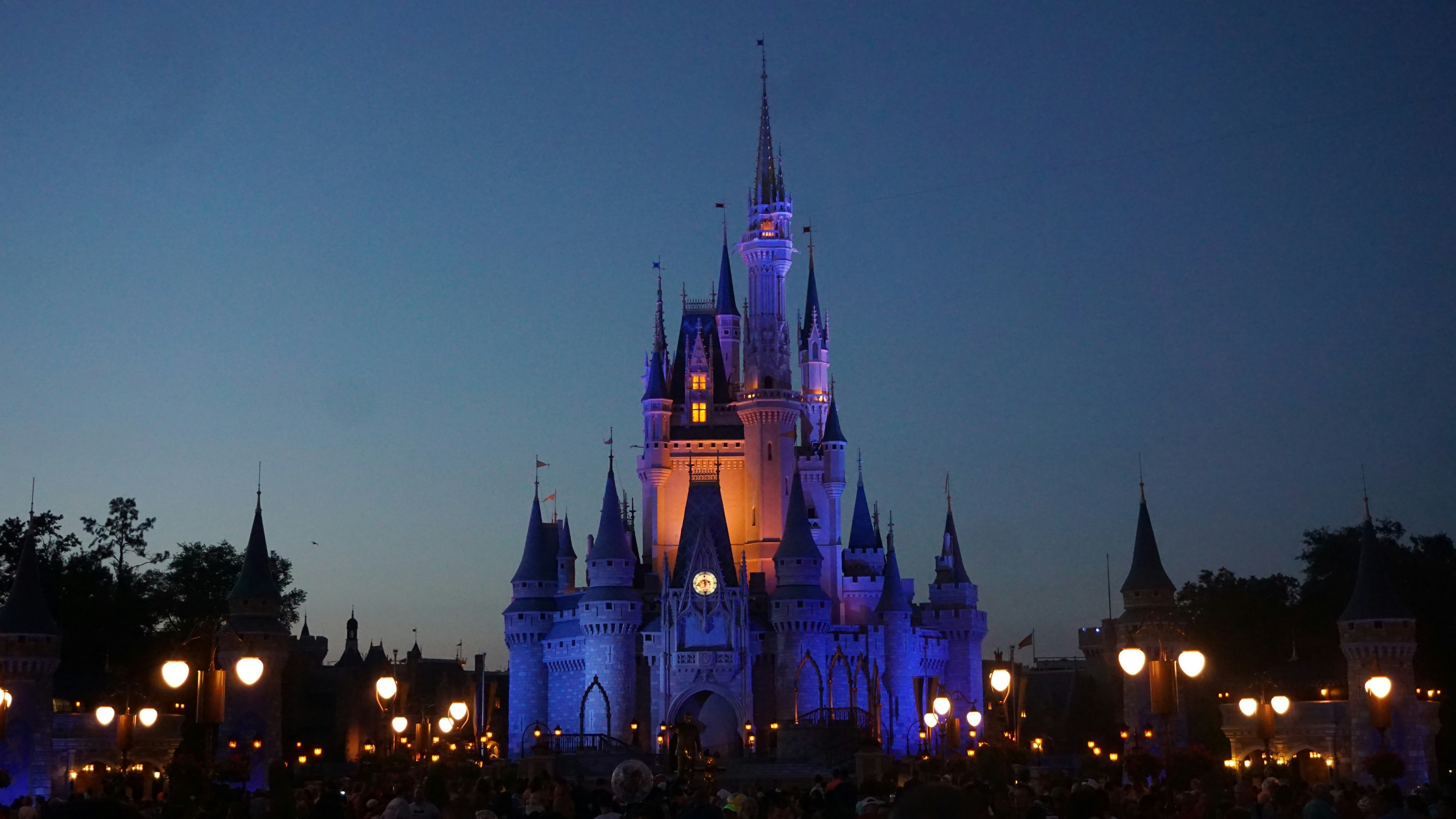
Eisner extended his critique to Disney's theme parks. Ticket costs have climbed past the point where ordinary families feel like valued guests. The hospitality ethos that defined the parks during his tenure, where every visitor was treated as a VIP, has given way to a model that maximizes revenue per visit at the expense of the emotional experience.
He was candid about the leadership transition following his exit. The Chapek era, in his characterization, was a "marriage made in hell," a mismatch of temperament and institutional vision that damaged the company's culture. His assessment of the current transition to Josh D'Amaro was more measured, stopping short of a direct endorsement while signaling cautious optimism about the direction of the organization.
The Originality Mandate
Eisner's closing argument ties his two main threads together. Success in entertainment, in 2026 and beyond, requires doing what has not been done before. That mandate applies equally to studios, streamers, and independent filmmakers attempting to use AI as a creative partner rather than a production tool.
The films that will matter in a streaming dominant, largely post-theatrical landscape will not be the ones that are most efficiently produced. They will be the ones that surprise. That remains, in Eisner's reading, a uniquely human problem.
Explore the role AI tools play in production at AI FILMS Studio, and see how other major voices in the industry are framing the same questions in Rana Daggubati: AI Is Rewriting the Grammar of Cinema. For a filmmaker's take on what's actually missing from Hollywood's AI conversation, see Christopher McQuarrie's Saturn Awards Visionary Award speech, where he argues the real crisis is a failure to prioritize audiences over technology and IP.
Continue Reading


Video & LipSync
- Video Generator
- Text to Video
- Image to Video
- Start-End Frame to Video
- Draw to Video
- Motion Control
- Video Enhancer
- Video Upscaler
- Video Extend
- Video to Video LipSync
- Audio to Video LipSync
- Image to Video LipSync
- Video FaceSwap
- Seedance 2.5
- WAN 3.0
- Seedance 2
- FLUX 3
- Minimax H3
- Vidu Q3 Pro
- Grok Imagine Video 1.5
- Gemini Omni
- Google Veo 3.1
- Kling 3.0 Pro
- Luma Ray 3.2
- LTX 2.3
- Happy Horse 1.1
- Kling 3.0 Motion
- ByteDance Upscaler
- InfiniteTalk
- InsightFace
Image & Edit
- AI Character
- AI Actor
- Art Generator
- Text to Image
- Image to Image
- LoRA Image to Image
- Draw to Edit
- Image LoRA Training
- Remove Background
- Image Enhancer
- MidJourney 8.0
- Krea 2
- OpenAI GPT Image 2.0
- Nano Banana Pro Ultra
- Nano Banana 2 Lite
- Nano Banana Pro
- Minimax Image
- Clarity Pro
- Z-Image Turbo LoRA
- Krea 2 Turbo LoRA
- Z-Image LoRA Trainer
- Qwen Image LoRA Trainer
- Background Erase Network 2 (BEN2)