
SAG-AFTRA Urges Members to Opt Out of Meta's Muse Image Tool
.jpg?w=3840&q=90)
Share this post:
SAG-AFTRA Urges Members to Opt Out of Meta's Muse Image Tool
On July 10, 2026, SAG-AFTRA issued a formal member advisory titled "Take Action to Protect Your Likeness," urging all guild members to disable Meta's Muse Image tool through their Instagram settings. Meta launched Muse Image on July 7, an AI image generator embedded in Instagram that allows any user to generate likenesses drawn from public account photos, with no notification sent to the person depicted. Creative Artists Agency had already issued its own statement two days earlier, demanding Meta switch to an opt in consent requirement before any person's photos can be used.
.jpg)
What Muse Image Does
Meta described Muse Image in its July 7 announcement as a creative tool that lets users "bring their ideas to life" using photos from Instagram. The company did not highlight the opt out requirement in its launch communications, and trade press coverage from TechCrunch noted that Meta made no proactive effort to inform public account holders that their photos would be used as source material.
Muse Image is an AI image generator Meta embedded directly into Instagram on July 7, 2026. The tool uses photos from public accounts as visual source material for new image generations. Any user can tag a public Instagram handle in a Muse Image prompt, and the tool will draw on that account's visible photo library to produce AI generated versions of the person depicted.
Meta configured the tool to be active by default. A person with a public Instagram account became a usable source for Muse Image generations at the moment the product launched, with no advance notice. The platform sends no notification when someone tags an account in a prompt or when a generation using that account's photos is produced.
The generated images are not limited to portrait style likenesses. Muse Image can produce full scenes, product placements, and contextual images that place the tagged person in any setting a prompt describes. For a performer whose professional identity is tied to specific brand relationships and carefully managed public associations, the range of potentially damaging generations extends well beyond simple photographs.
Muse Image is also accessible to users outside the entertainment industry. Any Instagram user with a public account, not just celebrities and professional performers, can be tagged in a generation by anyone with a Meta account. The tool launched with no publicly stated moderation policy governing what types of generations are permitted when a real person's account is tagged.
The opt out applies only to Muse Image and does not extend to other Meta AI products or to image data already incorporated into prior model training. For professionals who maintain a public presence on Instagram, including working actors, musicians, directors, and influencers, the default state meant their likeness was immediately available for AI image generation by any third party starting July 7.
How the Tagging Mechanism Works
The generation process works through Instagram's @mention syntax. A user types a prompt in Muse Image and tags a public account using the standard @handle format. Muse Image interprets the tagged account's publicly visible photos as the visual reference set for the generation. The output is a new AI produced image that draws on the tagged person's appearance as represented across their public posts.
The mechanism creates specific risks for performers. A generated image could place a performer in contexts they would never agree to appear in, associate them with products or positions they have not endorsed, or produce content that conflicts with existing brand exclusivity agreements or guild contracts. Because the person depicted receives no notification, there is no way to identify a specific unauthorized generation in real time.
Meta launched Muse Image during the week of July 4, when much of the entertainment industry's attention was on the Independence Day holiday. The Friday rollout gave Meta roughly 24 to 48 hours before major guild and agency responses reached their members. The launch also came while Congress was in summer recess, following the NO FAKES Act's June committee vote.
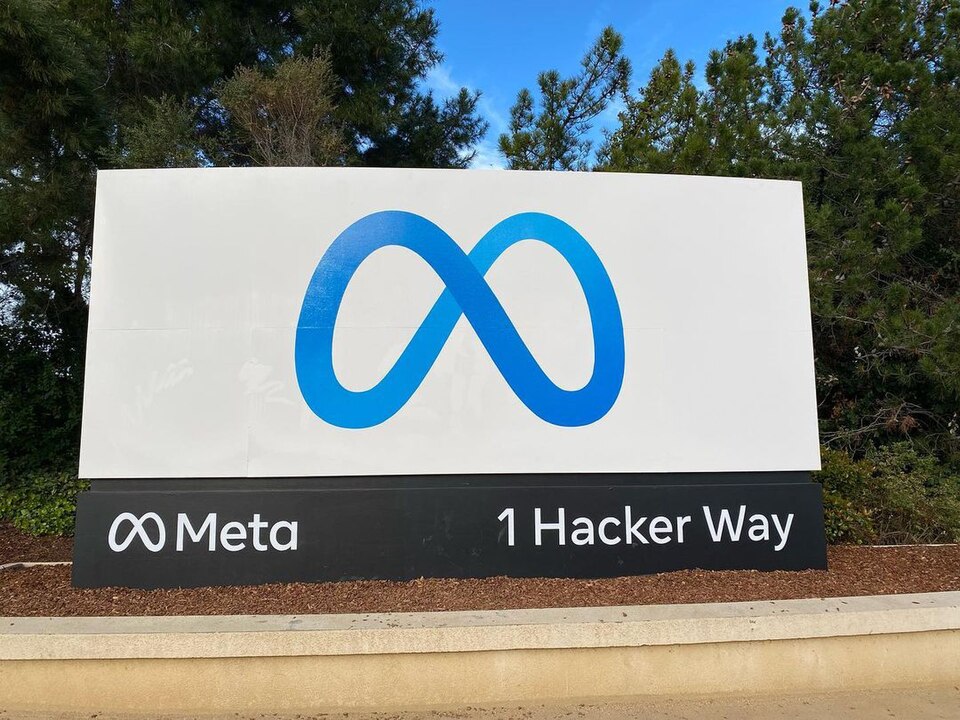
Photo by Nokia621, CC BY-SA 4.0, via Wikimedia Commons
CAA Calls for an Opt In Standard
CAA was the first major industry organization to respond publicly, issuing a statement on July 8, the day after launch. The agency's position was categorical. An opt out default is structurally inadequate regardless of how the opt out process works.
"No one's name, image, likeness, voice, or creative work should be used by any third party, including AI models, without clear, documented consent," CAA said in its July 8 statement. The agency added that creators must "have the ability to set terms, monitor usage, and prevent unauthorized endorsements." CAA demanded that Meta replace the opt out model with an opt in requirement, meaning no photos could be used in Muse Image until the account holder explicitly authorized it.
The Wrap reported that CAA's statement went beyond representing its own clients. The agency framed the demand as an industry standard issue affecting all public figures on Instagram. The agency's statement coincided with reporting from Deadline and Variety, each of which noted that Meta had made no public announcement drawing attention to the opt out setting at the time of launch.
SAG-AFTRA Issues Member Advisory
SAG-AFTRA's July 10 advisory walked members through Instagram's settings navigation step by step, specifying the exact path to the Muse Image opt out. The advisory described Muse Image as a direct threat to members' professional likeness rights and noted that the default active state put members at risk before most were aware the product existed.
The union's statement connected Muse Image to the broader set of likeness rights protections SAG-AFTRA has been building through guild contracts and legislative advocacy. The advisory noted that the tool can generate content placing a member in scenarios they would never consent to, including simulated endorsements and depictions that could create conflicts with existing contractual commitments. Opting out is the only available remedy under the current product design.
The SAG-AFTRA advisory was addressed specifically to guild members, but the opt out setting and the risks described apply equally to any public Instagram account holder. Influencers, independent filmmakers, and content creators who are not SAG-AFTRA members have the same exposure under Muse Image's default settings. The advisory is specific to guild members, but the opt out process it describes is the same for all Instagram users: settings, Meta AI, disable content use in AI generation.
This "Take Action" advisory structure mirrors how SAG-AFTRA has responded to other third party AI tools affecting member likeness rights since 2024. The guild has used the same format when urging members to review AI provisions in talent agency agreements and third party licensing platforms. Each advisory has been framed as a protective measure pending legislative action that would create enforceable consent rights at the federal level.
A Timeline of the Response
The Muse Image situation moved quickly once the entertainment industry returned to full attention after the holiday. The sequence below shows how the response developed from launch to guild advisory in 72 hours.
- July 7: Meta launches Muse Image inside Instagram. Opt out is active by default. No advance industry notification.
- July 8: CAA issues a public statement demanding an opt in consent standard. Deadline and Variety publish coverage. TechCrunch reports on the launch mechanism.
- July 9: TechCrunch publishes an opt out guide for Instagram users. The story reaches broader audiences beyond industry publications.
- July 10: SAG-AFTRA issues "Take Action to Protect Your Likeness" advisory with step-by-step opt out instructions for members.
The three day sequence from launch to guild advisory is notably compressed compared to previous cases. Guild advisories for AI tools have historically followed public controversy by a week or more. The speed of the SAG-AFTRA response reflects how closely the union has been monitoring AI product launches since the 2023 strike and the 2026 studios deal.
Industry observers also noted the holiday launch window. A product that goes live on a Friday before the July 4 holiday weekend receives significantly less immediate trade press scrutiny than one launched on a Tuesday in a normal news cycle. By the time CAA and SAG-AFTRA responded, Muse Image had been active for one to three days depending on time zone, during which period any user could have generated likeness based images of any public account holder.
The Legislative Backdrop
The Muse Image launch came 22 days after the NO FAKES Act cleared the Senate Judiciary Committee by unanimous voice vote on June 18, 2026. The bill would create a federal individual right to authorize or block AI generated replicas of a person's voice and likeness. Congress was in summer recess at the time, with no floor vote scheduled before September.
The NO FAKES Act advanced with bipartisan support and would, if enacted, give any Instagram user a federal cause of action against unauthorized use of their likeness in an AI generated image. Without that law in force, affected users have no specific federal remedy and must rely on state-level protections, which vary significantly across jurisdictions.
The SAG-AFTRA studios deal finalized in May 2026 included consent requirements for AI use of member performances in studio productions. Muse Image operates outside that contract framework entirely. It is a consumer social media product, not a studio production tool, which means the contractual protections SAG-AFTRA negotiated with the major studios provide no mechanism for addressing this specific situation.
California's existing digital replica laws offer some protection for residents, but enforcement against a consumer AI feature embedded in a major platform is a slow and uncertain process. The legal burden falls on the affected individual to identify a specific generation, establish that it used their likeness without consent, and pursue action in a jurisdiction that may not have clear precedent for a tool operating at Instagram's scale. The practical effect is that California law provides a theoretical remedy for cases that can be individually identified and proven, while providing no protection against the broader default behavior of the tool.
What This Means for the Consent Debate
Cate Blanchett's RSL Media initiative, launched in May 2026 with backing from George Clooney, Meryl Streep, and Tom Hanks, has been building an open consent standard designed to function independently of any individual platform's settings. The RSL Media framework addresses exactly the structural problem Muse Image illustrates. Consent cannot be protected through a buried opt out toggle that requires users to first discover the feature exists, then navigate settings to find it.
The CAA statement and SAG-AFTRA advisory together represent an industry demand that has been consistent across 2025 and 2026. Consent must be a product requirement, not a user burden. Every major guild and agency response to a third party AI tool during this period has made the same argument. The pattern is launch first with opt out defaults, require individual users to find and complete the opt out process, and face pushback from the organizations representing the people most affected.
Muse Image is the largest test of that pattern yet given Instagram's scale. A feature embedded in a platform used by approximately two billion monthly active users reaches a vastly different population than AI tools deployed specifically in production software. For SAG-AFTRA members with public accounts, the practical consequence is that a professional likeness built over years of career development became usable for AI generation with no notification, no compensation, and no ability to determine retroactively how it has been used.
The opt out also does not address what already happened during the three days Muse Image was active before the advisories reached members. Any generations produced between July 7 and the point a member completed the opt out exist independently of whether the account was subsequently disabled from the feature. Retroactive removal of generated content is not a function the current opt out provides. CAA's demand for an opt in standard is in part a response to exactly this gap. By the time most affected users learn about a feature, uses have already occurred that the opt out cannot undo.
What the entertainment industry's guild advisories reveal is an enforcement gap that the NO FAKES Act is designed to close. Current law gives individuals limited federal remedies when their likeness is used in consumer AI tools without consent. The bill awaiting a Senate floor vote would change that by creating a specific federal right of action. Until it passes, guild advisories and agency statements are the primary mechanism the industry has for responding to tools like Muse Image.
SAG-AFTRA members who have existing brand exclusivity deals are in a particularly precarious position under Muse Image's default settings. A performer signed to an exclusive endorsement agreement for a product category cannot control whether a third party uses Muse Image to generate an image depicting them alongside a competing brand. The performer has no notification, no pre-generation review, and no removal tool. Whether such a generation would constitute a contractual breach by the performer, by Meta, or neither is a question that courts have not yet addressed for AI image tools operating at platform scale.
The SAG-AFTRA advisory did not address this specific scenario by name, but it sits within the broader category of harms the union described when it stated that Muse Image can generate content "placing a member in scenarios they would never consent to." Brand conflict, simulated endorsement, and reputational damage from out-of-context depictions are all scenarios the advisory implicitly covers, even though the consent mechanism provided, an Instagram settings toggle, cannot prevent generations that have already been completed.
How to Protect Your Likeness on Instagram
The opt out process described in SAG-AFTRA's advisory requires navigating to Instagram settings, selecting "Meta AI," and disabling the option that allows profile content to be used in AI generation. The setting covers Muse Image specifically. Members with public accounts are the most directly affected group since the tool draws on publicly visible photo libraries by default.
SAG-AFTRA's advisory also recommended reviewing overall account privacy settings and considering switching to a private account for members who do not need a public professional presence on Instagram. That recommendation reflects the advisory's underlying message. The opt out addresses the current product but offers no guarantee against similar features launching under different settings paths in the future.
Instagram accounts set to private are not accessible to Muse Image, since the tool only draws on publicly visible photo libraries. Members who had a private account before July 7 were not affected by the default rollout. Members who switched to a private account before July 7 are not affected. For members who need a public account for professional reasons and cannot switch to private, completing the opt out in settings is the only currently available action.
The SAG-AFTRA advisory noted that all members, not just public figures with large followings, are subject to the same default. A working actor with a professional headshot on their public Instagram account has the same exposure as a performer with millions of followers.
Meta has not announced any plans to change the opt out default or to add retroactive notification for past uses. The SAG-AFTRA and CAA statements were addressed to Meta but as of July 10 had not received a public response from the company.
If Meta were to respond to the CAA and SAG-AFTRA demands by switching Muse Image to an opt in model, users would need to actively enable the feature before their photos could be used. That structural change would reverse the current situation, placing the burden of participation on the user who wants to be included rather than on the user who wants to be excluded. It is the same consent architecture that guild representatives have described as the industry standard for AI use of performer likenesses in every major negotiation since 2023.
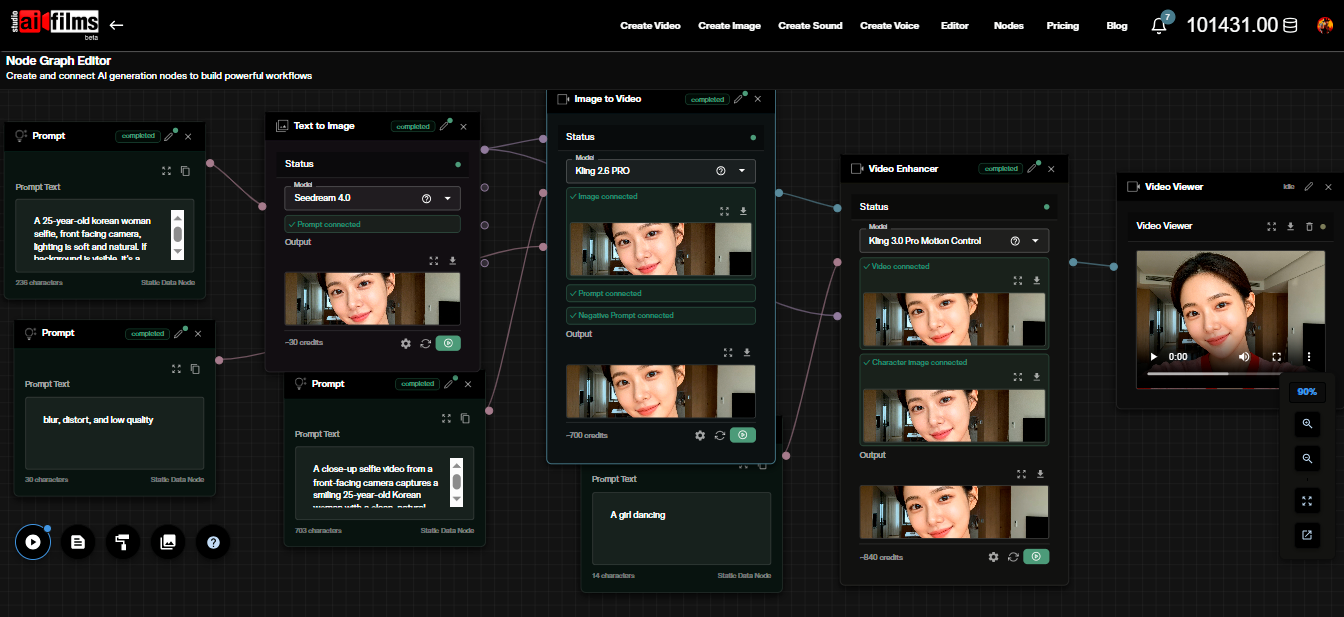
For filmmakers and visual content creators using AI image generation tools, AI FILMS Studio's image workspace processes text and image prompts without accessing external social media accounts or public photo libraries as source material. All image generation uses the prompts and reference images you provide directly, with no connection to social media profiles or third party data sources.
Sources
Variety | Deadline | The Hollywood Reporter | TechCrunch | The Wrap
Continue Reading
.jpg?w=3840)


Video & LipSync
- Video Generator
- Text to Video
- Image to Video
- Start-End Frame to Video
- Draw to Video
- Motion Control
- Video Enhancer
- Video Upscaler
- Video Extend
- Video to Video LipSync
- Audio to Video LipSync
- Image to Video LipSync
- Video FaceSwap
- Seedance 2.5
- WAN 3.0
- Seedance 2
- FLUX 3
- Minimax H3
- Vidu Q3 Pro
- Grok Imagine Video 1.5
- Gemini Omni
- Google Veo 3.1
- Kling 3.0 Pro
- Luma Ray 3.2
- LTX 2.3
- Happy Horse 1.1
- Kling 3.0 Motion
- ByteDance Upscaler
- InfiniteTalk
- InsightFace
Image & Edit
- AI Character
- AI Actor
- Art Generator
- Text to Image
- Image to Image
- LoRA Image to Image
- Draw to Edit
- Image LoRA Training
- Remove Background
- Image Enhancer
- MidJourney 8.0
- Krea 2
- OpenAI GPT Image 2.0
- Nano Banana Pro Ultra
- Nano Banana 2 Lite
- Nano Banana Pro
- Minimax Image
- Clarity Pro
- Z-Image Turbo LoRA
- Krea 2 Turbo LoRA
- Z-Image LoRA Trainer
- Qwen Image LoRA Trainer
- Background Erase Network 2 (BEN2)