
AMC Theatres Refuses to Screen AI Short Film 'Thanksgiving Day'
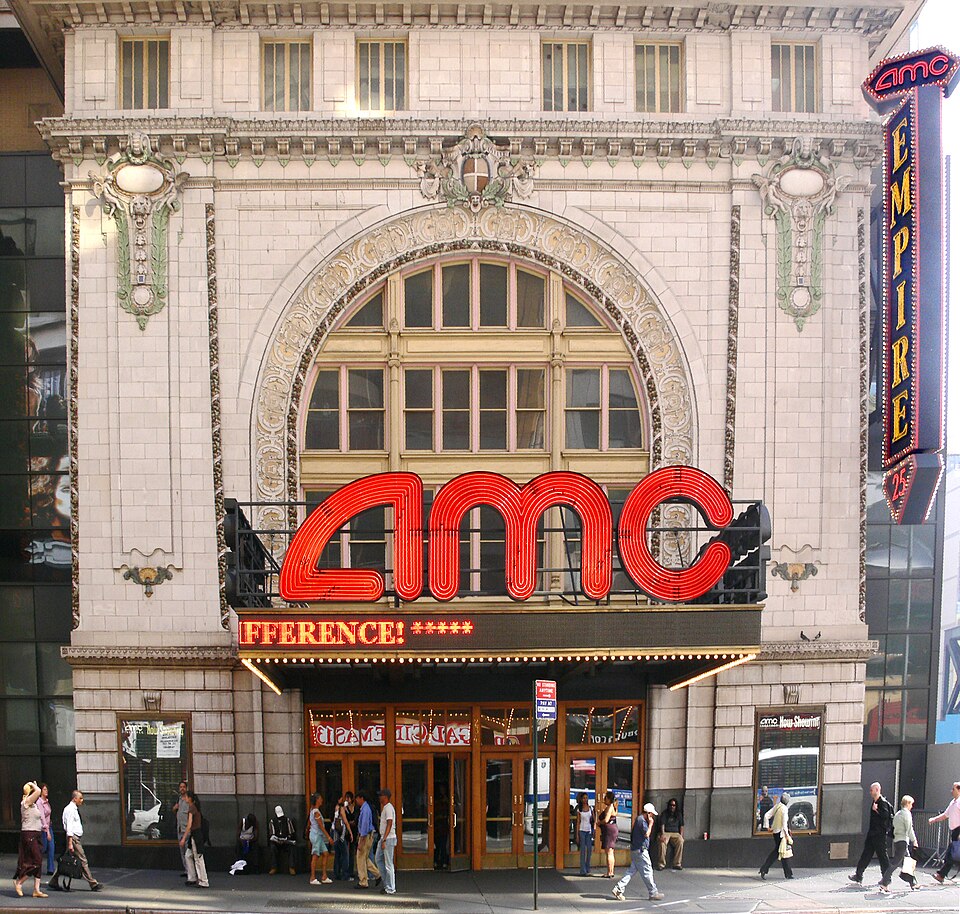
Andreas Praefcke, CC BY 3.0, via Wikimedia Commons
Share this post:
AMC Theatres Refuses to Screen AI Short Film "Thanksgiving Day"
AMC Theatres told Screenvision Media in February 2026 that its locations would not participate in screening "Thanksgiving Day," the winning short from the inaugural Frame Forward Animated AI Film Festival. TCL Chinese Theatre in Hollywood also withdrew its locations, effectively blocking the film from the mainstream theatrical venues the festival prize had promised.
The pullbacks came after news of the film's planned national theatrical release triggered a swift wave of online criticism directed at AI generated animation appearing in major cinema chains alongside studio releases.
The Film and the Prize
"Thanksgiving Day" is an animated short by Kazakhstani filmmaker Igor Alferov. The film follows a bear and his platypus assistant aboard a spacecraft resembling a dumpster, traveling through the galaxy and encountering corrupt space police and an unusual food delivery service. Alferov created it using Google Gemini 3.1 and additional AI tools, with Topaz Video AI for post processing.
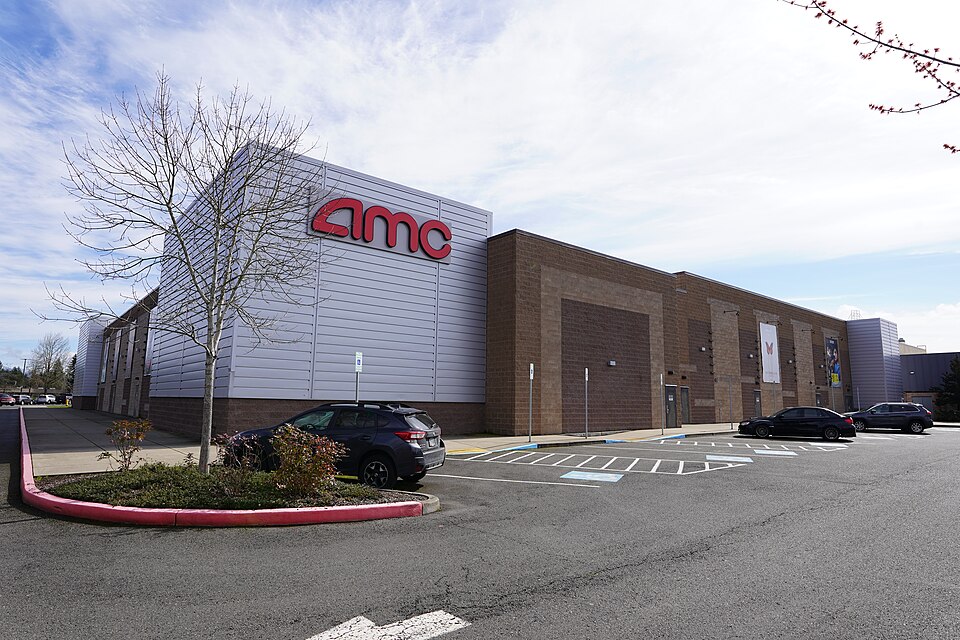
Steven Baltakatei Sandoval, CC BY-SA 4.0, via Wikimedia Commons
The [Frame Forward Animated AI Film Festival](/blog/frame-forward-ai-festival-finalists), organized by Modern Uprising Studios and Screenvision Media, ran its inaugural edition in late 2025 and early 2026. "Thanksgiving Day" beat two other finalists through public vote to claim the grand prize: a national theatrical release through Screenvision's advertising network in preshow slots across U.S. theater chains.
Alferov's background is relevant to how the backlash played out. He is a filmmaker working outside the American industry, producing animation with AI tools on a budget that would not support traditional animated production. The prize was designed to give exactly that kind of filmmaker a pathway to major theatrical venues. The AMC withdrawal eliminated that pathway.
The judging panel included Google's Neil Parris and industry leaders from Screenvision, Modern Uprising Studios, and TIME Studios. The public vote gave the prize democratic legitimacy beyond the panel: audiences, not industry insiders alone, selected "Thanksgiving Day" from the finalist pool.
AMC's Statement
AMC issued a formal statement drawing a line between the chain and the festival arrangement: "This content is an initiative from Screenvision Media, which manages preshow advertising for several movie theatre chains in the United States and runs in fewer than 30 percent of AMC's U.S. locations. AMC was not involved in the creation of the content or the initiative and has informed Screenvision that AMC locations will not participate".
The statement clarified that Screenvision operates only in a minority of AMC locations and that AMC had no role in the festival or prize structure. TCL Chinese Theatre issued no public statement but also confirmed its withdrawal, according to Variety.
The Backlash
Online criticism spread rapidly after news of the theatrical prize circulated in February. Critics described the film with phrases including "hot garbage" and objected broadly to an AI generated short appearing in mainstream cinema settings. Much of the criticism centered not on the film's artistic qualities but on what the theatrical screening would signal: a major exhibitor network treating AI generated animation as equivalent to conventionally produced work.
The response did not challenge the legitimacy of the festival. "Thanksgiving Day" won a real competition with real judges from Google, Modern Uprising Studios, and the distribution industry. The objection was to where the prize led.
The speed of the backlash matters for understanding what actually happened. The film had not screened in theaters yet. Audiences were objecting to AI animation appearing in a preshow slot they had not watched. The reaction was preemptive: a response to the idea of AI animation in theaters, not to any specific viewing experience.
Alexander Khanin, CC0, via Wikimedia Commons
The Festival's Position
Festival organizers defended the film directly. Joel Roodman, president of Modern Uprising Studios, called "Thanksgiving Day" a "masterclass in original storytelling". Neil Parris of Google, who served on the judging panel, described it as "imaginative and funny" and cited the film as evidence of "AI's ability to unlock imagination for animated storytelling".
Modern Uprising Studios acknowledged the theater chain withdrawals and indicated it would develop alternative venues for AI generated content going forward.
A New Line in Exhibition
The Frame Forward result exposed a gap between what AI film festivals can promise as prizes and what exhibition chains will honor under public pressure. A national theatrical release through Screenvision had real value as a prize. But that prize depended on exhibitor compliance, and exhibitors operate independently of the festivals that grant awards.
AMC's statement, which characterized the Screenvision arrangement as a minority program touching fewer than 30 percent of its locations, also revealed something about how large chains view their relationship to preshow content vendors. AMC is not a passive host for whatever Screenvision places in its preshow slots. It exercises independent editorial judgment about what appears in those slots. That judgment, exercised under public pressure, became the effective gate for AI film exhibition at mainstream venues.
The backlash against "Thanksgiving Day" came at the same moment Hollywood's guilds were building legal protections for human labor: the SAG-AFTRA four year deal on AI protections reached May 2, and the DGA enters its own contract talks on May 11. Guild negotiations define what studios can do with AI. Exhibition pullbacks, by contrast, reflect what audiences and chains will tolerate at the point of the screen.
TikTok's AI moderation system added a third form of platform gatekeeping in May 2026, wrongly disqualifying original independent films from monetization programs through automated misclassification rather than human review.
The AMC situation and the TikTok moderation case point to the same structural problem: AI content faces gatekeeping at every distribution layer, from theatrical chains through digital platforms, regardless of the content's quality or the legitimacy of the competition it won.
What Screenvision Media Is
Screenvision is a cinema advertising company that manages preshow content for approximately 14,000 theater screens across the US. It competes with National CineMedia for the preshow advertising market. The company's business model involves selling advertising time in preshow slots to brands, and it manages the content that runs in those slots across its network of affiliated chains.
AMC's statement that Screenvision operates in fewer than 30 percent of its locations reflects a longstanding contractual arrangement. The two organizations are partners in some locations and not others, depending on pre-existing agreements each AMC location has with its preferred advertising partner. Screenvision did not have universal AMC participation even before the "Thanksgiving Day" controversy.
The Pre-Show Slot and Its Commercial Value
Screenvision's preshow content runs for approximately 20 minutes before a film's scheduled start time. The slot includes advertising, entertainment content, and promotional material. For the Frame Forward prize, the "Thanksgiving Day" animation would have appeared in the entertainment segment of that preshow, reaching audiences who were in their seats before the feature began.
The preshow audience is captive in a specific sense: they are already in the theater and not engaged with another screen. Pre-show content reaches viewers who are paying attention to the screen in front of them. A short animation placed in that slot receives different attention than one distributed on social media. The Frame Forward prize was specifically designed to use that attention value as the reward for competition winners.
Alternative Exhibition Channels for AI Films
Modern Uprising Studios confirmed it would pursue alternative venues for AI generated content after the AMC and TCL withdrawals. The alternatives available to AI short films outside the mainstream exhibition network include streaming platforms, film festivals with dedicated AI tracks, and direct online distribution.
The Frame Forward Animated AI Film Festival ran its inaugural edition and produced a winner. AMC's refusal to honor Screenvision's commitment does not end Frame Forward as a competition. It changes what the competition's grand prize can credibly promise. A national theatrical release through mainstream chains is no longer a viable prize structure without prior commitments from the chains themselves, secured before the competition announces its terms.
The Larger Exhibition Landscape for AI Content
The AMC situation placed AI short film exhibition in the same public discussion as guild negotiations and digital platform moderation. In the same week the "Thanksgiving Day" controversy peaked in February 2026, the SAG-AFTRA four year deal on AI protections reached May 2, and the DGA enters its own contract talks on May 11. Three distinct gatekeeping mechanisms were simultaneously making decisions about where and how AI content could appear.
Guild negotiations define what studios can produce with AI. Exhibition pullbacks define what theater chains will show. Platform moderation, as illustrated by TikTok's misclassification of independent films, defines what algorithms will distribute. For AI filmmakers, the exhibition question is the least settled of the three. Guilds and platforms both have formal structures for addressing AI content. Exhibition chains are making decisions case by case, under public pressure, without a stated policy framework.
Igor Alferov's Filmmaking Background
Igor Alferov is a Kazakhstani filmmaker who produced "Thanksgiving Day" outside the American union and studio system. His use of Google Gemini 3.1, Topaz Video AI, and additional AI tools allowed him to complete an animated short that received international festival recognition on a budget that would not support traditional animation production.
The AMC controversy placed Alferov's film in a public discussion he had no hand in creating. His film won a real competition with real industry judges. The controversy was about where the prize led, not about the film's creative process or production quality.
What Screenvision Media Actually Does
Screenvision Media manages preshow advertising content for approximately 14,000 cinema screens across the United States. The company sells advertising time in preshow slots to brands and manages the entertainment content that accompanies those advertisements. Its business is placing content in front of captive cinema audiences before the feature film starts.
AMC's statement confirmed that Screenvision operates in fewer than 30 percent of its locations, reflecting pre-existing agreements that different AMC locations have with competing advertising vendors. The Frame Forward prize assumed national AMC participation that Screenvision could not actually deliver.
The Pre-Show Slot's Audience Value
Screenvision's preshow content reaches cinema audiences who are physically present, seated, and not engaged with another screen. The 20-minute preshow window before a feature starts is the most captive placement available in commercial exhibition. Audiences in their seats before a film starts typically have no alternative engagement option.
For "Thanksgiving Day," a placement in that slot would have meant every audience member who arrived before the feature's scheduled start time would see the film without making a separate choice to watch it. That differs fundamentally from online video discovery, where viewing requires active selection. The prize's value was specific to the captive audience the preshow slot provides.
What the Industry Learned From the Withdrawal
AMC's withdrawal established that theater chain participation in a festival prize for AI content cannot be assumed in advance. The Frame Forward prize structure relied on an implicit exhibitor agreement that was never formally secured. The lesson for future AI film competitions that want to offer theatrical exhibition as a prize is that the exhibition commitment must be contractually confirmed before the competition announces its terms.
Alternative venues for short film AI content include festival circuit screenings, online streaming distribution, and dedicated AI film events that control their own exhibition infrastructure. Modern Uprising Studios has indicated it will develop those alternatives rather than retry the mainstream chain relationship that failed.
The Broader Exhibition Gap
The Frame Forward case sits at the intersection of three distribution gatekeepers that made simultaneous decisions about AI content in early 2026. Theater chains made exhibition decisions under public pressure without formal policy frameworks. Streaming platforms applied algorithmic moderation that wrongly classified original films as AI generated. Guild negotiations at SAG-AFTRA and DGA defined what could be produced with AI labor.
Each gatekeeping mechanism operates independently with different decision criteria. Passing one gate does not guarantee passing the others. "Thanksgiving Day" had a legitimate festival win and a legitimate prize structure. It failed at the exhibition gate because that gate's decision criteria were not part of the prize negotiation.
The landscape shifted substantially by mid-2026, when YouTube AI filmmaker Gossip Goblin announced theatrical distribution for 'Gods Don't Give Gifts' across several hundred U.S. locations, a direct reversal of the resistance that blocked AI short films from multiplexes months earlier.
For AI filmmakers working outside the exhibition network, AI FILMS Studio provides video generation tools that do not depend on distributor or exhibitor approval.
Sources
Variety | The Hollywood Reporter | Deadline | The Wrap | Fast Company
Continue Reading
.jpg?w=3840)


Video & LipSync
- Video Generator
- Text to Video
- Image to Video
- Start-End Frame to Video
- Draw to Video
- Motion Control
- Video Enhancer
- Video Upscaler
- Video Extend
- Video to Video LipSync
- Audio to Video LipSync
- Image to Video LipSync
- Video FaceSwap
- Seedance 2.5
- WAN 3.0
- Seedance 2
- FLUX 3
- Minimax H3
- Vidu Q3 Pro
- Grok Imagine Video 1.5
- Gemini Omni
- Google Veo 3.1
- Kling 3.0 Pro
- Luma Ray 3.2
- LTX 2.3
- Happy Horse 1.1
- Kling 3.0 Motion
- ByteDance Upscaler
- InfiniteTalk
- InsightFace
Image & Edit
- AI Character
- AI Actor
- Art Generator
- Text to Image
- Image to Image
- LoRA Image to Image
- Draw to Edit
- Image LoRA Training
- Remove Background
- Image Enhancer
- MidJourney 8.0
- Krea 2
- OpenAI GPT Image 2.0
- Nano Banana Pro Ultra
- Nano Banana 2 Lite
- Nano Banana Pro
- Minimax Image
- Clarity Pro
- Z-Image Turbo LoRA
- Krea 2 Turbo LoRA
- Z-Image LoRA Trainer
- Qwen Image LoRA Trainer
- Background Erase Network 2 (BEN2)