EditorNodesPricingBlog

Future Vision XPRIZE: $3.5M for Optimistic Sci-Fi Films

March 9, 2026
Updated: July 12, 2026
Future Vision XPRIZE: $3.5M for Optimistic Sci-Fi Films

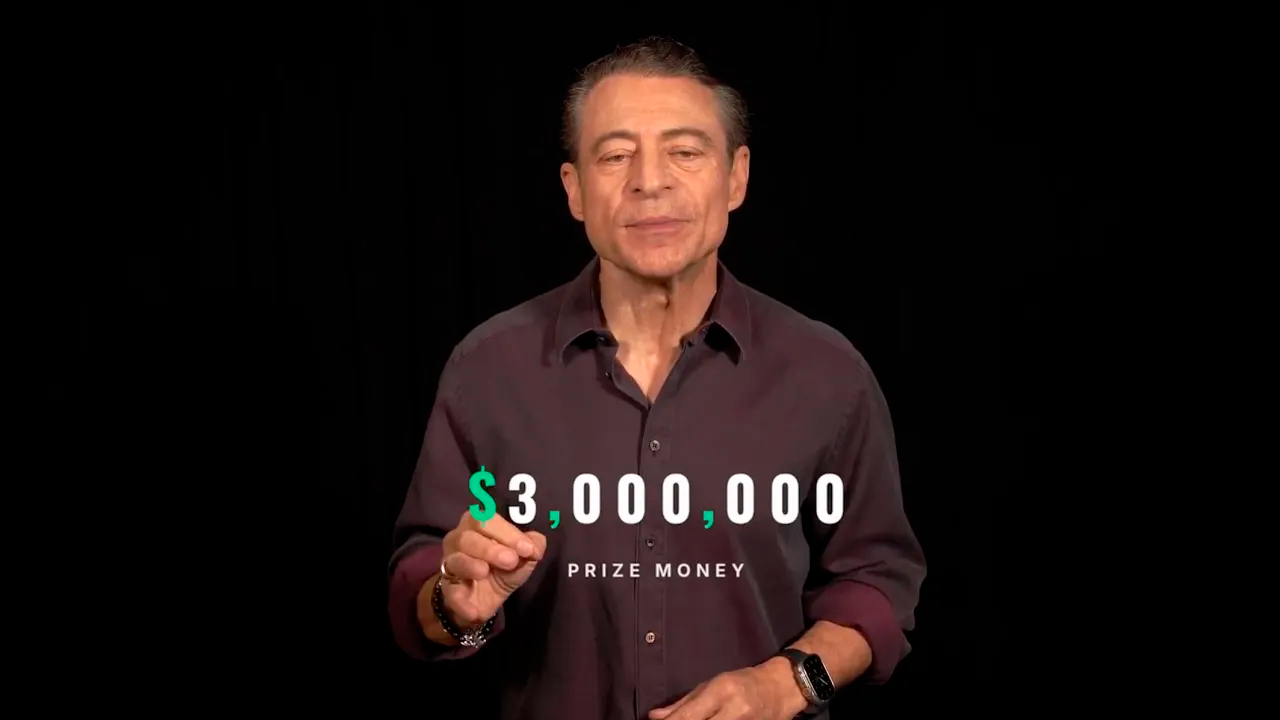
Still from the promotional video by Peter Diamandis

Share this post:

Future Vision XPRIZE: $3.5M for Optimistic Sci-Fi Films

XPRIZE founder Peter Diamandis launched the Future Vision XPRIZE on March 9, 2026, a $3.5M+ global competition asking creators to imagine abundant, technology driven futures for humanity. The mission is direct. Show us a future worth building.

Why Optimistic Sci-Fi Matters

Diamandis has argued for years that the stories we tell about the future shape the futures we actually build. Star Trek gave us the communicator. The generations raised on those stories built the mobile phone. Today, most mainstream science fiction centers collapse, dystopia, and existential dread. The Future Vision XPRIZE is a direct counter to that current.

The competition explicitly seeks stories where technology advances human abundance, not stories of surveillance states, rogue AI, or civilizational collapse. Creators are asked to write conflict into their narratives, because compelling drama still requires stakes, but the resolution must point toward hope.

What You Need to Submit

The entry format is focused and achievable. Each submission must include a 3 minute sci-fi film trailer, a treatment of up to 12 pages, and a 2 page synopsis. There is no entry fee and the competition is open worldwide. AI tools are explicitly allowed, which removes a major barrier for independent creators who previously could not compete on production value alone.

Submissions open now and close on August 15, 2026. Finalists will be announced and winners revealed at a live event in Los Angeles on September 25, 2026.

The Prize Structure

The competition distributes more than $3.5 million across multiple tiers:

Tier Prize
Grand Prize $2.5M production fund + $100K cash
4 Runners-Up $100K each
Top 10 $10K each

The Grand Prize is designed as production funding, not just award money. The intent is to get the winning vision actually made as a full film.

Judges and Partners

The judging panel includes Astro Teller (Captain of Moonshots at Google X), Cathie Wood (ARK Invest), Rod Roddenberry (Roddenberry Foundation), and Anousheh Ansari (XPRIZE CEO). That combination of technology, finance, and entertainment industry credibility signals that this is a serious institutional effort, not a speculative content contest.

Partners include Google, Range Media Partners, Salesforce, ARK Invest, the Roddenberry Foundation, Republic, Xsolla, and individual backers including Jed McCaleb and Ben Horowitz. Seth Green is also listed among the contributors, bringing a long career in genre filmmaking to the advisory side.

What This Means for AI Filmmakers

For independent creators working with AI generation tools, this competition changes the math entirely. A filmmaker working alone or in a small team can now produce a visually sophisticated 3 minute trailer at a fraction of what photoreal production cost two years ago. The explicit allowance of AI tools in the submission rules removes any ambiguity.

The judging criteria prioritize narrative impact, visual ambition, and inspirational value. Those are criteria where a well crafted AI generated sequence can absolutely compete. The story and the vision are what judges are evaluating. Execution quality matters, but the prize is not a technical demo competition.
The XPRIZE Model and What It Has Produced

Diamandis founded XPRIZE in 1994 after reading about the Orteig Prize, which awarded $25,000 to the first person to fly nonstop between New York and Paris. Charles Lindbergh won in 1927 and the competition launched the commercial aviation era. Diamandis adapted the structure for technology challenges: define a specific, verifiable goal; fund a prize large enough to attract serious teams; open the competition globally so unconventional entrants can participate.

The 2004 Ansari X PRIZE offered $10M for the first private team to reach 100 kilometers altitude twice in two weeks. Scaled Composites won. The competition launched the private spaceflight industry. Future Vision XPRIZE applies the same structure to narrative filmmaking for the first time, treating the creation of optimistic stories as a technical and creative challenge worth solving with prize incentives.

Why Diamandis Chose Storytelling as the Target

Diamandis has argued for decades that dominant cultural stories shape what engineers and scientists believe is achievable. The Star Trek communicator is his clearest example. Roddenberry imagined a handheld communication device in the 1960s, and the generation of engineers who grew up watching the show built the mobile phone. The causal chain between fiction and technology development runs through the entire history of modern innovation.

Contemporary science fiction has largely abandoned that function. Dystopian scenarios and civilizational collapse now dominate theatrical and streaming catalogs. Future Vision XPRIZE is a structural response. It funds stories about futures worth building before the dystopian default becomes the only creative frame the next generation of filmmakers inherits.

The Grand Prize as a Production Deal

The $2.5 million component of the Grand Prize is structured as production funding, not prize money. Diamandis has stated that the intent is to get the winning vision actually made as a full film. That distinction changes what winning means for an independent creator.

Cash prizes end at the ceremony. A production fund commits the money to the project and implies a subsequent release, which puts the winner inside the distribution system rather than simply recognizing them outside it. The Los Angeles-based announcement event and the caliber of the partners suggest the competition is designed to generate distribution relationships as well as a prize.

Why AI Generation Changes Who Can Compete

Two years ago, producing a visually sophisticated 3 minute science fiction trailer required camera equipment, locations, a crew, and post-production software. The minimum costs for anything with production value matching a theatrical standard ran to five or six figures. A filmmaker working alone had no realistic path into that tier of competition.

AI generation tools changed the ceiling. A creator with a laptop and access to current text-to-video tools can now produce concept sequences, digital environments, and effects work that would have required significant crew and equipment in 2023. The competition's explicit allowance of AI tools removes any ambiguity about whether that work qualifies for submission.

The September 25 Los Angeles Event

Finalists will be announced and winners revealed at a live event in Los Angeles on September 25, 2026. The choice of Los Angeles over a technology conference city sends a deliberate signal about which industry the competition is recruiting into. An in-person event in that market puts finalists in front of distribution executives and producers who can act on what they see.

Past XPRIZE competitions have produced effects beyond the prize itself. The Ansari X PRIZE led to subsequent commercial investment that created the private spaceflight sector. The medical XPRIZE competitions generated companies that continued well after the competitions ended. A successful Los Angeles event for Future Vision could produce similar downstream activity in the AI filmmaking sector.

What the Judging Criteria Measure

The criteria prioritize narrative impact, visual ambition, and inspirational value. None of those qualities require a specific production method. A 3 minute AI generated sequence that conveys scale, wonder, or emotional stakes is evaluated by the same standard as a sequence shot on film with a crew of thirty.

Seth Green brings genre filmmaking experience to the advisory side. Astro Teller, Rod Roddenberry, and Cathie Wood bring credentials in technology, entertainment history, and finance. The panel is evaluating whether the vision works as a story, not whether the production method meets a conventional standard.

How to Enter

Registration and full submission guidelines are available at futurevisionxprize.com. The official rules PDF on the site covers eligibility, content standards, rights, and judging methodology in detail.

Major AI film prizes have already paid out at scale. The UAE launched the world's first $1M AI Film Award in Dubai through the 1 Billion Followers Summit, drawing 3,500 submissions from 116 countries. Tunisian filmmaker Zoubeir Jlassi ultimately won that competition with his film LILY, a nine minute French language short made entirely with Google Gemini tools. The Future Vision XPRIZE raises both the prize total and the creative ambition. The Dubai award rewarded completed films. This competition funds the production of the winning vision.

The Narrative Science Behind the XPRIZE Premise

The connection between science fiction storytelling and technology development is well documented in innovation research. Neal Stephenson, Kim Stanley Robinson, and Ursula K. Le Guin have all described how speculative narratives create cognitive infrastructure for technical work, giving engineers a shared vocabulary and a reference point for what success looks like. Diamandis's XPRIZE philosophy is a formalized version of that insight. If the stories that circulate in a culture frame its possible futures, then changing the stories is a legitimate strategy for changing the futures.

Contemporary science fiction's dystopian default is not a neutral aesthetic choice. It is a curriculum. A generation of filmmakers, technologists, and policy makers who have absorbed primarily collapse narratives will approach the future with a different orientation than one that has absorbed primarily abundance narratives. Future Vision XPRIZE is a deliberate intervention in that curriculum.

Entering With AI Generation Tools

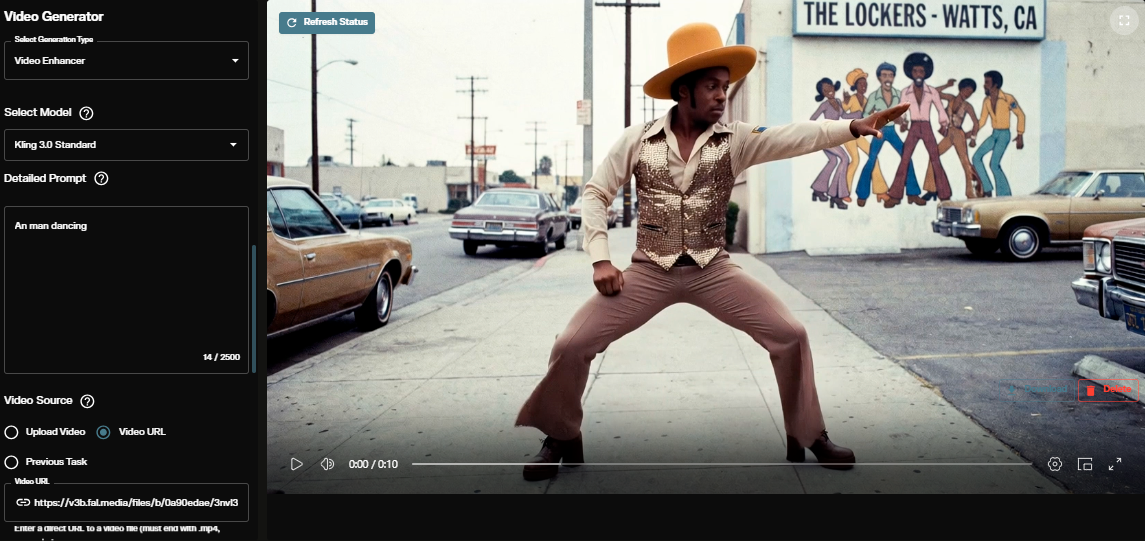
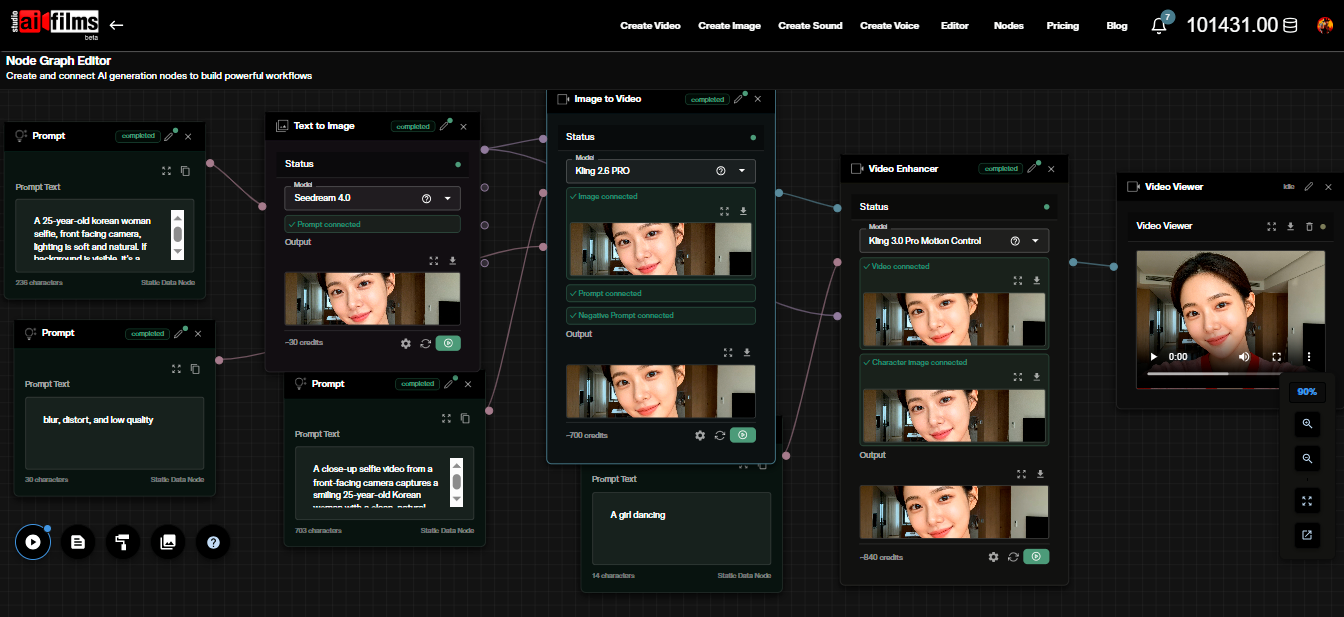
For independent creators planning to enter, the AI FILMS Studio video workspace provides access to the current generation of text-to-video models for producing the kind of visual sequences a 3 minute sci-fi trailer requires. The explicit allowance of AI tools in the submission rules makes those tools a direct path to the production quality the judging criteria reward.

A strong submission does not require a large team or traditional production infrastructure. It requires a clear vision, narrative structure that conveys stakes and resolution, and visual execution at a level that communicates ambition. AI generation tools make the visual execution accessible to creators who have the vision and the narrative craft but not the crew budget.

The Partners and What Each Brings

The Future Vision XPRIZE partnership structure reflects the competition's intent. Google provides technical infrastructure and is an active participant in AI filmmaking development through projects including Aronofsky's Primordial Soup. ARK Invest, Cathie Wood's firm, brings a track record of early-stage investment in technologies where mainstream consensus has been wrong about timing. The Roddenberry Foundation carries Rod Roddenberry's direct connection to the intellectual property that Diamandis cites as the clearest example of science fiction shaping technological development.

Range Media Partners, a talent management company, and Republic, the investment platform, bring the distribution and financing relationships that could connect a winning submission to the production infrastructure it would need to become a full film. The partnership is designed to carry the winner beyond the prize ceremony, not just recognize them at it.

The Roddenberry Foundation's involvement is the most direct signal of the competition's intellectual lineage. Rod Roddenberry's foundation specifically supports the creation of content that explores futures consistent with the optimism and technological possibility that defined his father's work. A science fiction competition that explicitly rewards abundance narratives over dystopian ones is doing exactly what the foundation exists to fund. That alignment between the competition's stated goals and a named partner's institutional mission gives the competition a credibility it would lack if the partners were primarily financial sponsors with no philosophical connection to the premise.

The combination of Google, ARK Invest, Range Media Partners, and the Roddenberry Foundation in a single competition is unusual. It puts technology infrastructure, investment capital, talent relationships, and a philosophical legacy around a single $3.5 million prize pot. Each partner brings a different resource the winning submission needs to become a full film. That structure makes Future Vision XPRIZE more than a contest. It is a deliberate attempt to assemble the resources a winning vision actually needs to exist as a film, not just as a prize-winning entry.

For a broader look at how filmmakers are already using AI in professional productions, read our piece on how the House of David used an AI hybrid workflow.

The challenge for independent creators entering is not production quality. AI generation tools have made professional-looking output accessible to filmmakers working alone. The harder work is developing a vision for what optimism looks like that is specific enough to be distinctive and broad enough to reach an audience. That is the creative problem Future Vision XPRIZE is asking entrants to solve, and it is the same problem every filmmaker faces regardless of production method.


Sources

XPRIZE Foundation | Peter Diamandis / Metatrends Substack | Future Vision XPRIZE Official Site | Announcement Video