
Hollywood AI Post Production: New Data Shows 80% of Work Goes Uncredited

Share this post:
Hollywood AI Post Production: New Data Shows 80% of Work Goes Uncredited
A leading AI technology company used extensively across Hollywood post production is credited on approximately 1 in 5 projects it completes. The figure came from the company itself, disclosed at the Advanced Imaging Society's annual meeting in Laguna Beach in late June 2026. That means roughly 80 percent of its work on Hollywood productions goes publicly unacknowledged.
The disclosure is significant because it is the first time a company operating inside the industry has quantified the credit gap rather than anecdotally described it. The unnamed firm's work included at least one major 2026 box office release, where the film's director was personally involved in selecting its AI tools.
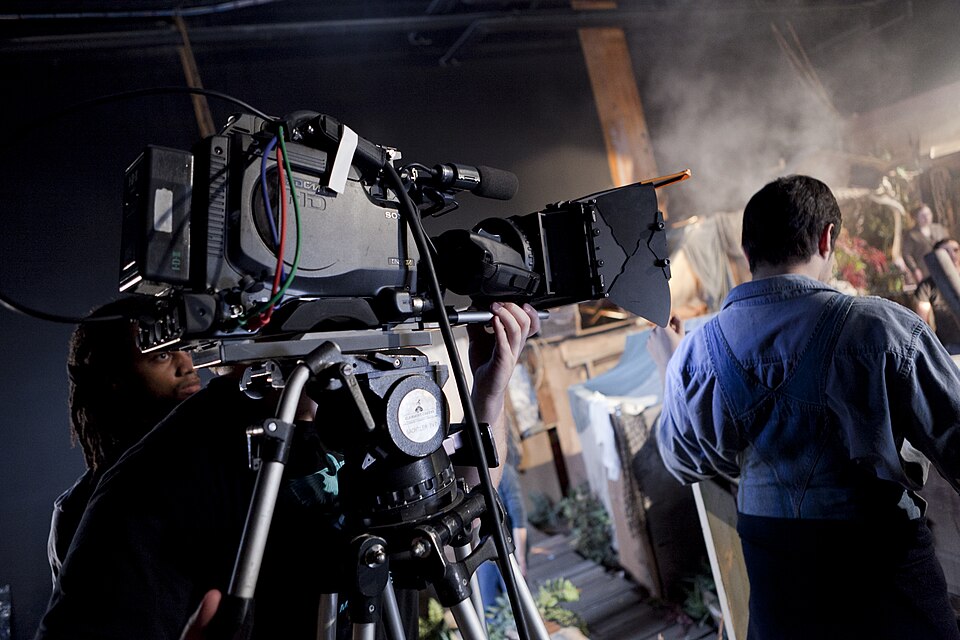
The Cosmetic Surgery Analogy
Deadline's Rendering column, which first reported the figure, framed the industry's approach to AI credits with a precise comparison: cosmetic surgery. The analogy is that AI post production is "effective only when the result is imperceptible." Studios stay silent for the same reason that cosmetic surgery patients often do.
The concern is not legal but reputational. Studios fear audience backlash from the word "AI" even when the application is non generative work closer to conventional VFX, such as deaging, compositing, or background restoration. The solution adopted industry wide is to complete the work and say nothing.
The practical consequence is that productions can shift significant portions of their post production budget to AI vendors while publicly presenting the work as conventionally produced. For award campaigns, this is particularly valuable. A film can claim the full creative achievement of its human artists while the AI contribution sits in the accounting without a credit line.
The Advanced Imaging Society figure adds a quantitative dimension to what had previously been anecdotal. But the 1 in 5 rate may understate the actual credit gap, because it reflects only the specific company presenting at the meeting. Studios that have embedded AI into standard pipeline software, where AI functions run automatically without a distinct approval step, may not be tracking credit incidence at all.
Guild Transparency Rules Are Now in Effect
Three major guild agreements ratified in 2026 each include explicit AI transparency provisions. The WGA studios deal requires studios to notify writers when AI was used on material they worked on. The SAG-AFTRA agreement includes disclosure requirements for synthetic performers. The DGA's four year contract, ratified June 26, 2026, requires studios to notify directors in advance when AI use is expected on their project.
These provisions exist on paper. The Advanced Imaging Society meeting data suggests they have not changed studio crediting behavior. The gap between contractual language and actual disclosure is what the 1 in 5 figure captures.
This is the next chapter of a pattern the blog first documented in February 2026, when studios were found to be concealing AI use even when guilds had begun demanding disclosure. In that earlier period, the evidence came through specific case studies: Secret Invasion, The Brutalist. Now a company inside the system has put a number on it.
The guild provisions also contain a specific gap: they govern the relationship between studios and workers still inside active union contracts. They do not address the AI post production work flowing through vendor companies, offshore pipeline teams, and gig economy contractors who have no guild relationship. A production that routes AI work through those channels satisfies its contractual notification obligations to its union members while leaving the broader AI contribution entirely untracked.
The Audience Transparency Gap
Studios facing the question of audience disclosure operate in a completely separate framework from guild notification requirements. Guild provisions govern what studios must tell their own workers. No equivalent obligation exists toward the people watching the finished film.
New York's AI disclosure law, which took effect June 9, 2026, requires labeling when synthetic performers appear in advertisements but explicitly exempts motion pictures and television programs. California's proposed AB 412, the AI Copyright Transparency Act, targets training data documentation rather than finished film disclosure and has stalled in the state Senate. Federal legislation has not progressed beyond draft proposals.
That means studios can comply with every guild AI provision in their contracts while remaining fully silent toward audiences. The disclosure that exists is labor disclosure. Audience disclosure is optional, and the industry's track record on optional disclosure is the 1 in 5 figure itself.

Industry Convenes Around the Problem
The Advanced Imaging Society gathered major studio technology executives at its Laguna Beach meeting alongside a newer voice in the conversation: Joseph Gordon-Levitt's Creators Coalition on AI. The coalition lists transparency as its first stated goal, and its attendance alongside studio technologists signals an unusual alignment in purpose, if not yet in practice.
The Creators Coalition has argued publicly that audiences, guild members, and filmmakers all have a legitimate interest in knowing when AI tools shaped the work they are watching or contributing to. The 1 in 5 disclosure rate is the sharpest counter-evidence that industry practice matches that principle.
The gap also has a technical dimension. Standards like C2PA, the content provenance protocol being pushed by Adobe and other companies, are designed to create verifiable records of AI use in creative assets. A full explainer on how C2PA works and what it verifies covers the mechanics, but adoption at the studio level remains limited.
Adoption of C2PA at the studio level is limited not because the technology is unavailable but because creating a verifiable content provenance record also creates a discoverable legal record. Studios navigating WGA opt out provisions, SAG-AFTRA consent requirements, and DGA consultation obligations have a direct interest in minimizing the documented trail of AI tool use.
The Advanced Imaging Society meeting brought together the executives who operate on both sides of that calculation. Company representatives building AI tools attended alongside studio technology officers who deploy them. That both groups attended alongside Gordon-Levitt's coalition suggests the conversation is shifting from whether AI use should be disclosed to how, and under what institutional pressure that disclosure will finally happen.
What a Credit Would Actually Need to Say
No standard exists for what an AI credit in a theatrical release should look like. Guild agreements establish notification obligations between studios and workers, but they do not specify what audiences see, where it appears in the credits sequence, or what level of detail is required.
A VFX credit identifies the company that completed the work. An AI credit would need to do something more specific to be meaningful: identify the model used, its training data provenance, which specific elements it generated or modified, and whether those elements received human review before the final cut. Without that specificity, an "AI assisted" credit line conveys no more information than "color graded" did before the practice became universal.
Productions that want to be specific face a practical difficulty. AI tools are often embedded in standard post production software rather than deployed as standalone systems with discrete credit attribution. Crediting them would require vendors to document AI tool use at a level of granularity that current workflow tracking does not support and that clients have not contractually required.
Who Benefits From the Current Arrangement
The 1 in 5 crediting rate is not random. It reflects a specific incentive structure that benefits studios, AI vendors, and the productions that use both. Studios avoid potential audience backlash and award campaign complications. AI vendors maintain client confidentiality, which protects their commercial relationships and prevents competitors from identifying which studios are deploying which tools. Productions benefit from the cost savings of AI post production without bearing any of the reputational cost of disclosing it.
The three parties who lose from the arrangement are the labor force whose work AI is automating, the audiences who cannot evaluate what they are watching with accurate information, and the guild negotiators who secured provisions that depend on disclosure to function. None of those parties have a mechanism to enforce transparency against studios that find the current arrangement preferable.
That alignment of incentives is why the disclosure rate has not improved despite guild agreements, public criticism, and multiple industry meetings on AI transparency. The agreements require notification to workers in active employment relationships. They do not create an incentive for studios to go beyond that minimum.
One structural pressure could shift it: litigation. If a production fails to notify a guild member as required and the member discovers the violation through a press report rather than studio disclosure, the grievance filing creates a legal record. A pattern of successful grievances could make non-disclosure financially riskier than disclosure. That pressure does not yet exist at scale, but the 2026 guild agreements create the framework for it to develop.
What Disclosure Actually Requires
Calling out AI in film credits is not a straightforward process under current guild agreements. The WGA provision applies to material AI touched during a writer's engagement, not to the full production. SAG-AFTRA's disclosure rules apply to synthetic performers, not to post production enhancements. The DGA provision covers pre production notification, not necessarily screen credit.
None of the three guild agreements establishes a standard for what an AI credit in a theatrical release should say, where it should appear, or whether audiences should see it at all. That means even productions that comply with guild notification requirements have no obligation to tell viewers.
The cosmetic surgery analogy holds in another direction: the patient can consent and know, while the audience still sees only the result.
The most likely path to audience disclosure is not legislative but commercial. If a film's marketing team identifies transparency as a competitive advantage, the industry will adopt it faster than any regulatory timeline. That has not happened yet, but the audience data cited by Hub Entertainment Research, showing viewers are more receptive when told about AI upfront, suggests the marketing case exists.
The Gap Between Guild Frameworks and Gig Work
Guild agreements cover above-the-line departments and specific union classifications. The AI post production work happening outside those frameworks, at vendor companies, through gig economy platforms, and in offshore pipeline teams, falls largely beyond the scope of any 2026 guild agreement.
The "1 in 5" credit figure comes from one vendor disclosing its own uncredited work. It does not capture AI tool use by internal studio teams that have embedded AI into standard pipeline software, or the workforce globally that does AI quality control tasks on Hollywood content without any guild affiliation. That workforce is substantial and growing.
Hollywood writers, editors, and storyboard artists who have lost film and TV work are now taking AI model training gigs through platforms including Mercor, earning $50 to $150 per hour annotating and rating AI outputs for companies whose clients include entertainment industry applications. The credit gap and the training gig economy represent two sides of the same dynamic. Studios complete AI post production work without crediting it. Displaced workers contribute creative labor to the AI systems that make that work possible, without receiving either credit or union protections.
This labor dimension is what the 2030 bargaining cycle will likely need to address directly. The 2026 agreements govern active productions and named union members. They do not reach the supply chain of workers whose domain expertise is being harvested to train the tools those agreements are designed to govern.
The Missing Enforcement Mechanism
Guild agreements establish notification requirements, but no enforcement body has the mandate to verify that studios are complying with them at the production level. The WGA knows when a writer reports that AI was used on their material without notification. It cannot audit productions proactively to discover what AI tools were deployed before any complaint is filed.
That gap means the credit problem is also an enforcement problem. A studio that uses AI post production without notifying the relevant guild members faces potential grievance proceedings if a worker discovers the violation. It does not face any routine audit mechanism that would surface the violation without a worker raising it. Workers who do not know AI was used on their project cannot file a grievance about AI being used on their project.
The 1 in 5 crediting rate came from a company voluntarily disclosing its own data. The actual rate across the full industry, including studios that have not disclosed anything, is unknown. The mechanism that would make that figure knowable, a standardized production AI log that feeds into guild compliance verification, does not exist and was not created by any of the 2026 guild agreements.
The mechanics of any grievance cycle would need to evolve to change disclosure behavior at scale. A WGA grievance filed over a single undisclosed AI use addresses that production in isolation. It does not create a precedent binding other studios or requiring industry-wide documentation. Class action approaches to systematic non-disclosure are legally untested in the entertainment context.
What would change the incentive structure is a guild inspection right, analogous to safety inspection rights already written into some union agreements, that allows guild representatives to audit post production logs for AI tool deployment. No 2026 agreement includes an inspection right. Studios successfully resisted it at the bargaining table.
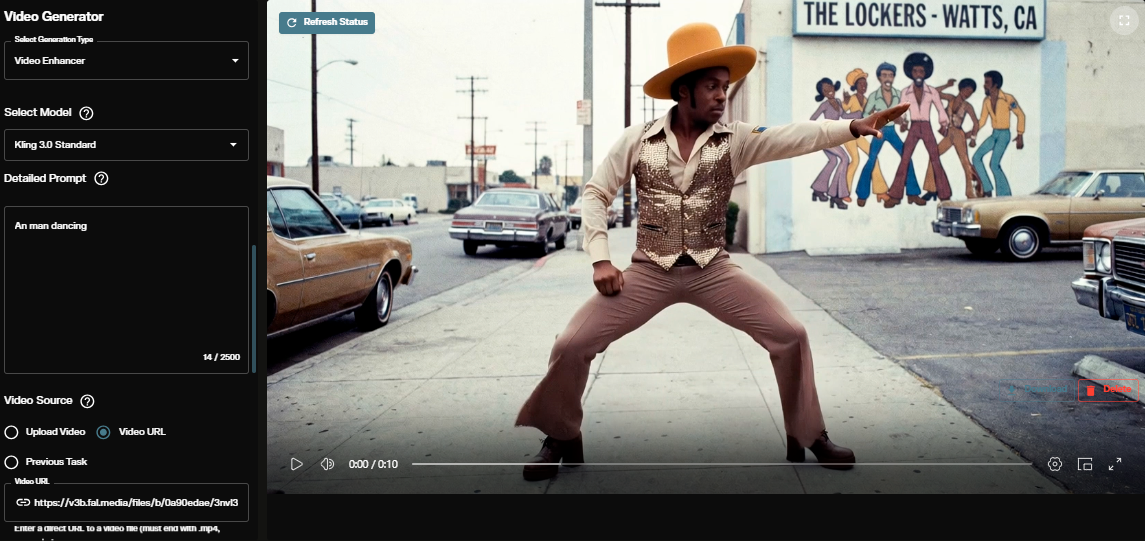
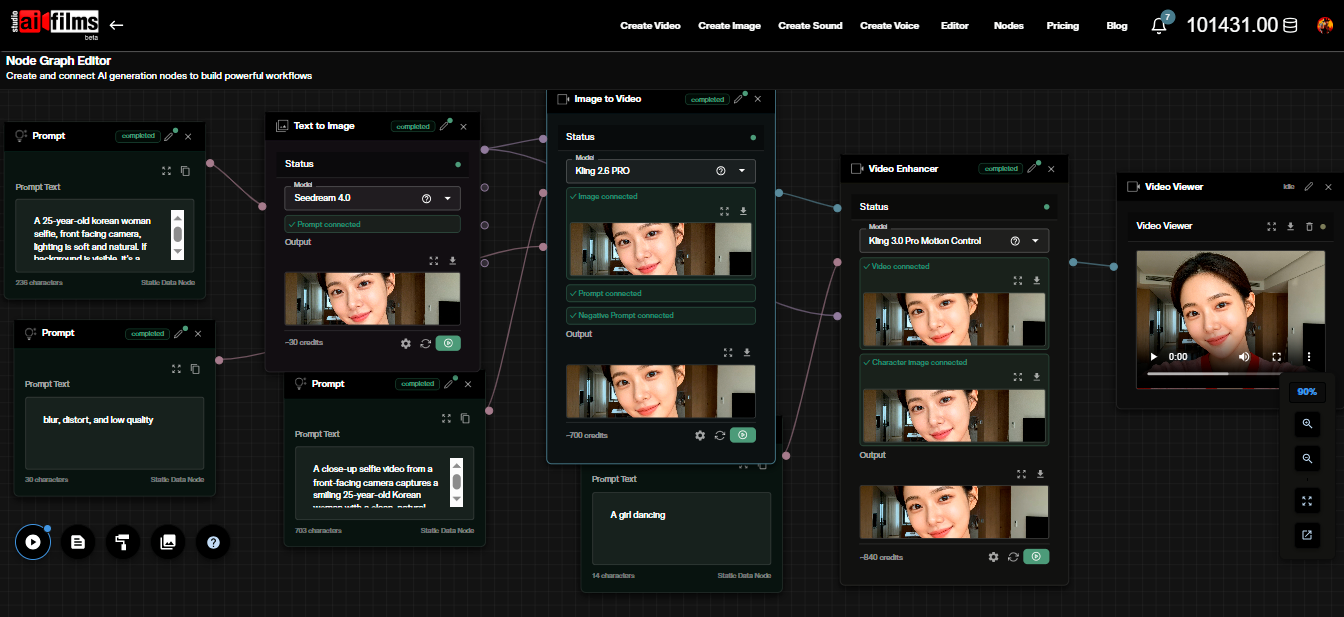
Filmmakers who want to build and document AI assisted workflows openly can start from AI FILMS Studio's video workspace, where each generation is logged to the session.
Sources
Deadline | The Wrap | The Hollywood Reporter | IndieWire
Continue Reading
.jpg?w=3840)


Video & LipSync
- Video Generator
- Text to Video
- Image to Video
- Start-End Frame to Video
- Draw to Video
- Motion Control
- Video Enhancer
- Video Upscaler
- Video Extend
- Video to Video LipSync
- Audio to Video LipSync
- Image to Video LipSync
- Video FaceSwap
- Seedance 2.5
- WAN 3.0
- Seedance 2
- FLUX 3
- Minimax H3
- Vidu Q3 Pro
- Grok Imagine Video 1.5
- Gemini Omni
- Google Veo 3.1
- Kling 3.0 Pro
- Luma Ray 3.2
- LTX 2.3
- Happy Horse 1.1
- Kling 3.0 Motion
- ByteDance Upscaler
- InfiniteTalk
- InsightFace
Image & Edit
- AI Character
- AI Actor
- Art Generator
- Text to Image
- Image to Image
- LoRA Image to Image
- Draw to Edit
- Image LoRA Training
- Remove Background
- Image Enhancer
- MidJourney 8.0
- Krea 2
- OpenAI GPT Image 2.0
- Nano Banana Pro Ultra
- Nano Banana 2 Lite
- Nano Banana Pro
- Minimax Image
- Clarity Pro
- Z-Image Turbo LoRA
- Krea 2 Turbo LoRA
- Z-Image LoRA Trainer
- Qwen Image LoRA Trainer
- Background Erase Network 2 (BEN2)