
S.Czachorowski, CC BY-SA 3.0, via Wikimedia Commons
Share this post:
What AI Copyright Law Means for Documentary Filmmakers
The legal ground under documentary filmmaking is shifting. Generative AI companies have trained video models on archival footage, historical photographs, and audio recordings without rights holder authorization, and the lawsuits that followed are now producing rulings with direct consequences for nonfiction producers. On March 3, 2026, the International Documentary Association hosts a legal session to help filmmakers understand what those rulings mean in practice.
The IDA Convenes a Legal Session
The IDA's virtual seminar, "AI and the Law: What Documentary Filmmakers Need to Know," runs 9:00 a.m. to 10:30 a.m. PT on March 3. The panel brings together Dale Nelson, a partner at Donaldson Califf Perez, and Jan Bernd Nordemann, a professor of German and European copyright law, moderated by Aymar Jean "AJ" Escoffery.
The session covers three questions that currently lack settled answers: how recent AI litigation affects the fair use doctrine for nonfiction creators, what disclosure standards apply when AI tools are used in post-production or research, and how training data provenance affects a filmmaker's own IP position on a finished work.
The timing reflects urgency. Documentary makers have watched fiction studios and tech companies absorb most of the legal attention around AI and copyright, while their specific exposure to archival footage disputes has received comparatively little structured guidance.
The Archival Footage Problem
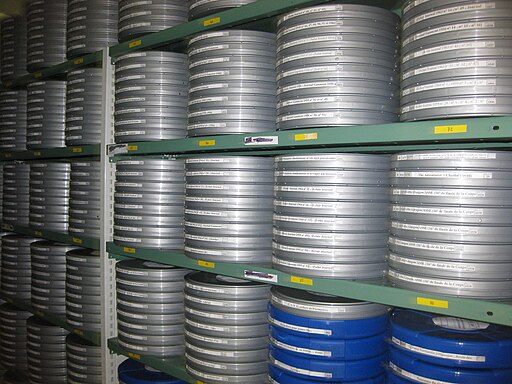
Nonfiction filmmakers occupy a specific vulnerability in the AI copyright debate. Their work depends on archival material: footage, photographs, audio recordings, and documents that carry their own chain of rights, often fragmented across estates, studios, and public institutions. Many of those materials appeared in AI training datasets without licensing or notification.
The Archival Producers Alliance has been pressing on this issue since 2023. In late February 2026, Documentary magazine published a conversation between APA co-founders Rachel Antell and Stephanie Jenkins and Getty Images leadership, covering how archives are responding to AI scraping, what licensing models could address it, and why the APA believes the historic record itself carries an integrity interest beyond any individual rights holder.
The APA's "Best Practices for Use of Generative AI in Documentaries," co-signed with ethics and academic partners, provides the closest thing the field currently has to an operational legal framework. It covers provenance documentation, primary source verification, human simulation limits, and risk mapping for archival heavy productions. Multiple documentary companies and film academies have adopted it.
What the High Court Actually Said
The legal precedent most relevant to archival footage disputes is Getty Images v. Stability AI, which reached a significant procedural milestone in the UK High Court in November 2025.
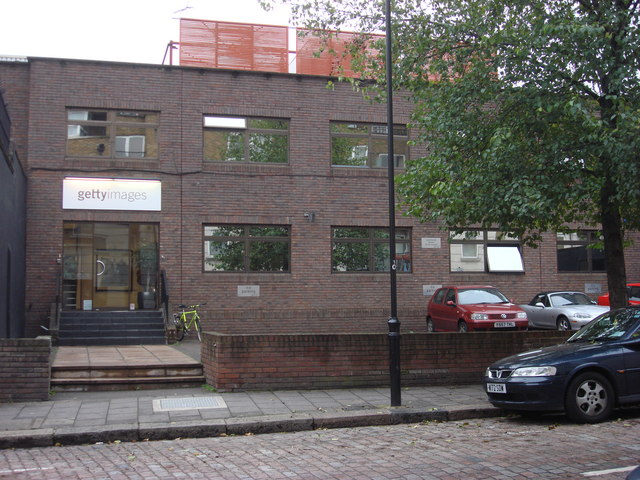
The court rejected Getty's secondary copyright claim, which sought to hold Stability AI liable for reproducing the copyright in Getty's curated image selection as a whole. However, analyses from Latham & Watkins and Mayer Brown both note that a distinct claim survived. The court allowed Getty's argument that AI outputs reproducing watermarked images constituted infringement of the watermarks themselves, separate from the training data question.
For documentary filmmakers, the ruling establishes a working principle: the training data ingestion question and the output mimicry question are treated differently. A tool trained on archival footage may escape one category of liability, but outputs that reproduce recognizable elements from licensed collections face separate scrutiny. The case also raised jurisdiction issues that matter for global archive use, since where a model is trained, where outputs are generated, and where a film is distributed can each invoke different legal standards.
How Filmmakers Should Think About Exposure
The current legal landscape creates three categories of practical risk for documentary productions.
Training data transparency. Most filmmakers using commercially available AI tools in post-production have no visibility into what footage those tools were trained on. If an AI tool generates content that closely resembles a specific archival sequence, the production may face a claim even without direct intent or access to the original.
Fair use under pressure. Fair use has historically protected nonfiction filmmakers who use short clips for commentary, criticism, or historical context. AI generated content complicates this because outputs are not direct reproductions. Courts are still determining whether a model trained on archival footage producing stylistically similar results constitutes transformative use or a derivative work.
Multi-jurisdictional exposure. Documentary films with international distribution now carry AI related legal exposure across multiple legal systems simultaneously. The Getty v. Stability AI case made the territorial complexity concrete: a single production pipeline involving training, generation, and distribution in different countries may trigger obligations under each.
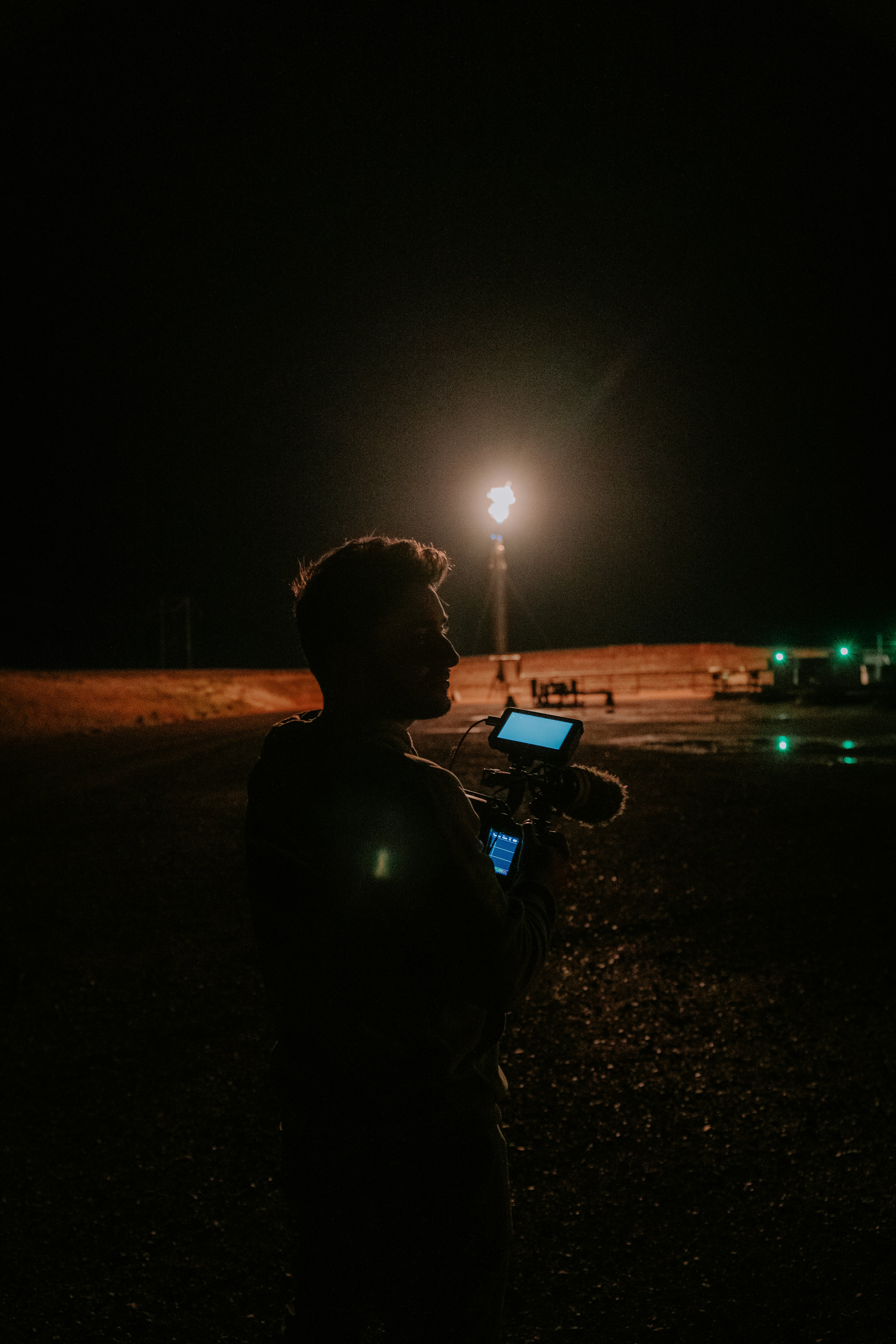
The APA recommends that productions document the provenance of archival material used in any AI assisted workflow, logging whether material was licensed, whether it appeared in known training datasets, and what verification steps were taken. These records may prove decisive if a rights holder challenges a finished film.
The Industry Is Setting Norms Before Legislation Does
What the IDA session and the APA-Getty collaboration reflect is a field trying to establish operational standards faster than case law can provide them. The emerging consensus favors transparency over ambiguity. filmmakers who document their AI tool usage and archival sourcing practices are better positioned to demonstrate good faith, regardless of how specific legal questions resolve.
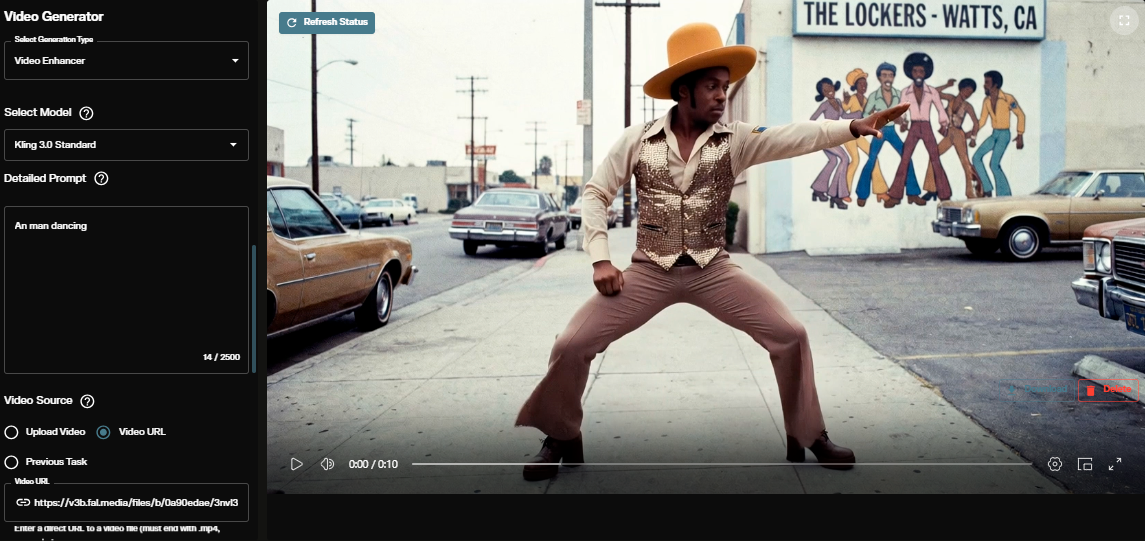
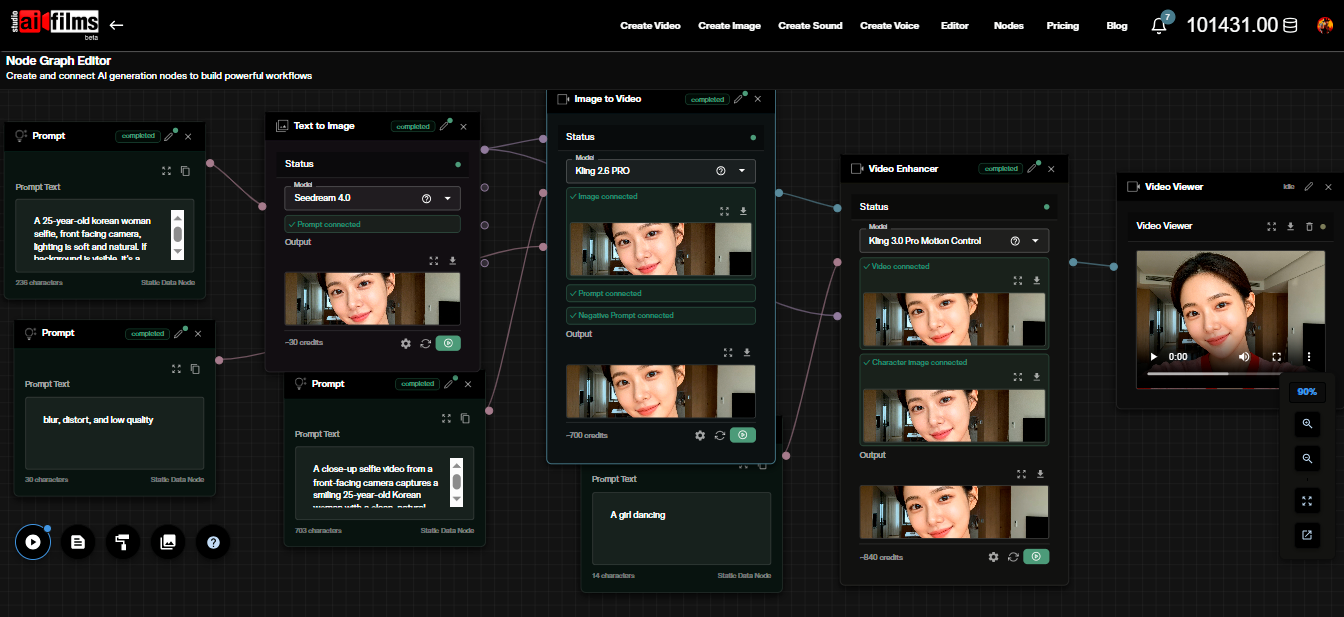
For documentary makers who want to work with AI tools now, the practical entry point is using platforms built around licensed model outputs. AI FILMS Studio provides video generation tools grounded in licensed workflows, reducing provenance uncertainty at the generation stage. For a broader view of how AI legislation is reshaping the entertainment industry, see our coverage of California's digital replica protections for actors, where similar questions around consent and unauthorized AI use are now settled by statute. At the EU level, the European Parliament voted in March 2026 to require AI providers to disclose and fairly compensate rightsholders for training data. See EU Lawmakers Vote to Protect Copyright in the Age of AI for the full picture. At the federal level, the White House released a March 2026 AI legislative framework recommending that Congress preempt state AI laws and leave fair use questions to the courts. The implications for Hollywood and documentary filmmakers are covered in our analysis of how the White House AI plan targets Hollywood's state protections.
The March 3 IDA session is open for registration at the link above. It is the most direct resource currently available for documentary filmmakers navigating this transition.
Sources
International Documentary Association | Documentary magazine | Archival Producers Alliance | Latham & Watkins | Mayer Brown | Ethics & Journalism
Continue Reading


Video & LipSync
- Video Generator
- Text to Video
- Image to Video
- Start-End Frame to Video
- Draw to Video
- Motion Control
- Video Enhancer
- Video Upscaler
- Video Extend
- Video to Video LipSync
- Audio to Video LipSync
- Image to Video LipSync
- Video FaceSwap
- Seedance 2.5
- WAN 3.0
- Seedance 2
- FLUX 3
- Minimax H3
- Vidu Q3 Pro
- Grok Imagine Video 1.5
- Gemini Omni
- Google Veo 3.1
- Kling 3.0 Pro
- Luma Ray 3.2
- LTX 2.3
- Happy Horse 1.1
- Kling 3.0 Motion
- ByteDance Upscaler
- InfiniteTalk
- InsightFace
Image & Edit
- AI Character
- AI Actor
- Art Generator
- Text to Image
- Image to Image
- LoRA Image to Image
- Draw to Edit
- Image LoRA Training
- Remove Background
- Image Enhancer
- MidJourney 8.0
- Krea 2
- OpenAI GPT Image 2.0
- Nano Banana Pro Ultra
- Nano Banana 2 Lite
- Nano Banana Pro
- Minimax Image
- Clarity Pro
- Z-Image Turbo LoRA
- Krea 2 Turbo LoRA
- Z-Image LoRA Trainer
- Qwen Image LoRA Trainer
- Background Erase Network 2 (BEN2)