
Share this post:
Japanese Anime Studios Adopt AI to Combat Labor Shortage
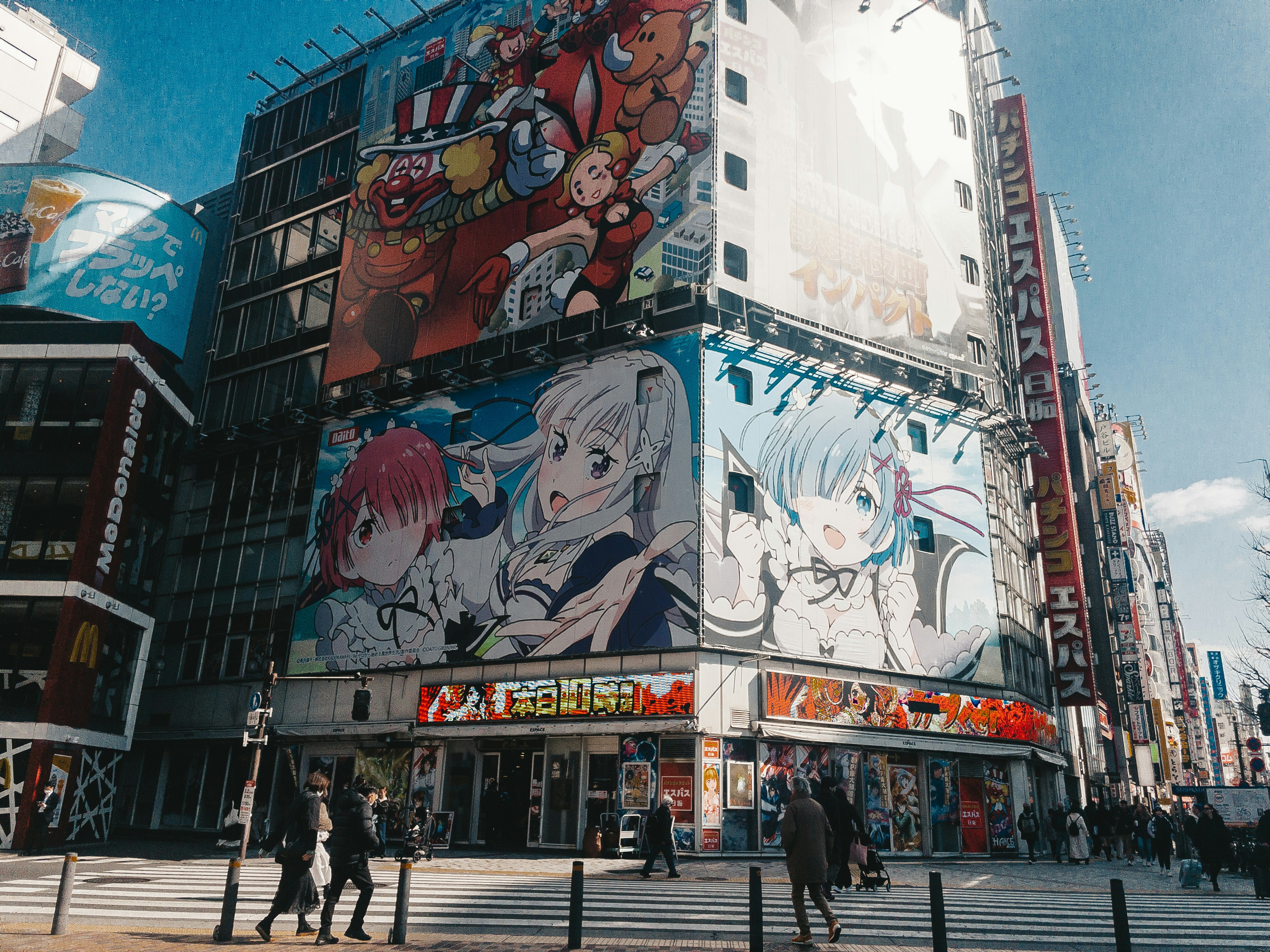
Japan's anime studios are moving to AI to plug a labor gap that has been widening for years. Multiple studios confirmed deployments covering coloring, in betweening, background generation, and storyboarding across 2024 and 2025. The industry generated $29.11 billion in 2022, running on a workforce that is underpaid, overworked, and shrinking.
A Workforce in Crisis
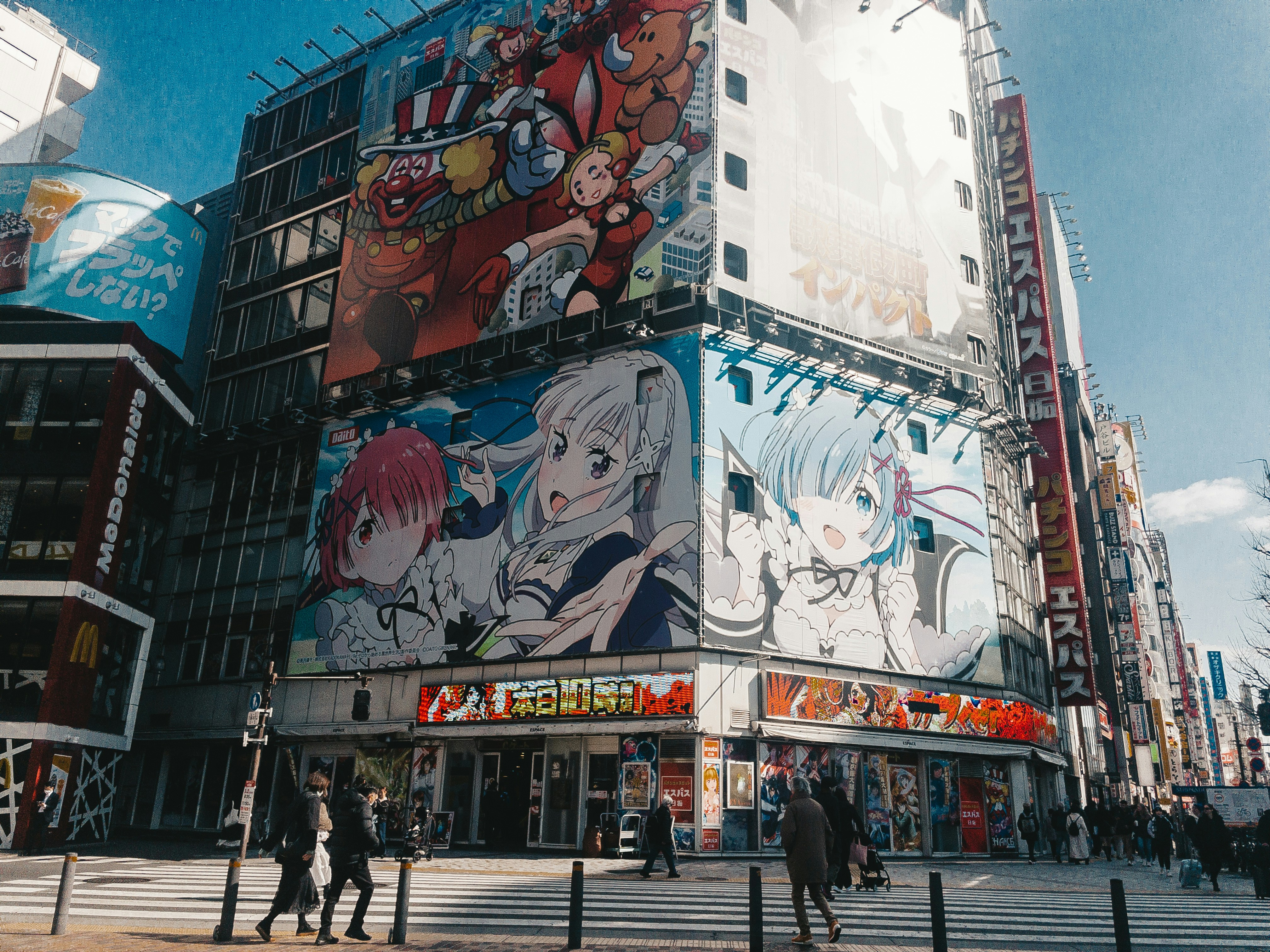
38% of anime workers earn less than JPY 200,000 per month, roughly $1,358. Average monthly hours reach 219, compared to 168 for Japan's general workforce. The hardest hit are junior in between animators, who handle the transitional frames between keyframes and form the base of every studio's production pipeline.
Japan produces hundreds of new titles annually for domestic broadcast and international streaming. Demand has not dropped. Studios that cannot fill entry level positions push that correction work onto senior animators, slipping schedules and compressing quality. AI adoption in 2024 and 2025 is a direct answer to that pressure.
K&K Design: One Week to Five Minutes
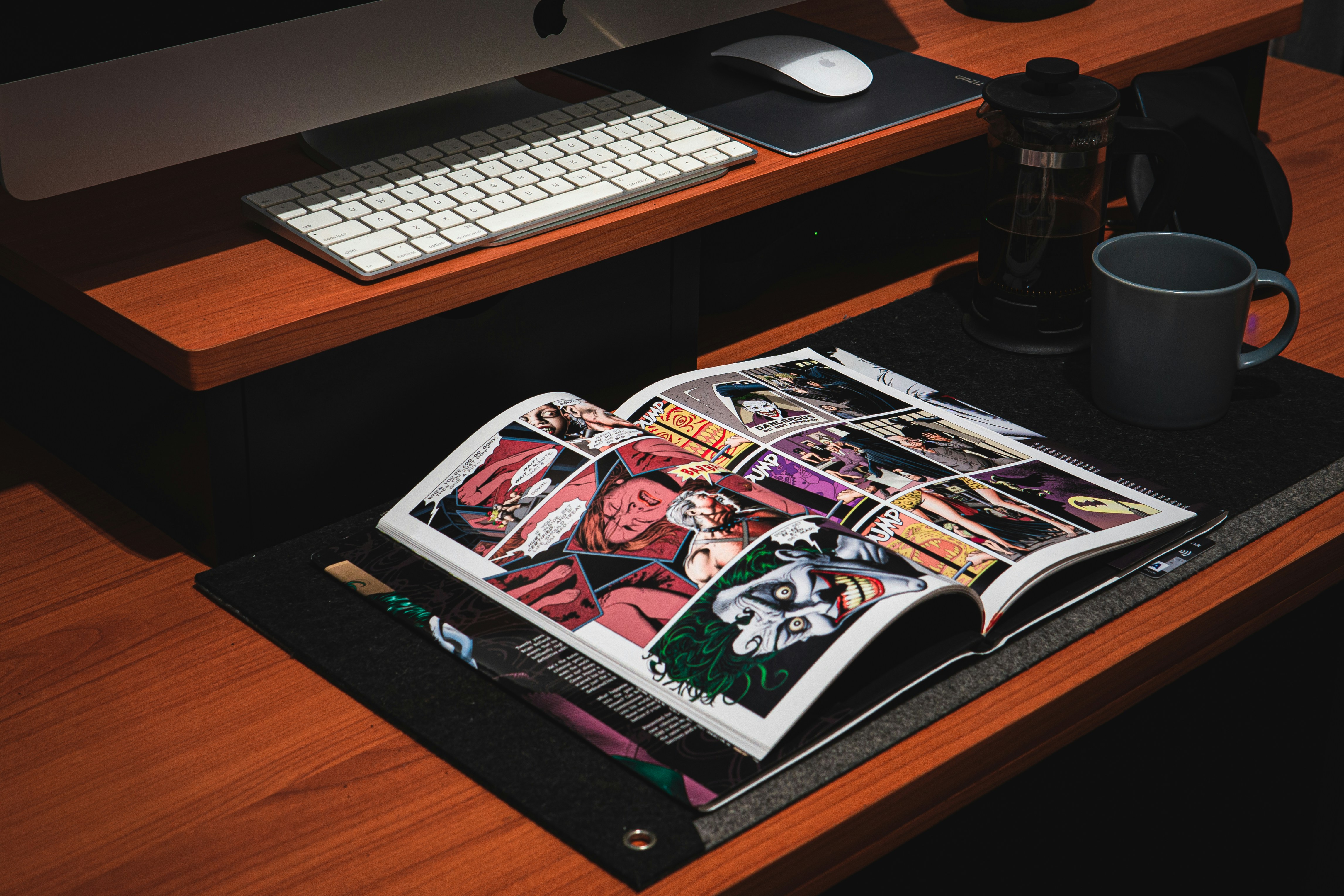
K&K Design, a Nagoya based studio, uses a customized Stable Diffusion model for background art and coloring. Director Hiroshi Kawakami said background art that used to take a week now takes five minutes.
"We needed AI to improve the working environment while maintaining quality," Kawakami said.
A five second animated clip that took a week of hand work now takes a day. The studio frames the change as a labor conditions improvement, not a headcount reduction.
.jpg)
Toei Animation Plans AI for One Piece and Dragon Ball
Toei Animation announced AI for future seasons of One Piece, Dragon Ball, and Sailor Moon. Planned uses: storyboard generation, in between animation correction, character coloring, and converting photographs into finished anime backgrounds.
The in between correction task matters most operationally. Keyframes (genga) are drawn by senior animators. The transitional frames between them, douga, go to junior staff or get outsourced to lower cost studios across Southeast Asia. AI handling douga correction would address both the staffing gap and the quality variance that comes with outsourcing at scale.
Photo to anime conversion offers a different efficiency. Instead of painting backgrounds from scratch, a team photographs a location and AI renders it in the show's visual style. For series with decades of established aesthetics, that preserves consistency while cutting time.
New Platforms Compressing Timelines
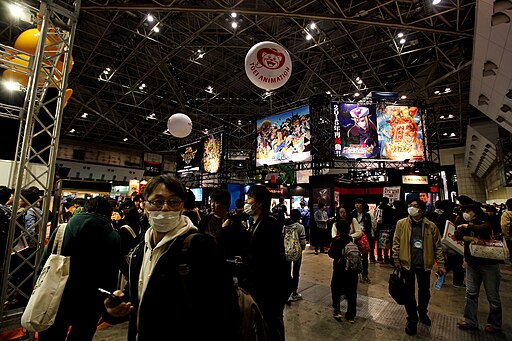
Animon.ai, launched in 2025, targets standard anime production tasks. It claims to reduce workflows that previously required 72 hours down to three minutes.
Orange, backed by a Japan Investment Corporation affiliate, built manga translation tools running at ten times the speed of human translators. It is expanding into Spanish speaking markets and India. En-dolphin, working in webtoon production, is building AI services that learn an artist's existing style and generate new illustrations from script input.
Pushback from Artists
A petition opposing unauthorized use of Japanese works in overseas AI training datasets gathered over 10,000 signatures. The concern is training data provenance. Supporters of the petition are not uniformly against production AI, but they see a direct line between uncompensated training on Japanese art and the tools now entering their studios.
Kyoto Animation has integrated AI selectively, limiting it to repetitive shading while keeping human judgment in charge of lighting and character expression. The studio's approach represents one end of a range: targeted use for the most mechanical tasks, human control over everything that defines visual identity.
The displacement question is most acute at the entry level. If AI absorbs douga correction at scale, the traditional path from in betweening into keyframe work becomes unclear. Studios argue that rising content demand will create new senior roles. That argument has not resolved the concern.
Government Position
Japan's Ministry of Economy, Trade and Industry published guidelines in July 2024 stating generative AI "can contribute to creativity in many aspects of content production." The ministry is evaluating subsidies for studios that adopt qualifying tools.
Japan's shift runs alongside similar moves across the region. China's micro drama sector, centered at Hengdian World Studios, ran more than 3,000 AI assisted productions in 2025. The full picture of that transformation shows how quickly industrial AI adoption moves once workflows are in place. The 2025 Tokyo AI filmmaking conference at Short Shorts Film Festival put Japan's animation sector directly in that broader conversation.
For Visual Creators
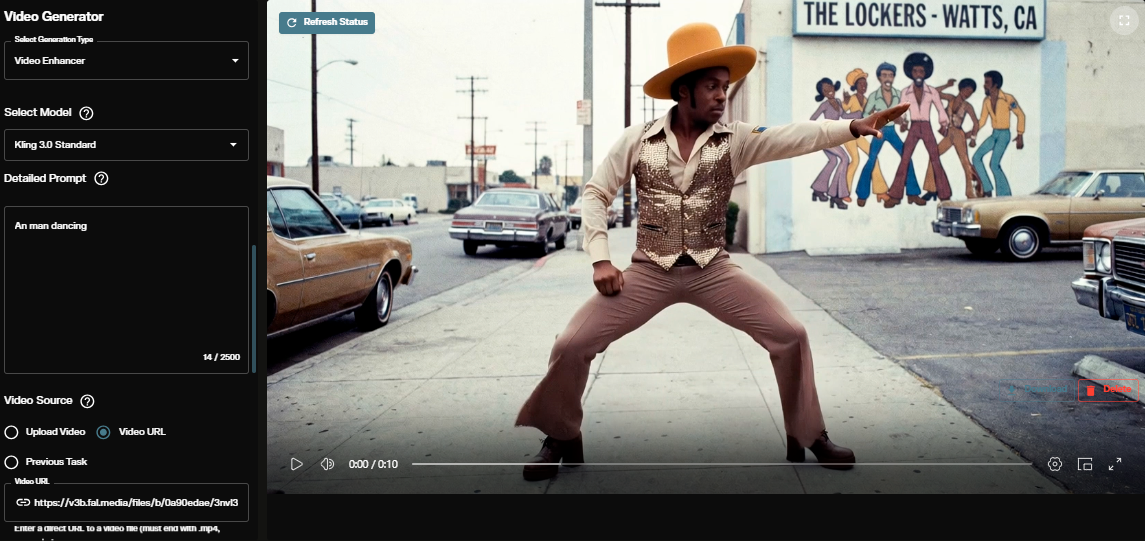
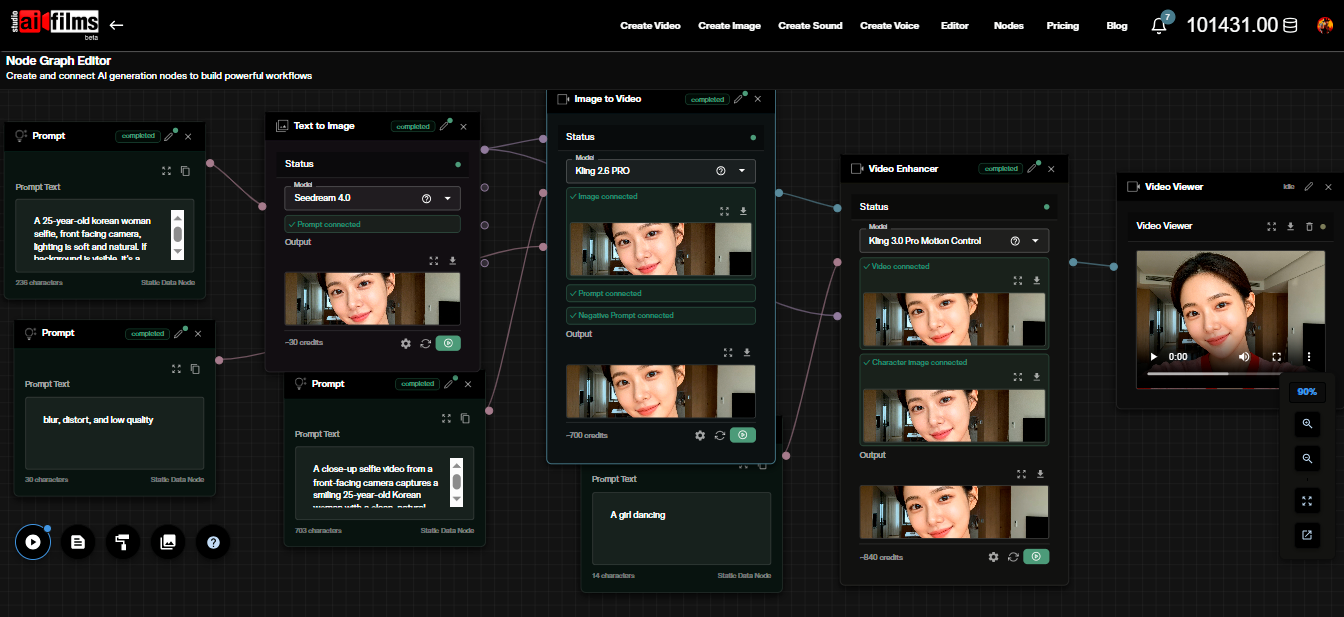
The tasks Japanese studios are automating, background generation, coloring, in between frames, apply outside anime. AI FILMS Studio's image workspace covers environment and concept generation. The Kling 3 motion control tutorial covers precise control of AI generated video movement. The FLUX 2 image generation guide covers background and asset generation at production quality. Full video generation is accessible through AI FILMS Studio's video workspace.
Sources
Chronicle AI | KR Asia | Screen Rant | IMDB News
Continue Reading


Video & LipSync
- Video Generator
- Text to Video
- Image to Video
- Start-End Frame to Video
- Draw to Video
- Motion Control
- Video Enhancer
- Video Upscaler
- Video Extend
- Video to Video LipSync
- Audio to Video LipSync
- Image to Video LipSync
- Video FaceSwap
- Seedance 2.5
- WAN 3.0
- Seedance 2
- FLUX 3
- Minimax H3
- Vidu Q3 Pro
- Grok Imagine Video 1.5
- Gemini Omni
- Google Veo 3.1
- Kling 3.0 Pro
- Luma Ray 3.2
- LTX 2.3
- Happy Horse 1.1
- Kling 3.0 Motion
- ByteDance Upscaler
- InfiniteTalk
- InsightFace
Image & Edit
- AI Character
- AI Actor
- Art Generator
- Text to Image
- Image to Image
- LoRA Image to Image
- Draw to Edit
- Image LoRA Training
- Remove Background
- Image Enhancer
- MidJourney 8.0
- Krea 2
- OpenAI GPT Image 2.0
- Nano Banana Pro Ultra
- Nano Banana 2 Lite
- Nano Banana Pro
- Minimax Image
- Clarity Pro
- Z-Image Turbo LoRA
- Krea 2 Turbo LoRA
- Z-Image LoRA Trainer
- Qwen Image LoRA Trainer
- Background Erase Network 2 (BEN2)