
ByteDance Halts Seedance 2.0 Over Hollywood Copyright Claims
Share this post:
ByteDance Halts Seedance 2.0 Over Hollywood Copyright Claims
ByteDance has suspended the planned global rollout of Seedance 2.0, its AI video generation model, after five major studios and the Motion Picture Association fired cease and desist letters over copyright infringement. The company had aimed for a mid-March worldwide release. According to The Information, those plans are now on hold.
.jpg)
The Model That Triggered Hollywood
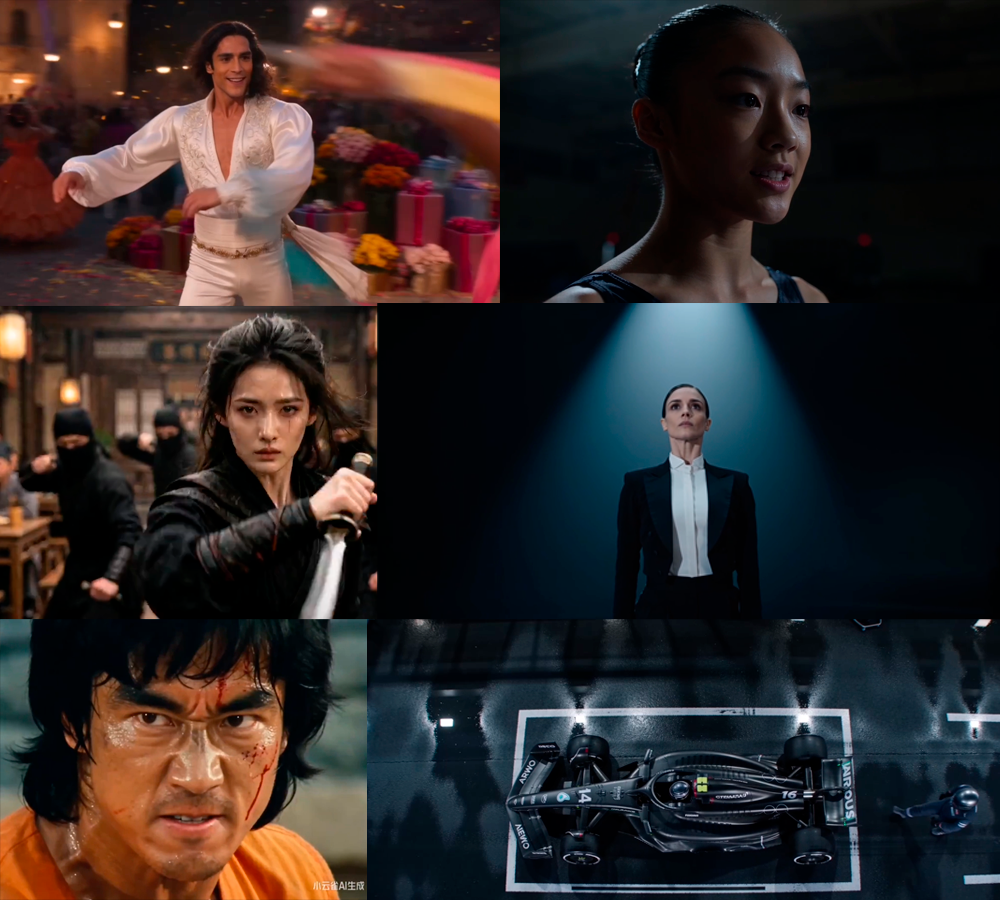
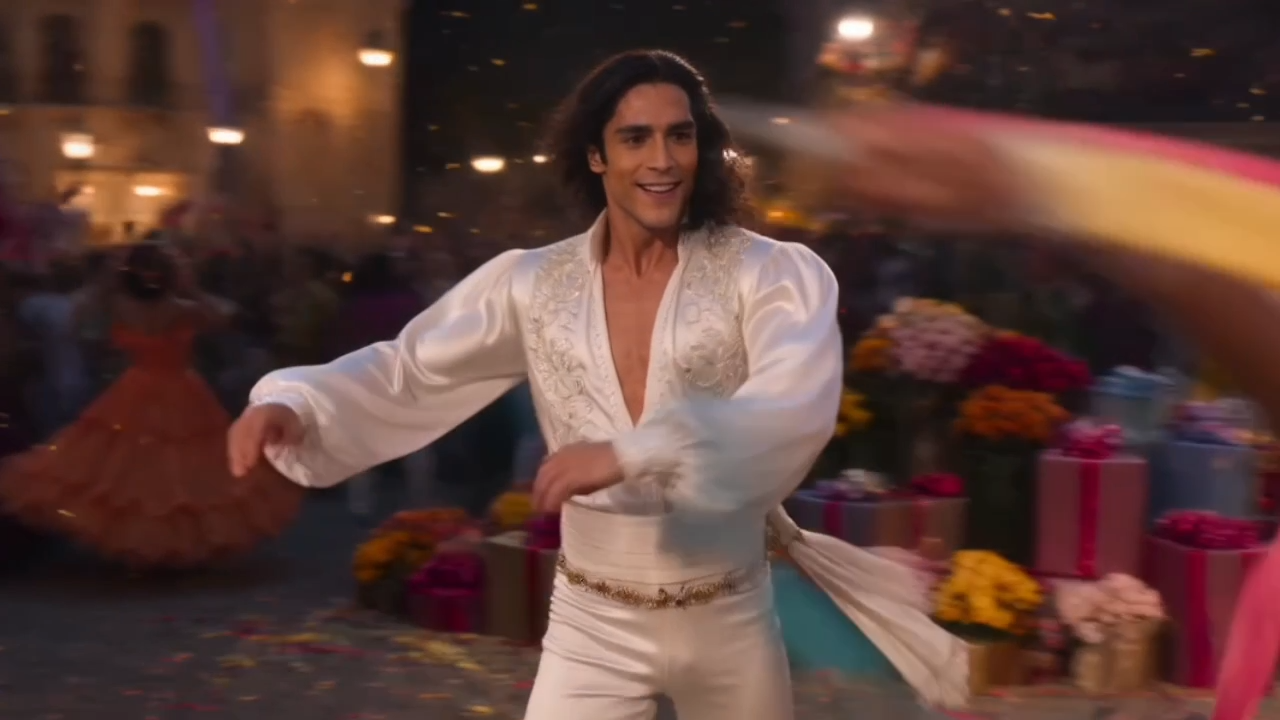
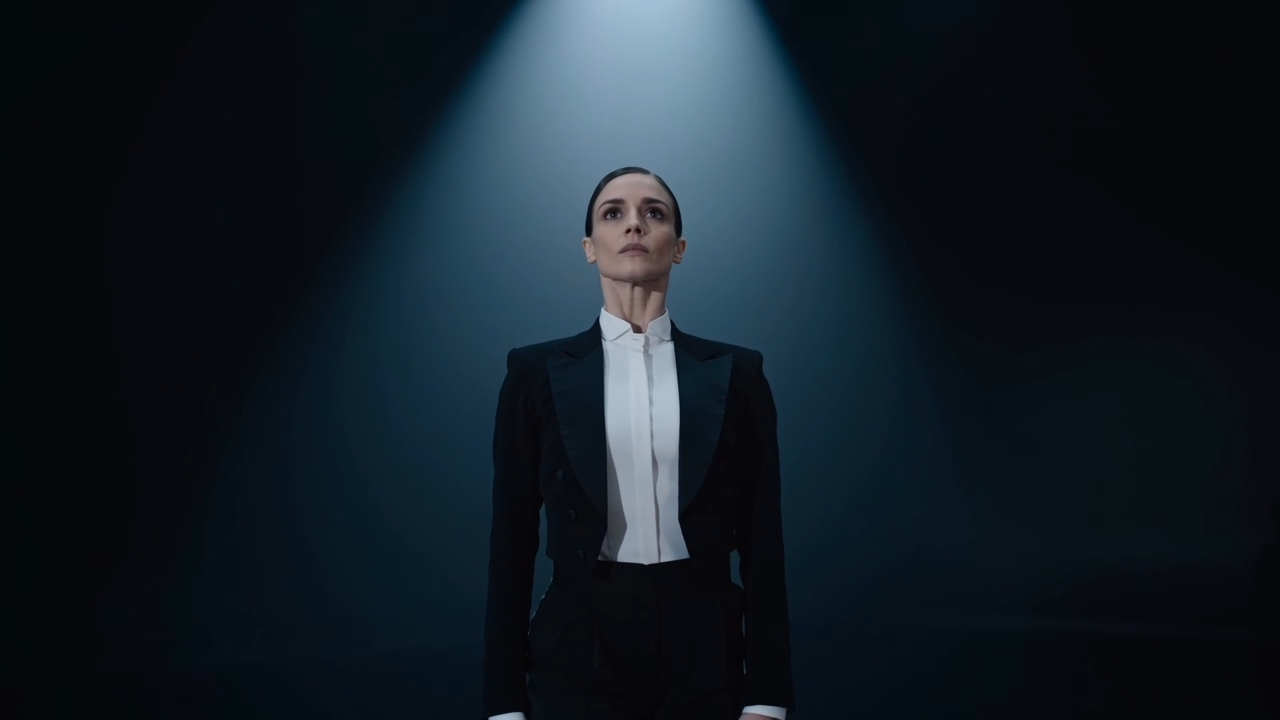
ByteDance officially launched Seedance 2.0 in China on February 12, 2026. The multimodal model accepts text, images, audio, and video as inputs and generates cinematic quality footage. ByteDance pitched it at professional film, ecommerce, and advertising markets.
Within hours, a viral video of Brad Pitt and Tom Cruise in a rooftop fight circulated across social media. Irish director Ruairi Robinson posted the clip to X, noting he created it with a two line prompt. It accumulated millions of views and set off a coordinated legal assault from Hollywood. The initial MPA condemnation landed the same week.
Disney Calls It a Pirated Library
Disney sent the first cease and desist letter on February 13. The studio accused ByteDance of packaging Seedance with "a pirated library of Disney's copyrighted characters from Star Wars, Marvel, and other Disney franchises, as if Disney's coveted intellectual property were free public domain clip art."
Disney's letter framed the infringement not as accidental misuse by individual users but as a deliberate product decision by ByteDance. The studio demanded ByteDance stop training on Disney IP and block the generation of content featuring its characters. Deadline described the language in the letter as claiming "willful, pervasive" infringement.
The Human Artistry Campaign called the situation "stealing" and "an assault on every creator." Disney had previously taken the opposite route with OpenAI, signing a licensing deal that brought more than 200 characters to Sora. That Disney and OpenAI arrangement became a model for studio cooperation with AI platforms.
Warner Bros. Gets Personal
Warner Bros. Discovery joined on February 18. The studio's letter, written by WBD legal chief Wayne M. Smith, went directly to ByteDance Global General Counsel John Rogovin. Rogovin had previously held the same position at Warner Bros. before leaving in 2022.
Smith accused ByteDance of "blatant infringement" of DC characters including Batman and Superman, as well as Game of Thrones. He argued that users were not to blame. They are "merely building on the foundation of infringement already laid by ByteDance", he wrote, because the model arrives already loaded with Warner Bros. Discovery characters. Smith called that "a deliberate design choice by ByteDance".
WBD demanded ByteDance stop training on studio content, disclose its training materials, and block users from sharing videos featuring copyrighted characters.
The Industry Closes Ranks
Paramount Skydance, Netflix, and Sony Pictures all sent separate legal threats in the same period. The MPA, representing the major studios collectively, sent what it described as its first cease and desist letter to a major generative AI company, on February 20.
MPA Chairman and CEO Charles Rivkin had already stated that Seedance 2.0 "engaged in unauthorized use of U.S. copyrighted works on a massive scale." The formal letter sharpened that language. The MPA wrote that "the scale and consistency of these results demonstrate systemic infringement rather than inadvertence." Its conclusion: "Seedance's copyright infringement is a feature, not a bug."
The MPA specifically rejected ByteDance's public statements about improving protections. "At this point we need far more than general statements," the letter stated. Ongoing investigations, the association said, continued to surface new infringing content across franchises including Spider-Man, Transformers, and Stranger Things.
ByteDance's Response
ByteDance told the BBC it was "taking steps to strengthen current safeguards as we work to prevent the unauthorised use of intellectual property and likeness by users." The company said its legal team was working to identify and resolve potential legal issues, and engineers were adding safeguards to prevent further IP violations.
ByteDance had already suspended the voice cloning feature in early February after a separate wave of privacy concerns. That feature allowed users to generate matching voices from a single facial photo. The full launch suspension is a broader step.
A Different Path Than OpenAI
The contrast with OpenAI is direct. When the MPA criticized Sora, OpenAI responded with negotiations rather than public statements. That process led to a licensing deal with Disney covering more than 200 characters. ByteDance has not announced any licensing discussions with studios.
The European Parliament voted in March 2026 to require AI companies to disclose training data and compensate rights holders. That legislation, detailed in our EU copyright AI breakdown, adds regulatory pressure beyond the U.S. market that ByteDance will face if it resumes its international expansion push.
Kling as an Alternative While You Wait
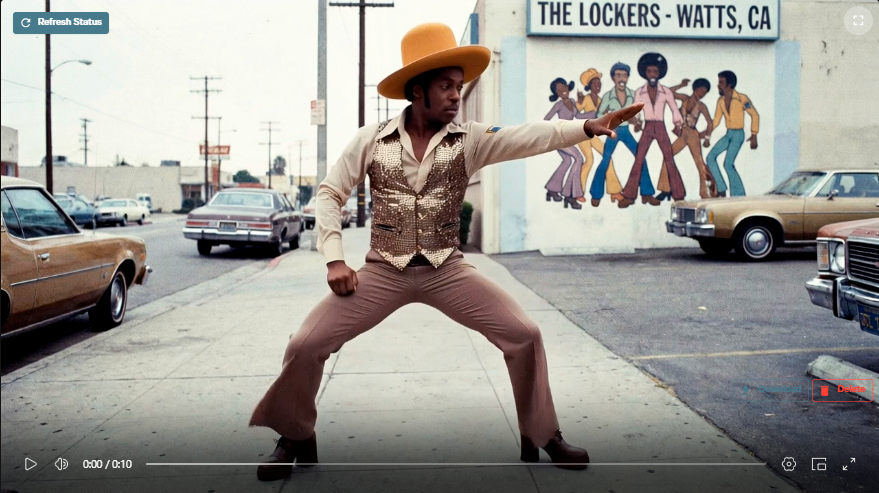
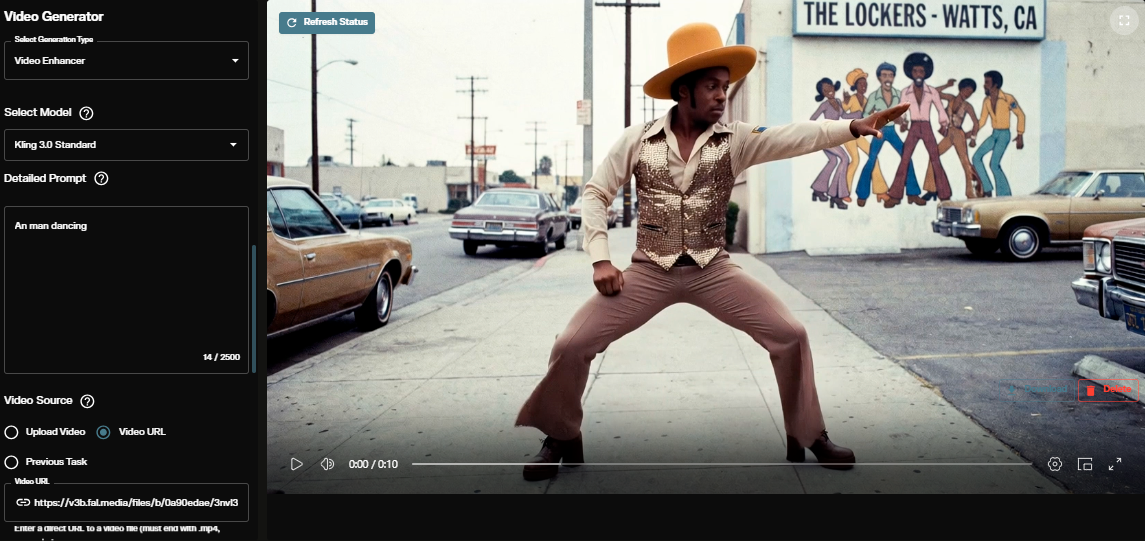
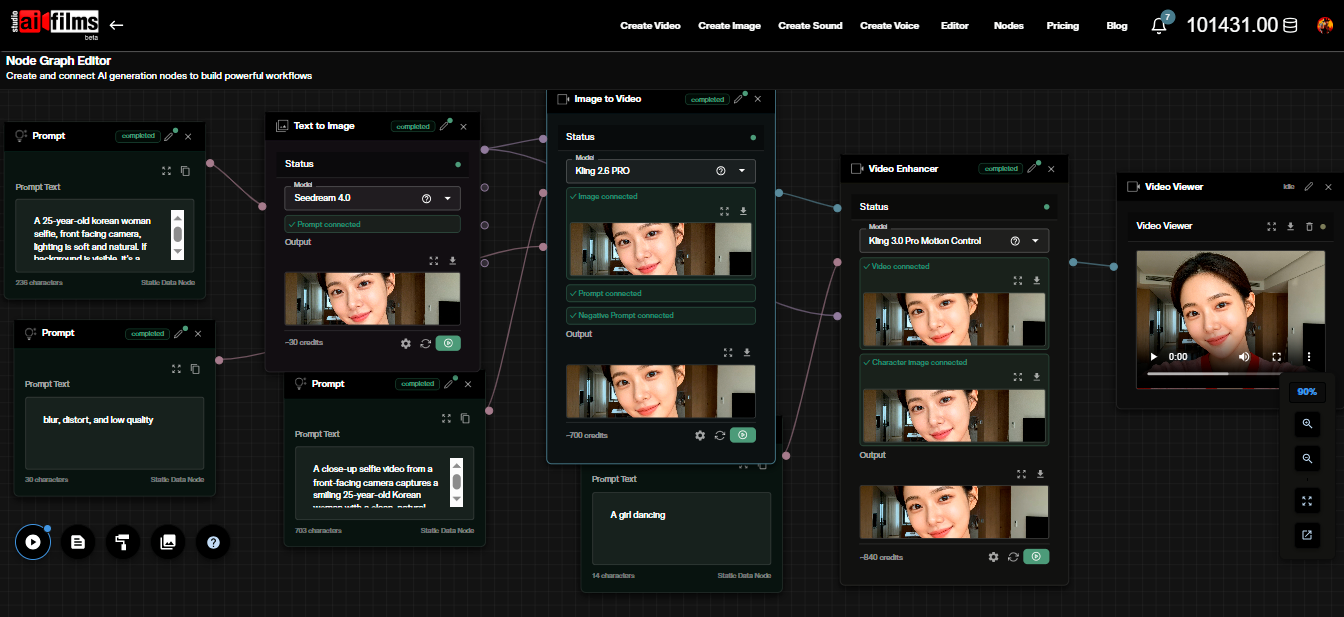
Seedance 2.0 remains available in China through ByteDance's Volcano Engine platform. A global commercial release with full legal clarity is not on the immediate horizon. For filmmakers who want cinematic quality AI video now, Kling 3.0 is fully available on AI FILMS Studio and delivers comparable output.
How the Dispute Ended
The halt described above was the middle of the story rather than the end of it. Five months later the two sides signed a framework instead of exchanging more letters.
On August 17, 2026 the Motion Picture Association and ByteDance announced a memorandum of understanding. It covers Seedance and Seedream across TikTok, the TikTok U.S. joint venture, CapCut and Dreamina. MPA Chairman and CEO Charles Rivkin described the preceding period as "constructive engagement with ByteDance to implement meaningful guardrails on Seedance and Seedream".
ByteDance General Counsel John Rogovin signed for the other side. He is the same executive who received the Warner Bros. Discovery letter described earlier in this article, and he held the general counsel role at Warner Bros. until 2022.
The agreement is voluntary and carries no licensing component. Studios receive no payment for their catalogues under it. Reporting in August 2026 noted that training data liability remains a question for the courts, so the memorandum settles the guardrails argument rather than the underlying copyright claim.
Two model versions came out of that process. Seedream 5.0 Pro and Seedance 2.5 replaced the versions named in the February letter, and the MPA describes both as carrying the stronger safeguards. The full agreement story covers what the framework does and what it leaves open.
The Timeline in One Place
| Date | What happened |
|---|---|
| February 11, 2026 | A Seedance 2.0 clip of Tom Cruise and Brad Pitt fighting on a rooftop goes viral |
| February 13, 2026 | Disney sends the first cease and desist letter |
| February 18, 2026 | Warner Bros. Discovery follows |
| February 20, 2026 | The MPA sends its own letter, the first it had sent to a major generative AI company |
| March 15, 2026 | ByteDance halts the global rollout of Seedance 2.0 |
| April 14, 2026 | Rivkin tells CinemaCon that AI can bolster storytelling inside enforced copyright |
| August 17, 2026 | The MPA and ByteDance sign a memorandum of understanding |
Six months separate the first letter from the signature. That is fast for a copyright dispute involving six studios and a model developer on another continent.
The pattern is worth noting for anyone tracking the next dispute of this kind. Public condemnation came first, a coordinated set of letters followed, the product launch stopped, and a negotiated framework arrived once both sides had something to lose. No court ruling was involved at any point.
What It Means for Filmmakers
The studios are no longer reacting to individual viral clips. They are building legal frameworks. From cease and desist letters to Congressional lobbying to the MPA's new posture toward AI companies, the industry has set a clear position: AI training on copyrighted content requires consent and compensation.
For independent filmmakers, that shift matters. Tools built on unlicensed training data carry legal and reputational risk. The Seedance 2.0 situation is a live example of what happens when a model launches without resolving those questions first. California's digital replica law and ongoing guild negotiations pushed by advocates like Joseph Gordon-Levitt are raising the same bar across the U.S.
Sources
The Information | Engadget | Deadline | Variety | The Hollywood Reporter | Axios | CNBC | NBC News | BBC | AP
Continue Reading


.jpg)
Video & LipSync
- Video Generator
- Text to Video
- Image to Video
- Start-End Frame to Video
- Draw to Video
- Motion Control
- Video Enhancer
- Video Upscaler
- Video Extend
- Video to Video LipSync
- Audio to Video LipSync
- Image to Video LipSync
- Video FaceSwap
- Seedance 2.5
- WAN 3.0
- Seedance 2
- FLUX 3
- Minimax H3
- Vidu Q3 Pro
- Grok Imagine Video 1.5
- Gemini Omni
- Google Veo 3.1
- Kling 3.0 Pro
- Luma Ray 3.2
- LTX 2.3
- Happy Horse 1.1
- Kling 3.0 Motion
- ByteDance Upscaler
- InfiniteTalk
- InsightFace
Image & Edit
- AI Character
- AI Actor
- Art Generator
- Text to Image
- Image to Image
- LoRA Image to Image
- Draw to Edit
- Image LoRA Training
- Remove Background
- Image Enhancer
- MidJourney 8.0
- Krea 2
- OpenAI GPT Image 2.0
- Nano Banana Pro Ultra
- Nano Banana 2 Lite
- Nano Banana Pro
- Minimax Image
- Clarity Pro
- Z-Image Turbo LoRA
- Krea 2 Turbo LoRA
- Z-Image LoRA Trainer
- Qwen Image LoRA Trainer
- Background Erase Network 2 (BEN2)