
Guillermo del Toro: "We Are on the Verge of Cinema Illiteracy"

Share this post:
Guillermo del Toro: "We Are on the Verge of Cinema Illiteracy"
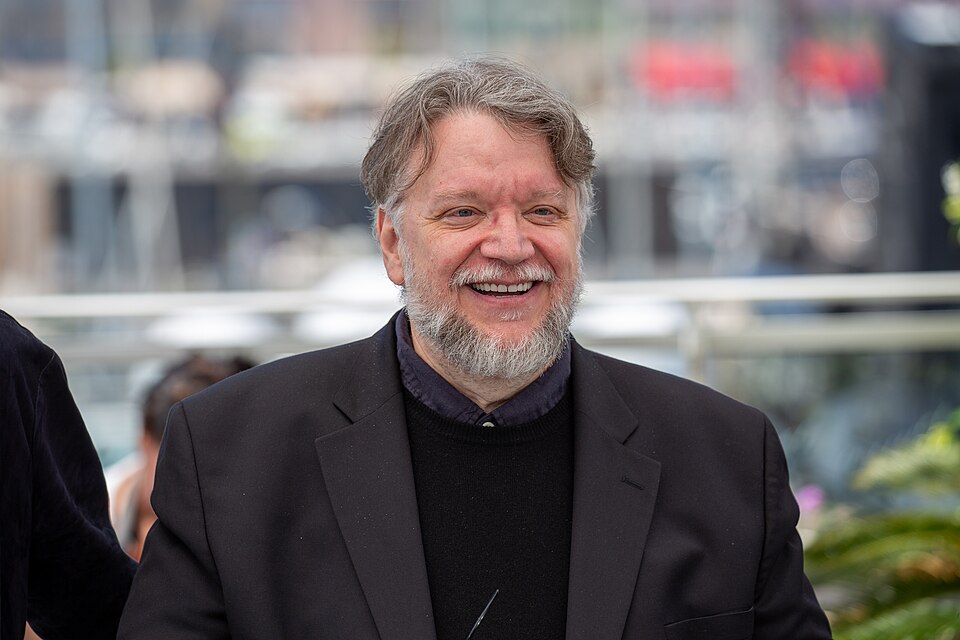
At a BFI America dinner in Hollywood on June 15, Guillermo del Toro told an audience that included Leonardo DiCaprio, Jon Favreau, and Michael Mann that the film industry is approaching a cultural emergency. "We are on the verge of image illiteracy. We are on the verge of cinema illiteracy", he said.
The dinner at Mother Wolf restaurant was held in del Toro's honor as a newly named BFI Fellow. Ted Sarandos, co-CEO of Netflix, gave the introduction. Del Toro described AI as "natural stupidity" and framed the moment as a collective test: "Right now, the bus is so close to a cliff, we all have to lean to the right side".
The "cinema illiteracy" framing is precise. Del Toro is describing the erosion of visual literacy: the learned capacity to read an image, to feel the weight of a compositional choice, to recognize that a filmmaker placed something in the frame with intention. He argued that sustained exposure to AI generated imagery, produced without that intentionality, degrades the audience's ability to recognize it when it is present.
The "bus" metaphor was not rhetorical decoration. Del Toro used it to describe a collective responsibility. The industry is moving toward something he considers dangerous, and stopping it requires the people in that room to shift their weight. He framed the choice as available, not inevitable.
The Argument Against "Natural Stupidity"
Del Toro's position is more specific than a general rejection of AI. His concern is not primarily about labor displacement or the replacement of filmmakers. It is about what happens to audiences.
"The pact between man and image is sacred", he said. Cinema's power depends on viewers who have been trained to read images: to feel their weight, to recognize that a carefully composed frame carries a claim about the world. The mass production of AI generated imagery, in his view, breaks that pact. It trains audiences to treat images as disposable and generated rather than intentional and earned.
The phrase "natural stupidity" inverts the core promise of artificial intelligence. Where AI is marketed as an amplifier of human capability, del Toro argues its effect on visual culture runs the other direction: a degradation of the capacity to see, to interpret, and to care about what an image means.
The argument also separates his position from the labor debates that have dominated Hollywood's public AI discussion. SAG-AFTRA and the WGA have focused on consent, compensation, and the unauthorized use of likenesses and voices. Del Toro is making a different claim: that even consensual, fairly compensated AI image generation harms the culture, because the damage is to the viewer, not the worker.
His concern is not that filmmakers will lose work. It is that audiences will lose the ability to care whether a filmmaker did the work or not. That distinction shapes what he is asking for and who he is asking it of.
Visual literacy is trained through exposure to cinema made by human beings who have something at stake in each image. Del Toro's argument is that a culture saturated with AI generated imagery cannot produce viewers capable of engaging with cinema at the level cinema requires. The pact he describes is between filmmaker and audience. AI, in his framing, does not break the filmmaker's half of that pact. It breaks the audience's capacity to hold up their side.
The phrase "cinema illiteracy" is del Toro's diagnosis, not a prediction. He is not describing what will happen if the industry continues on its current path. He is describing something he believes is already beginning.
The framing separates his position from nostalgia. He is not defending film over digital, practical effects over CGI, or any earlier technological baseline. He is making a specific claim about a specific mechanism: that the mass generation of AI imagery trains audiences to not look carefully at images. That the habit of seeing gets replaced by the habit of consuming.
Whether that mechanism takes hold is something cinema scholars and audience researchers will work through over years. Del Toro is not waiting for the data. He is arguing from what he has observed in audiences across decades of making films and watching them respond.
His argument also implies that the problem cannot be solved by disclosure alone. Telling an audience that a film uses AI generated imagery does not restore the visual engagement that the proliferation of such imagery has degraded. The pact he describes is not renegotiated by a label. It is built or broken by the cumulative experience of watching.
The Dinner at Mother Wolf
The event was organized by BFI America, the American arm of the British Film Institute, at Mother Wolf restaurant in Hollywood. Beyond Sarandos, the room included Warner Bros. CEO Pam Abdy, Netflix content chief Bela Bajaria, Warner Bros. Chairman Dan Lin, and former studio head Sherry Lansing alongside the directors.
Several people present represent companies actively investing in AI production tools. Lionsgate announced an equity stake in an AI video platform the same week, projecting tens of millions in annual savings. Del Toro's warning landed directly in front of the people placing that bet.
Jon Favreau, also present at the dinner, has previously described AI as a tool worth engaging carefully rather than rejecting. The distance between his position and del Toro's maps the range of opinion among Hollywood's most senior filmmakers. Both of them were in the same room on June 15.
Sarandos's role as introducer gave the evening its specific tension. He runs a platform that has deployed AI dubbing across multiple languages and that has discussed AI's role in content cost reduction publicly. He introduced the filmmaker who described that direction as "natural stupidity".
Warner Bros. Chairman Dan Lin and Netflix content chief Bela Bajaria represent two of the major companies most actively developing AI tools for production and development. Del Toro made his argument directly to the people building what he was arguing against, and he did not soften it.
Former studio head Sherry Lansing, who ran Paramount Pictures through much of the 1990s, was also present. Her career predates digital CGI as a production standard. That she was in the same room as executives building AI production infrastructure reflects how deep the industry's generational stakes in this conversation run.
The room on June 15 held the industry's full current range on AI at once: from the filmmaker who says he would rather die than use it, to the executives deploying it in production pipelines, to the director who has described it as worth engaging carefully. Del Toro made his argument into that range, without adjusting his position for any part of it.
The Phrase That Traveled
The dinner at Mother Wolf was a private industry gathering. Del Toro's statements were not broadcast. Variety's coverage, published within hours, was the first public record of what he said. The phrases traveled from there across entertainment press within 24 hours.
"Cinema illiteracy" and "natural stupidity" are quotable in a way most director statements on AI are not. They are concrete and reversible. Most director criticism of AI in 2026 stays at the level of concern or caution. Del Toro named something specific: a diagnosable condition with a direction of travel.
The speech emerged from a private room with no cameras. That it spread as widely as it did reflects how closely the industry is watching del Toro on this question. His two Oscar wins give his cultural arguments a credibility in the industry that the same argument from a critic would not carry.
The BFI Fellowship
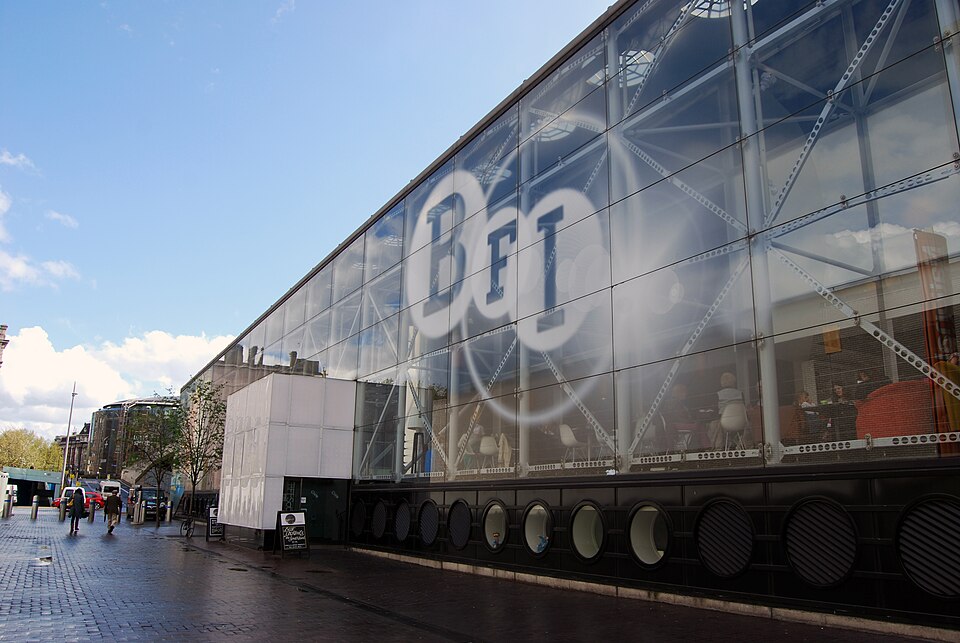
The BFI Fellowship is the highest honor the British Film Institute awards, reserved for figures whose contribution to cinema is considered generational. Past recipients include Steven Spielberg, Martin Scorsese, Francis Ford Coppola, and Stanley Kubrick. Del Toro received the award at a BFI ceremony in London earlier in 2026, with Cate Blanchett presenting.
The Hollywood dinner at Mother Wolf was the American celebration of that distinction. That it drew studio heads, streaming executives, and major directors reflects both del Toro's standing in the industry and how carefully those rooms are listening to him, even when moving in a different direction.
The Fellows list is small. The BFI has awarded the Fellowship to approximately 50 people since 1983, including Orson Welles, Alfred Hitchcock (posthumously), Stanley Kubrick, Martin Scorsese, and Christopher Nolan. Del Toro joins a list defined by career-defining bodies of work rather than single achievements.
BFI America operates as the institute's bridge to the American industry, hosting events in Los Angeles and New York. The Hollywood dinner draws figures who do not typically travel to London for BFI events. Their presence in June 2026 reflects both del Toro's standing and how closely the industry is tracking his position on AI specifically.
Del Toro is one of the few filmmakers on the Fellows list who is still actively working on major productions. His "Frankenstein" adaptation is in development. The Fellowship was awarded to a filmmaker with current work at stake, not one looking back at a completed body of work, which gives his June 15 statements a different register than a valediction.
A Position Two Years in the Making
In October 2025, del Toro told Deadline he would "rather die" than use AI in his films. The June 15 statement is more developed. It has moved from a personal artistic refusal to a philosophical argument about what cinema becomes when images lose meaning at scale.
The bus metaphor is collective. Del Toro is not describing an individual creative choice. He is calling for an industry wide course correction, and he made that argument in front of the people with the most power to execute it. His earlier statements at Cannes this year framed the same concern through the lens of Pan's Labyrinth's resistance themes. The Hollywood dinner concentrated and sharpened that argument.
The three public statements from January through June 2026 each escalated in register and audience. The NPR interview in January was personal: his own practice, his own films. The Cannes Classics speech in May was directed at the industry and the festival audience. The BFI dinner statement in June was made in a room of specific decision-makers. Each step brought his argument closer to the people it was about.
What shifted from October 2025 to June 2026 is the register of the argument. "Rather die" is a personal statement about one filmmaker's practice. "We are on the verge of cinema illiteracy" is a diagnosis of a cultural condition that extends beyond any individual refusal.
Del Toro's two Oscar wins and six nominations give him specific institutional standing in rooms like the June 15 dinner. His authority is earned through the work. A filmmaker with that record and a BFI Fellowship describing a cultural emergency carries more weight than the same argument from outside the institution.
The Week His Speech Landed
Emily Blunt's Disclosure Day, a film that disclosed AI assisted production in its marketing, opened globally to $93 million the same week. The industry's financial momentum runs directly counter to what del Toro described as an emergency.
That gap between the warning and the direction of the money is, in del Toro's own framing, the whole problem. The call was not to stop everything. It was for the people in that room to lean, collectively, away from the cliff. Several of them are currently running toward it.
The Lionsgate equity announcement the same week put specific numbers on the industry's direction: a stake in an AI video platform with projected savings of tens of millions annually. Del Toro did not name Lionsgate. He did not need to. The executives in the room were reading the same trades he was.
Jon Favreau's CBS Sunday Morning interview also ran that week. His "healthy concern" represents the measured position in a debate where del Toro holds the alarm. Both men attended the same dinner on June 15. The distance between their public tones that week is the distance the industry has not closed.
Tom Holland took a different tack the same evening, arguing on Spain's El Hormiguero that creativity is safe from AI because it "has to do with the human experience".
The dinner was organized to celebrate a BFI Fellowship. It became a story about AI in cinema. The distance between those two outcomes reflects how central the AI question has become to the industry's sense of itself in 2026.
Del Toro's argument stands apart from the labor and consent debates that have driven most of Hollywood's public AI conversation. What he is arguing is not that AI is wrong to use. He is arguing that using it at scale changes what audiences are able to do with cinema. The argument asks for something harder than a contract clause: a cultural decision about what kind of viewing audience the industry wants to build.
The dinner took place on a Monday. Major entertainment trades covered del Toro's statements the following morning. The phrases traveled from a private room to public record in under 24 hours.
In July 2026, del Toro brought the argument to a third venue. At San Diego Comic-Con, he confirmed that the Pan's Labyrinth 4K 3D restoration used absolutely no AI. The 3D depth mapping, the remastering, and the HDR grade were all completed by hand. The reasoning he offered moved from cultural warning to a specific argument about generational craft transmission.
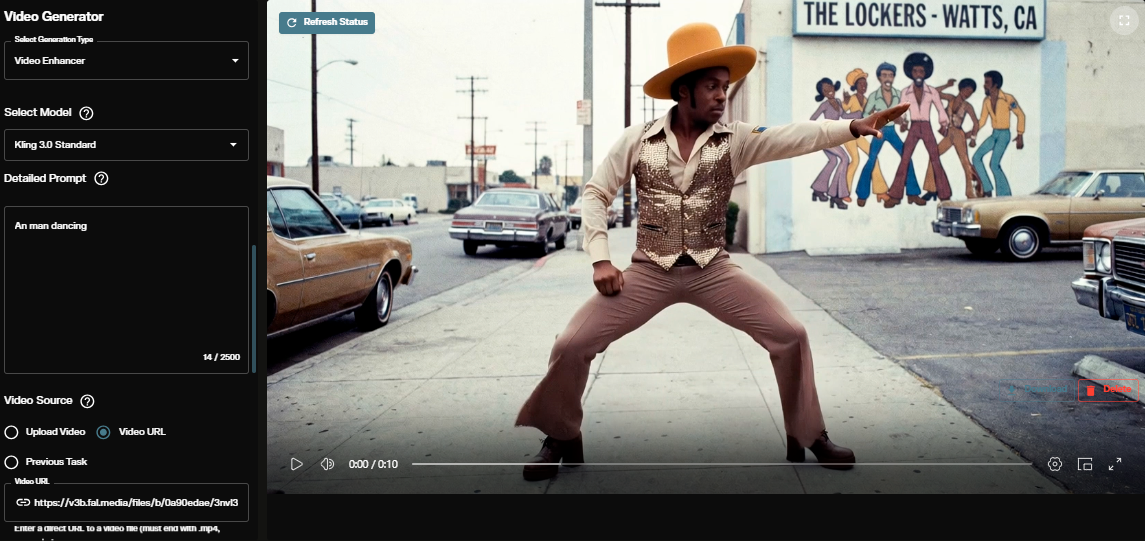
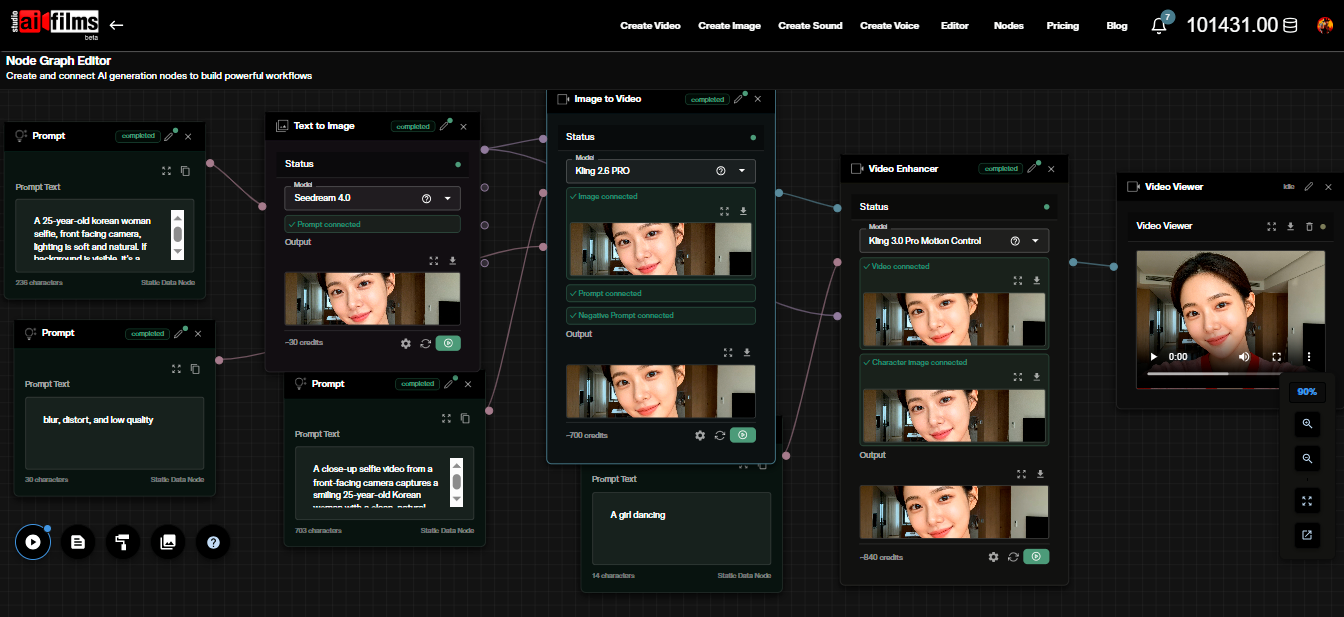
Explore AI video tools in AI FILMS Studio to see how filmmakers are approaching this balance in production.
Sources
Variety | Deadline
Continue Reading
.jpg?w=3840)


Video & LipSync
- Video Generator
- Text to Video
- Image to Video
- Start-End Frame to Video
- Draw to Video
- Motion Control
- Video Enhancer
- Video Upscaler
- Video to Video LipSync
- Audio to Video LipSync
- Image to Video LipSync
- Video FaceSwap
- Seedance 2.5
- WAN 3.0
- Seedance 2
- FLUX 3
- Minimax H3
- Vidu Q3 Pro
- Grok Imagine Video 1.5
- Gemini Omni
- Google Veo 3.1
- Kling 3.0 Pro
- Luma Ray 3.2
- LTX 2.3
- Happy Horse 1.1
- Kling 3.0 Motion
- ByteDance Upscaler
- InfiniteTalk
- InsightFace
Image & Edit
- AI Character
- AI Actor
- Art Generator
- Text to Image
- Image to Image
- LoRA Image to Image
- Draw to Edit
- Image LoRA Training
- Remove Background
- Image Enhancer
- MidJourney 8.0
- Krea 2
- OpenAI GPT Image 2.0
- Nano Banana Pro Ultra
- Nano Banana 2 Lite
- Nano Banana Pro
- Minimax Image
- Clarity Pro
- Z-Image Turbo LoRA
- Krea 2 Turbo LoRA
- Z-Image LoRA Trainer
- Qwen Image LoRA Trainer
- Background Erase Network 2 (BEN2)